Separate surface wear from deeper failure
Heat and ultraviolet exposure can dry or weaken some roofing materials over time. We look for brittle membrane, checking or cracking, exposed reinforcement, faded or powdering coating, and sealant that has lost flexibility. A single weathered patch does not establish that the whole roof has failed. We compare exposed areas with shaded sections and inspect seams where movement or loss of bond can admit water. The goal is to find whether the surface condition has reached the assembly below.
Color change can come from dirt, residue, or an older coating as well as material aging. We test the surface where appropriate and check whether the membrane still bends, bonds, and sheds water. Metal roofs need a different review: finish loss, corrosion, fastener condition, and panel movement each carry separate implications. We photograph representative details and note where a sample or test cut would change the next decision. A hands-on inspection can compare roof zones, while fire-damage assessment is useful if one area has unusual heat exposure from an incident.
Use local climate as context
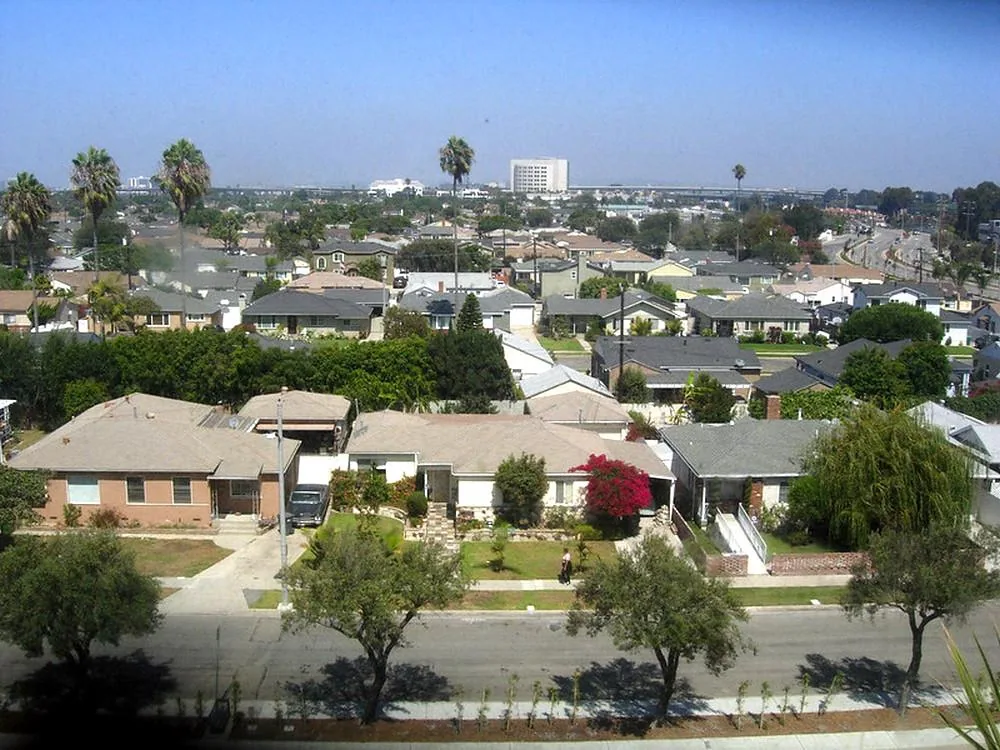
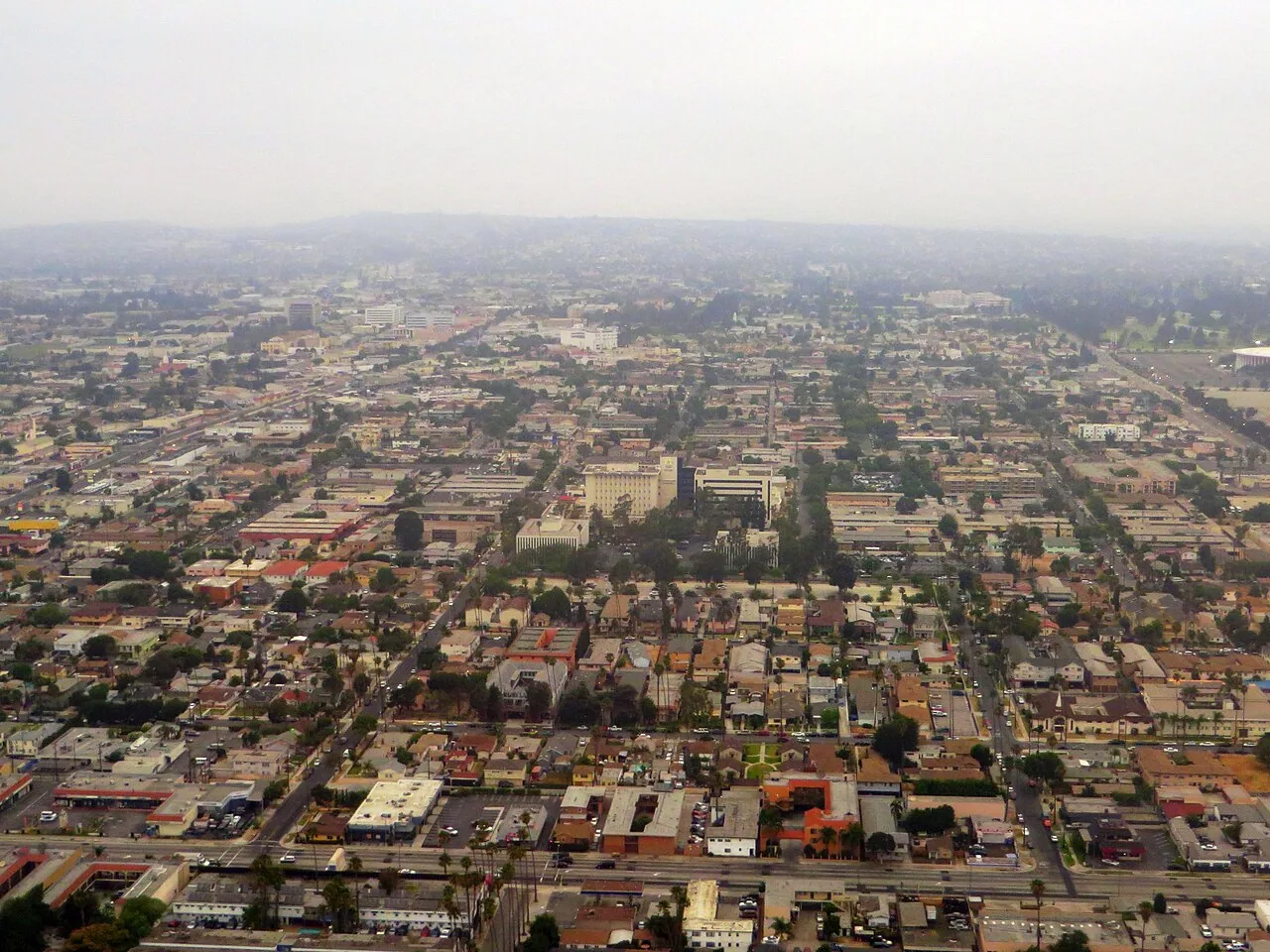
Near LAX, spring and summer daily temperature swings usually stay under 15 degrees, while most measurable rain falls in winter. Marine air and low cloud also shift over short distances along the coastal plain. Before winter rain, we check the roof field, drainage, and maintenance record at the property instead of treating one roof zone as the condition of the whole assembly.
Los Angeles regional projections point to stronger heat and shifts in dry and wet periods, so thermal exposure and precipitation both belong in long-range roof planning. Century Boulevard Commercial Corridor connects Inglewood commerce with LAX, and the Inglewood International Business Park plan maps industrial and research uses near South Prairie Avenue. A roof near those routes still needs its own check of equipment, access, shade, and drainage before we set the repair boundary. A business-park roof assessment starts with the specific assembly and work limits.
Match the repair to the roof system
Repair materials must match the existing membrane or coating. TPO, PVC, and EPDM have different surface preparation and patch requirements. Modified bitumen and built-up systems rely on compatible plies and secure tie-ins. A metal roof may need a panel or fastener repair instead of a membrane patch. We identify the system from records, cut edges, and visible details before selecting a product. If the roof has several coatings, we check their condition and adhesion rather than adding another layer by assumption.
A local repair may replace brittle membrane at a seam, rebuild a flashing, or patch a puncture where surrounding material remains sound. Coating work needs a clean, dry, compatible substrate and a functioning drain path. It cannot restore compressed insulation or change roof slope. If water is trapped below the surface, a moisture survey can help set the boundary. We may compare coating restoration with a recover option when the assembly and existing layers permit. Broader brittleness, wet insulation, or recurring seam failure can make replacement planning the better fit.
Look for rain paths and repair limits
Surface aging matters when it opens a path for water. We inspect drain bowls, scuppers, laps, curb corners, and parapet details around brittle areas. A dry summer visit can document cracks and coating loss, yet it cannot show how the roof performs during winter rain. We note where water could cross an open seam or collect at a low point. If a leak has appeared, interior stain location helps direct the inspection but does not define the roof opening by itself.
Manchester Boulevard and Prairie Avenue cross Inglewood’s mapped street network, and the Business Park plan provides an industrial setting near South Prairie Avenue. At the building, we check nearby trees, equipment screens, shade, drainage paths, and service routes before deciding how far the repair should extend. Where a surface crack follows a lap, seam repair may be required. If a curb or parapet detail has pulled apart, flashing repair can restore the connection. The repair boundary should include the damaged detail and sound material for the tie-in.
Choose a work window and record the findings
Heat, dew, surface moisture, and product cure requirements affect when coatings and membrane repairs can proceed. We check the current conditions and manufacturer instructions for the selected material, then set a safe work window. On an occupied building, we coordinate roof access, equipment clearances, tenant routes, and any interior protection before preparing the surface. If a temporary patch is needed, we mark what it protects and what permanent work remains.
The facility contact receives photographs of tested areas, repaired details, and any material left under observation. A later roof walk can compare the same locations and show whether cracks, seams, or coating edges have changed. We note the system where identified, the repair material, and any follow-up measurement needed. Our condition report can retain that record with other roof findings. A property in Hawthorne needs its own roof inspection and work plan. For urgent water entry, emergency response is available at all hours, through weekends and holidays.
Related Roofing Work