
Identify what is actually installed
We compare roof records with field marks, sheet texture, seams, patches, and flashing details. An old label may identify a product family but not a later repair or layer below it. If the membrane cannot be confirmed visually, a small sample or controlled test can answer the compatibility question. We also inspect the insulation, cover board, and attachment at representative areas. The goal is a reliable repair boundary, not a guess based on color.
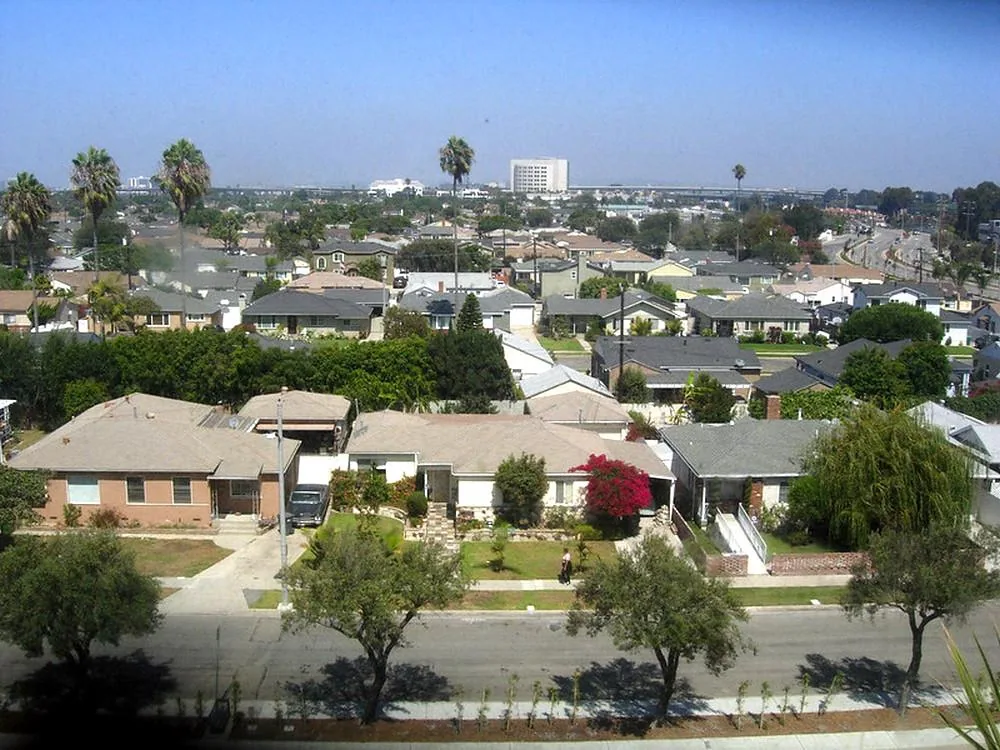
Inglewood's mapped commercial and industrial designations sit alongside mixed-use and public categories. That range can mean different roof access, mechanical equipment, and tenant schedules, but it does not establish the current use of any parcel. We ask the facility contact about exhaust, service routes, and past work. On a roof with a confirmed KEE sheet, our PVC membrane review helps compare compatible thermoplastic repairs without treating every PVC-based material as identical.
Repair only compatible material
A KEE repair begins with a clean and sound area around the defect. We remove loose or degraded material, prepare the surface according to the system requirements, and use a patch that matches the existing membrane. Welded seams need controlled heat and a test weld before production. We probe the cooled lap and check corners, transitions, and patch edges. If the membrane is contaminated or the repair product is unknown, we test before increasing the work area.
We also check patches for raised edges, trapped dirt, and changes in sheet texture that can signal an incomplete bond. If a test weld separates, we adjust preparation or temperature before work continues. The repair note identifies the material checked, the area prepared, and the result of the probe. That record helps the next roof walk distinguish a repaired seam from an untouched one.
A split near a penetration can point to movement at the curb, not only a sheet defect. We inspect the support, flashing, and nearby fasteners so the patch does not bridge a moving joint. If the issue repeats at several curbs, a broader equipment-curb review may be needed. A TPO system has its own formulation and repair details; the TPO option should be compared only after the roof layers and service exposure are known.
Account for roof use and drainage
Roof traffic, grease, chemical residue, standing water, and abrasion can affect the membrane and the details around it. We map regular service paths and check protection where staff reach equipment. A membrane may be intact away from a drain while the flange, sump, or surrounding insulation is failing. We record each condition separately, then connect it to an action. Cleaning a drain, rebuilding a flashing, and replacing wet insulation are different pieces of work.
Inglewood's coastal plain sees measurable rain concentrated in the cooler months, while summer months commonly have only traces. That timing makes outlet and transition checks useful before the wet season; a roof walk confirms conditions at the building. We check the roof after access is safe and look for the actual low points. When the outlet is involved, drain and scupper repairs can be included with the membrane work.
Set the system boundary
A local repair is appropriate when the field remains secure, insulation is dry, and failures are limited. Recover may be considered when the existing assembly is compatible, well attached, and suitable for an additional layer. Widespread wet insulation, weak deck attachment, or recurring seam openings may call for tear-off. We identify what testing remains, describe the boundary, and list the metal, drain, and curb transitions that need attention. Marking the retained field and replacement limits keeps the KEE proposal tied to the membrane and transitions that will actually change.
A KEE replacement or recover needs a project-specific code check. State guidance puts the 2025 standards into general use for permit filings on or after January 1, 2026, though local application dates can differ. We confirm the Inglewood review path before specifying the assembly. We flag those project-specific checks before the assembly is finalized. If operations continue below, our occupied-building sequence can set daily work areas and access windows. A condition report can also support a roof condition record for capital review.
Close each day's exposure
Installation starts with the approved substrate and assembly details. We place insulation and cover board to the specified layout, position sheets to keep laps accessible, and set attachment or adhesive according to the system design. A crew makes a test weld, adjusts settings, and inspects production seams as work advances. Corners, penetrations, drains, and perimeters receive formed details compatible with the selected membrane. At each shift's end, the open roof is closed against weather and loose materials are secured.
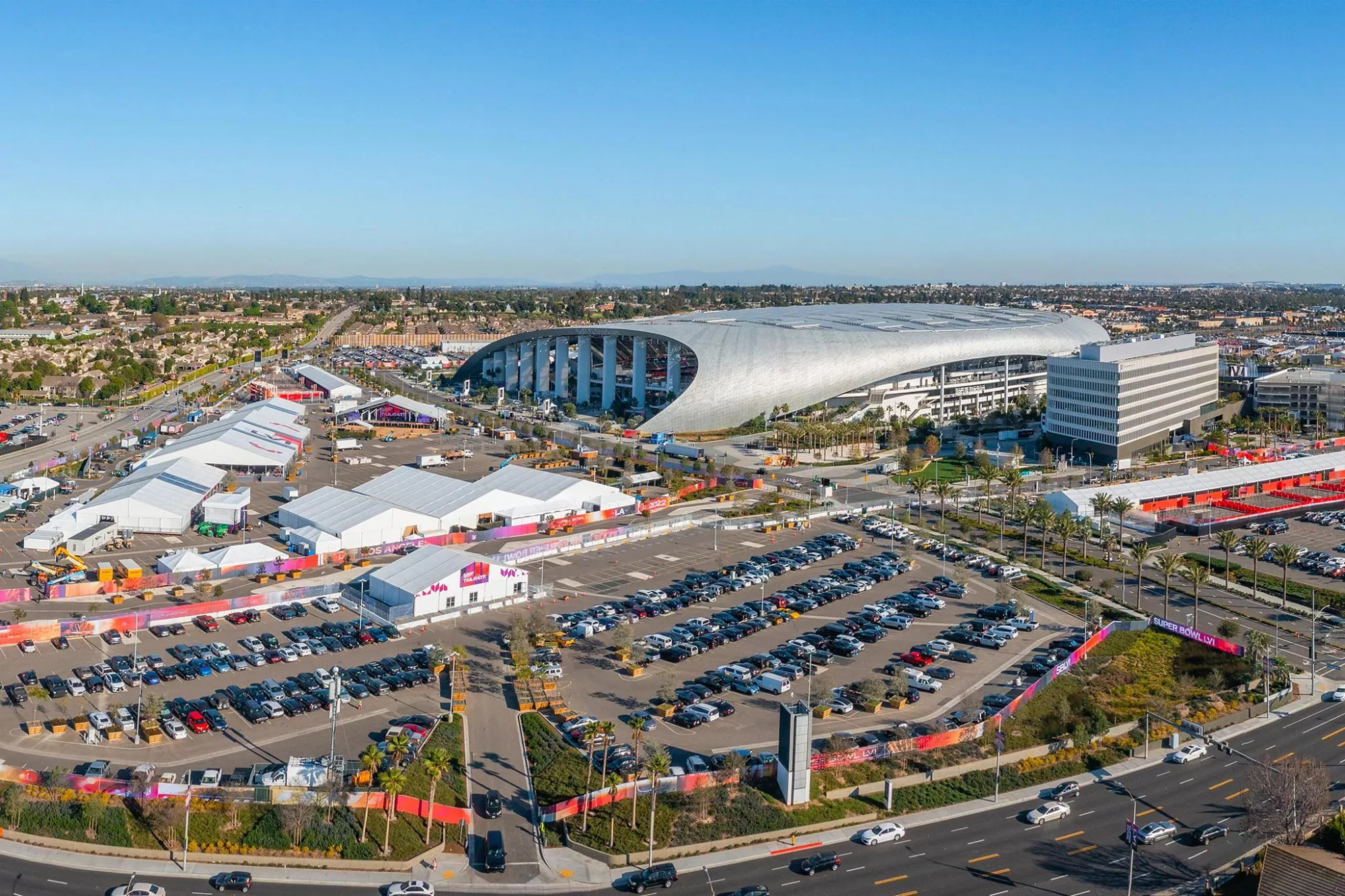
Spring and summer daily temperature ranges on the nearby coastal plain are smaller than many inland ranges, while installation still depends on the actual surface, humidity, and conditions at the work area. We do not carry a setting from another job without testing. Century Boulevard is a busy commercial corridor connecting directly with Los Angeles International Airport; material access still needs to be planned for the specific property. A Culver City roof project requires its own staging review, as does a building near Century Boulevard.
Related Roofing Work