
Protect loading and stored goods
A leak over a dock can affect cartons, conveyors, staging lanes, or electrical equipment. We ask which door or rack is involved, when the water appeared, and whether the symptom follows rain or equipment use. On the roof, we inspect seams, penetrations, drain bowls, and edge transitions above the area. The written scope maps the opening and calls out where temporary protection or a short pause in receiving may be needed. A distribution roof inspection can keep those operating questions tied to the actual building.
For truck dispatch, distinguish the Inglewood International Business Park plan boundary from the Century Boulevard Commercial Corridor. Both are map references; site operations confirm the current use, actual dock, and permitted delivery entrance. We verify the facility contact, roof access route, receiving hours, and security procedure. A Business Park route review can help group local visits while leaving each address with its own roof record and access plan.
Find where the water entered
A wet pallet or ceiling tile can sit several feet from the roof opening. We inspect the likely route across membrane seams, curbs, pipe boots, drains, and wall edges. A clear split or failed flashing can support a local repair. A larger damp area or repeated report may need a moisture survey or test opening before we set the final repair boundary. The leak repair scope identifies what is confirmed and what evidence would justify expanding the work.
The nearby LAX station report places most measurable rainfall in the cool part of the year, while midsummer days usually bring only traces. A dry-day walk is still useful for checking drain bowls and scuppers, but it cannot show their performance under winter runoff. We photograph low points and identify debris, separated joints, or ponding where found. For suspect insulation, an infrared survey can direct selective verification rather than treating a surface temperature pattern as a final diagnosis.
Plan around rooftop and yard movement
Fans, refrigeration lines, conduit, and exhausts occupy roof routes that a repair crew may need to cross. We note access clearances, identify service paths, and coordinate with the maintenance contact before moving materials near a unit. If another trade has scheduled roof work, we confirm which party restores each flashing and membrane transition. That assignment matters at a curb or pipe where equipment vibration or later service could disturb a new repair.
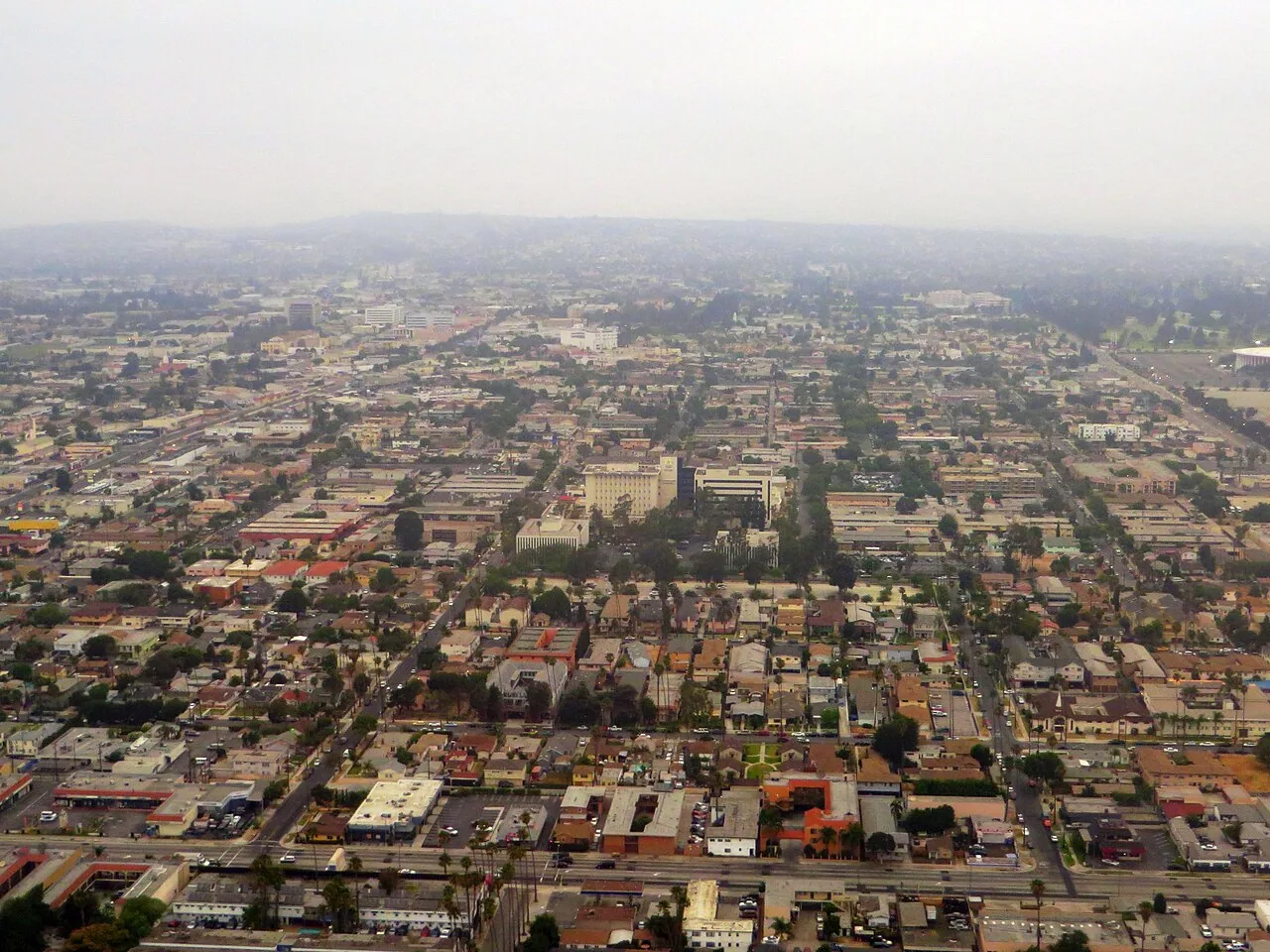
A curb and support inspection can document the roof interface and any visible attachment concern. At grade, the crew also needs a staging area that does not block trailers, fire lanes, or pedestrian routes. We confirm where a lift or disposal container can stand and when a dock must remain clear. Century Boulevard, Manchester Boulevard, and I-405 help orient the wider area; the shipping desk confirms the actual entrance and truck route for the property.
Keep dispatch informed
A workable scope states when crews arrive, where they enter, which doors or aisles are affected, and the expected dry-in point each day. We can isolate one roof zone at a time, protect the building, and schedule loud operations outside a critical receiving period when the roof allows that approach. A field change goes to the named contact before work expands. The occupied-site sequence connects roof zones with yard access, inventory protection, and dispatch notice.
For a multi-site operator, one visit may cover several buildings, but the work order should preserve a separate finding for each roof. We record the assembly, drain layout, access restrictions, open repairs, and follow-up date by address. A manufacturing facility review may also help when a logistics property shares equipment or production access with a plant. The operating plan should reflect that site's actual use and schedule rather than carrying assumptions from a neighboring building.
Set priorities across the network
Priority follows the risk to inventory and service, the roof condition, and the time available to correct it. A confirmed opening above a high-value storage zone may need immediate protection. A stable repair item can be scheduled with other work, while broad moisture evidence may require testing before any replacement quantity is set. We compare repair, restoration, and replacement based on membrane condition, wet insulation, deck details, equipment handling, disposal, access, and how long each zone can be exposed. A replacement review can make those decision points visible.
A large reroof needs an early permit check: the City handles plan review, permits, and inspections, and the applicable state code can follow the application date. We ask the owner to confirm those project requirements before dispatch reserves a long closure window. A roof capital schedule can order work by operating consequence, readiness, and funding date. The record should show the evidence at each property and keep unknown conditions from being reported as resolved.
Related Roofing Work