Leak path: connect the interior bay to a roof detail
We mark the bay or aisle where water appears and compare it with the roof grid or field sketch. A drip above a conveyor may come from a seam, drain, curb, skylight, or wall transition several feet away. Moisture may move laterally between roof layers and emerge away from its entry point. We photograph the suspected entry point and the route nearby, then note whether a test or added access is needed before assigning a permanent repair.
A commercial roof inspection should identify observed conditions and what remains hidden. We check drain bowls, overflow routes, penetrations, and previous patches in the affected zone. If the facility is shipping through the work area, we identify stock, electrical equipment, and pedestrian paths that need protection. A location map lets the operations lead compare the roof finding to the interior report without stopping the entire floor.
Throughput and access: set a roof window that fits the floor
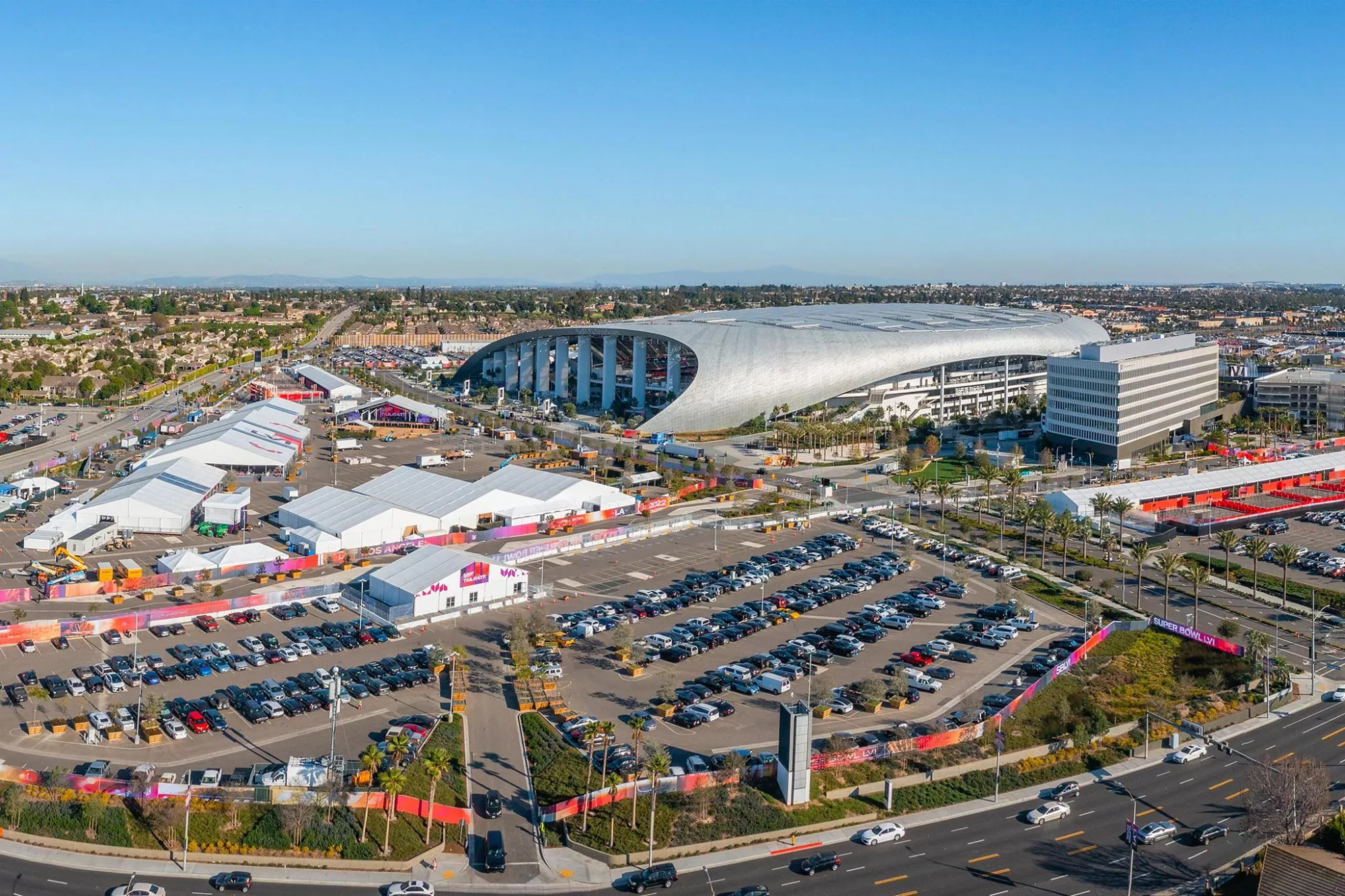
Before mobilization, confirm the receiving hours, gate procedures, vehicle limits, lift point, material drop, and roof hatch or ladder. Regional access routes around Century Boulevard do not decide how a truck enters a private lot. The property contact does. We build the sequence around the approved route and the area that can be isolated below. If a line or loading bay cannot pause, the scope identifies its protection and the roof section that can be completed without crossing that operation.
Manchester Boulevard and Prairie Avenue provide local orientation near Century Boulevard. We confirm the delivery route at the parcel before scheduling materials or equipment. An occupied-facility sequence states the daily work zone, dry-in edge, noise or access limits, and the person who can approve changes. This avoids treating every shift as equally available for roof work.
Roof assembly: verify what the field can accept
Distribution buildings can have original roofing, additions, and repairs from different periods. We identify the visible membrane at an edge or detail and compare it with prior records. A patch needs a clean, compatible surface with stable material around it. Color alone is not enough to select a weld or adhesive. We check attachment, seam condition, insulation transitions, and the flashing at curbs before deciding whether the defect is local or part of a wider assembly issue.
A membrane system review should include the existing field and transition details, not just the material name. If moisture readings or a selective opening show wet insulation, we map its extent before pricing recovery or replacement. A moisture survey may help select test locations, but the repair scope still depends on confirmed conditions. The record separates visible damage from quantities that remain an allowance. If the roof plan uses an old bay label, we reconcile the drawing with a field mark before opening a test area. That step keeps the repair limit, estimate, and closeout map tied to the same location.
Drainage: protect the work area from a second water path
We check the drain bowl, strainer, overflow, low area, and seams feeding the outlet. A blocked drain can send water across a roof field, while a failed flashing can leak even when the bowl is clear. The report notes what was observed that day and what came from a prior storm report. If the deck or insulation has shifted, a surface patch may not correct the route. We identify the test or repair that would answer that question.
Inglewood's nearby LAX station records marine air and a winter rainfall pattern, useful context when planning a drainage follow-up before wet weather. It does not measure a specific distribution roof. A drain and overflow review records the condition of each outlet and any maintenance limit. We protect the affected interior bay while the owner chooses a repair, then confirm that the daily dry-in plan leaves no open transition at shift end.
Scope options: price the confirmed zones and unknowns separately
A local repair fits when the opening is identified and the surrounding membrane, insulation, and attachment remain sound. Repeated leaks across bays, wet material in separate zones, loose edges, or failing seams can justify comparing restoration with replacement. We show which area is confirmed, what test may change the quantity, and which adjacent details remain for monitoring. That gives the facility team an option table tied to actual conditions.
Coating restoration requires compatible material, dry and stable substrate, preparation, and sound transitions. A replacement scope should state removal or recovery, insulation, drainage, penetrations, and sequencing assumptions. Cost and timing can change with access, stock protection, work hours, material handling, and hidden deck conditions. We separate those drivers so a low initial repair price is not compared with a broader replacement that includes different work.
Related Roofing Work