
Keep the roof scope tied to production
A leak above a control area, a finished-goods zone, or a maintenance shop has a different operating consequence from water above an exterior canopy. We ask which line or room is affected, when the symptom appeared, and what shutdowns are available. On the roof, we check seams, penetrations, curbs, drains, and wall edges that could feed the interior mark. The report names the area inspected and the equipment or traffic restrictions that shape a safe repair.
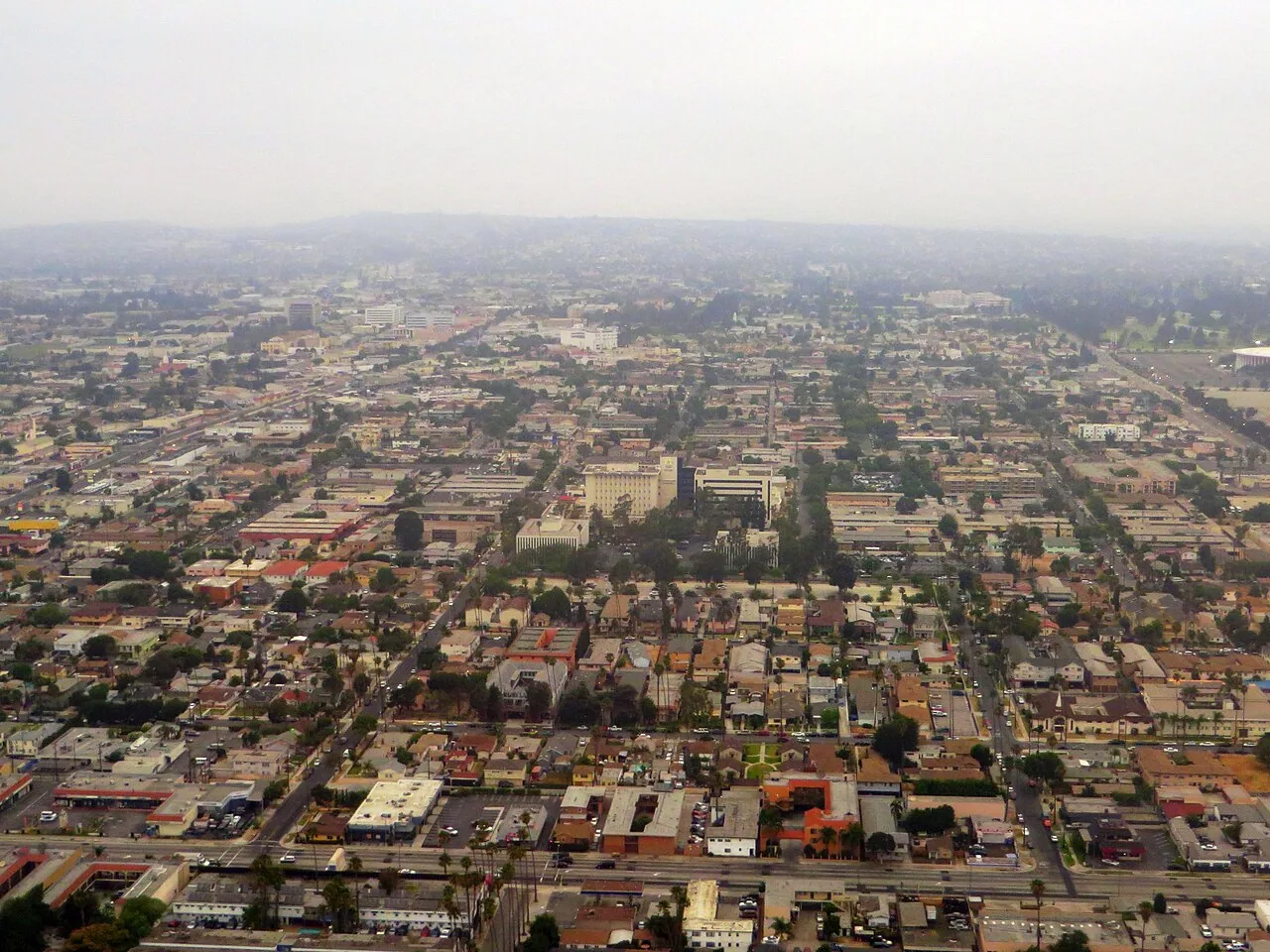
The Inglewood International Business Park plan identifies industrial and employment uses, while Century Boulevard is separately mapped as a commercial route. The Business Park area can help orient a local service route, while the facility contact confirms current access, production hours, and parcel rules. A plant roof assessment should document those building-specific limits instead of assuming that industrial designation means one standard roof layout.
Find the failure before water spreads
A seam opening can admit water even when the membrane beside it looks intact. A loose curb flashing, split boot, or failed edge transition can create the same kind of entry point. We inspect beyond the ceiling mark and photograph the detail with enough surrounding roof to show its relation to drains and equipment. If moisture evidence continues past a repairable area, we identify where a test opening or survey would reduce uncertainty. The leak repair scope separates confirmed work from that next investigation.
Inglewood receives much of its measurable rain in the cooler months, while summer rain is uncommon. For a plant, that makes a pre-season drainage and seam check useful when the roof is dry and roof access can be arranged. We clear or assess drain bowls, scuppers, and low areas as part of the actual walk. A moisture survey can help locate suspect insulation where surface inspection alone cannot settle the question. Selective openings may still be needed to confirm what lies below.
Coordinate rooftop equipment trades
Fans, exhausts, piping, and process equipment bring repeated penetrations through the roof. A flashing repair has to keep water out and leave a service route for the next maintenance visit. We mark the curb or pipe, note which trade owns the equipment, and agree on the work sequence before opening the membrane. If a unit must be shut down or lifted, the plant confirms the operating window. Each transition receives a photo after repair so a later service call can distinguish roofing work from equipment work.
A curb and penetration review can include flashing condition, support attachment, and access around the unit. We do not infer hidden support or deck conditions from the top surface. If the project exposes a concern, we document it and coordinate the required structural or mechanical review. This keeps a roof recommendation within the observed evidence and gives the plant manager a defined next step.
Set production-safe work windows
A useful schedule identifies where crews enter, where materials can be staged, what noise or odor limits apply, and which production or shipping periods cannot be interrupted. We can divide a large scope into zones, set a daily dry-in point, and protect equipment or inventory below. The sequence should also state who can authorize a field change and how the plant will receive notice. An occupied-building roofing plan connects those details with crew movement and temporary protection.
Century Boulevard connects directly with LAX, and Prairie Avenue and I-405 are among Inglewood's mapped routes. Those routes may influence delivery planning, but a facility's gate, dock, and security process decide where materials can arrive. We confirm the receiving point and a backup if the regular entrance is unavailable. When production is continuous, we schedule roof zones around the process rather than asking the process to fit a generic construction calendar.
Compare repair with a planned reroof
A single localized defect may be repairable. Several wet areas, recurring seam failures, or a roof assembly that cannot support the next operating term may point toward restoration or replacement. We state which observations lead to each option and what cost or schedule drivers remain unresolved. These can include wet insulation, deck repairs, edge metal, equipment handling, disposal, access, and the amount of time needed to maintain a dry building. A replacement assessment can compare those options against the plant's planned outage windows.
Before fixing a shutdown date, the plant's project lead should verify the City's permit and inspection path and the state provisions attached to its application. A code-cycle change took effect in 2026; the particular alteration determines which review steps apply. We list that checkpoint beside the production window. A capital plan can carry the documented roof condition, repair history, and operating window into a budget request. It should also record what further inspection would change the scope.
Related Roofing Work