Read the opening
A split seam may show a lifted edge, a narrow gap, wrinkled membrane, or a patch that has released. We check whether the separation is limited to the lap or extends into the field. Dirt and water lines can show how far moisture traveled. We inspect both sides of the opening and look at nearby penetrations, drains, and transitions that might have stretched the seam. A small visible split can connect to a longer area of poor bond beneath the surface.
We identify the membrane before testing or repairing it. TPO and PVC seams are typically heat welded, while EPDM uses different seam materials and preparation. Modified bitumen, built-up roofing, and metal panels have their own joint details. A past repair can conceal the original system, so we look for cut edges, markings, and records instead of assuming by color. A roof inspection can map related seams and establish whether one failed lap is isolated. If the split begins where the roof meets a wall, a flashing assessment may be needed too.
Trace where water went
Water can pass below a membrane and travel to an interior ceiling far from the seam. We compare leak reports with roof slope, insulation, deck joints, drains, curbs, and wall edges. If a seam runs uphill from the stain, we still check the route rather than assuming that nearby surface water entered at the closest point. Where insulation may be wet, an infrared survey or selective opening can help define the repair boundary. We explain which finding is visible and which needs confirmation.
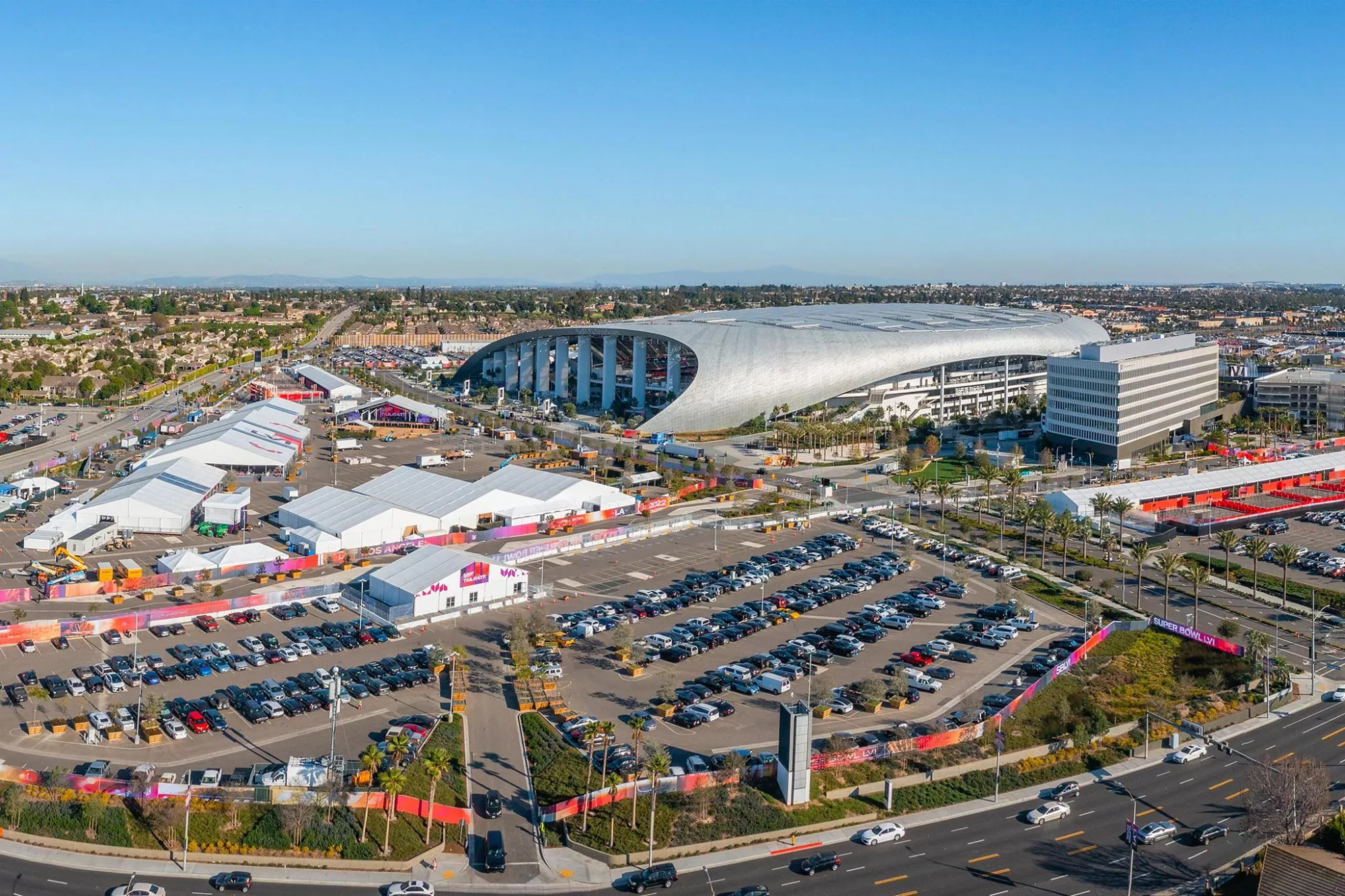
The General Plan map names Century Boulevard, Manchester Boulevard, Prairie Avenue, and Florence Avenue. At the building, we match the reported interior symptoms to actual laps and details. When the path remains unclear, leak tracing can test likely entry points, while moisture mapping looks for wet areas that cannot be seen from the surface.
Restore a compatible lap
Before welding or bonding a seam, we clean the area and check that the membrane is dry, intact, and free of contamination. On a thermoplastic roof, we test the surface and weld settings on suitable material, then rebuild the lap with a patch that extends onto sound membrane. A seam probe helps locate unbonded edges after cooling. EPDM repairs require compatible cleaner, primer, tape, and pressure. Metal joints may need fasteners, closures, or a rebuilt standing seam that still allows panel movement.
A surface seal can temporarily cover a gap, but it does not restore an open lap's attachment. If the seam has stretched, the substrate has softened, or water reached the insulation, a larger cutback and tie-in may be needed. We document the method and material so later maintenance does not apply incompatible products over the repair. A commercial roof repair scope can address several connected laps, and a TPO system review helps determine whether the field material can accept a welded repair.
Decide whether repair can stay local
Seam failure is local when the bond loss ends at a clear boundary and the surrounding membrane remains flexible and attached. Long runs of open laps, repeated repairs along the same line, wet insulation, or brittle field material can shift the decision toward broader work. We inspect adjacent seams, end laps, penetrations, and drainage details. The goal is to include every connected failure without expanding the scope beyond what the roof condition supports.
At LAX, most measurable rain falls in the cooler months, and the spring-summer daily temperature range is usually below 15°F. We check the roof moisture and workday conditions before setting the repair window. If several areas have failed, we compare repair with a recover option or replacement planning. A wind damage review can be useful where seam movement occurred with displaced edge metal or attachment.
Protect the building during seam work
We coordinate roof access, staging, and any equipment clearance before opening a seam. Welding creates heat and noise; adhesive and primer need safe conditions and cure time. The facility contact can identify restricted hours, tenant routes, and areas that need interior protection. If a leak is active, temporary covering may reduce exposure until the repair can be made on a clean, dry surface. We note how long the temporary measure is expected to remain and what permanent work follows.
The Inglewood International Business Park plan includes industrial lots near Century Boulevard, while other mapped corridors have retail, office, and public uses. Each building sets its own delivery, security, and tenant rules. We agree on a work window, isolate the repair area, and keep walkways or loading lanes clear. After welding or bonding, we inspect the finished lap and photograph the repair. A maintenance visit can record nearby seams and spot a new opening before it reaches interior space. Properties in Hawthorne receive the same material-specific review at their own roof.
Related Roofing Work