
Water path: start above the reported storage bay
We map the interior report to the roof grid or a field sketch, then check nearby laps, penetrations, equipment curbs, parapets, and drain bowls. Water can move below a membrane before it appears on a pallet, rack, or ceiling tile. The visible drip is a clue, not a repair boundary. We photograph the detail and note whether the same zone has an earlier patch or a separate maintenance ticket.
A commercial roof inspection records the route from symptom to suspected opening and identifies where another test would change the finding. We inspect overflow paths and low areas feeding the drain. If the warehouse remains active, we note aisles, goods, and equipment that need protection before opening the assembly. The report keeps confirmed damage separate from areas that were not reached or could not be tested safely.
Assembly check: identify the membrane before choosing a patch
Warehouse roofs may have different systems across original construction, additions, and later recover work. We identify the visible membrane, inspect an edge or repair record where available, and check how it terminates at walls and curbs. A patch has to bond or weld to compatible material on a sound, dry surface. A color match alone does not establish whether the field is TPO, PVC, EPDM, modified bitumen, or a coating.
For a single-ply roof, the repair could involve welding a seam or rebuilding a flashing detail; the right method depends on the actual sheet and condition. A TPO assembly review includes attachment, insulation, perimeter work, and tie-ins, not only membrane selection. We note brittle, wet, or contaminated areas before pricing a patch. If the assembly remains unclear, the next step is identification, not a guessed product.
Drainage: keep water away from stock and equipment
A blocked strainer, shallow low point, failed seam, or open drain flashing can send water along a long warehouse bay. We inspect the bowl, overflow, nearby laps, and the roof field feeding each outlet. The record distinguishes water observed during the visit from a recurring ponding report or moisture reading. If a drain is clear but water remains, slope and deck movement may need a separate review before the repair is defined.
Winter rain makes drainage condition worth documenting before the wet period, while current conditions decide the work window. A warehouse roof's drains, seams, and overflow routes still need inspection at the property. A drain and scupper check can identify maintenance from failed membrane work. We mark each outlet and overflow on the roof sketch so a later visit can compare the same path.
Loading operations: coordinate the roof and floor together
Before mobilization, we confirm the approved entrance, lift location, material drop, hatch or ladder, and delivery hours. A warehouse may have receiving lanes, forklifts, and inventory below the work area. The facility contact identifies which aisles need protection and whether a temporary move is practical. We then set the roof section that can be opened, the daily dry-in edge, and the route for moving materials without crossing an unapproved area.
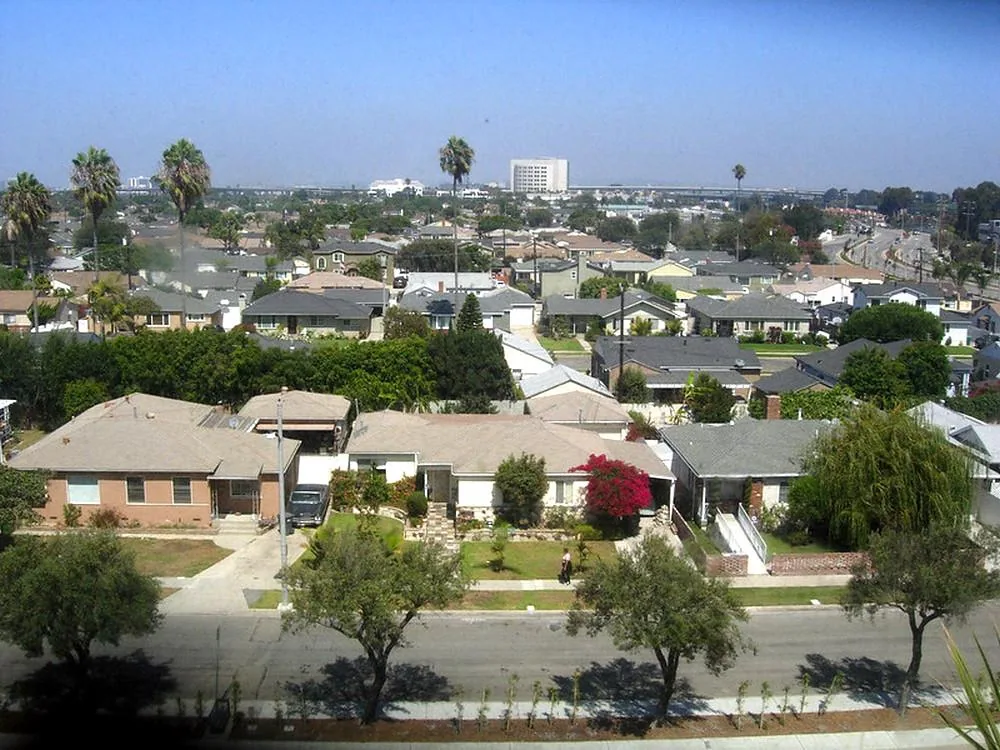
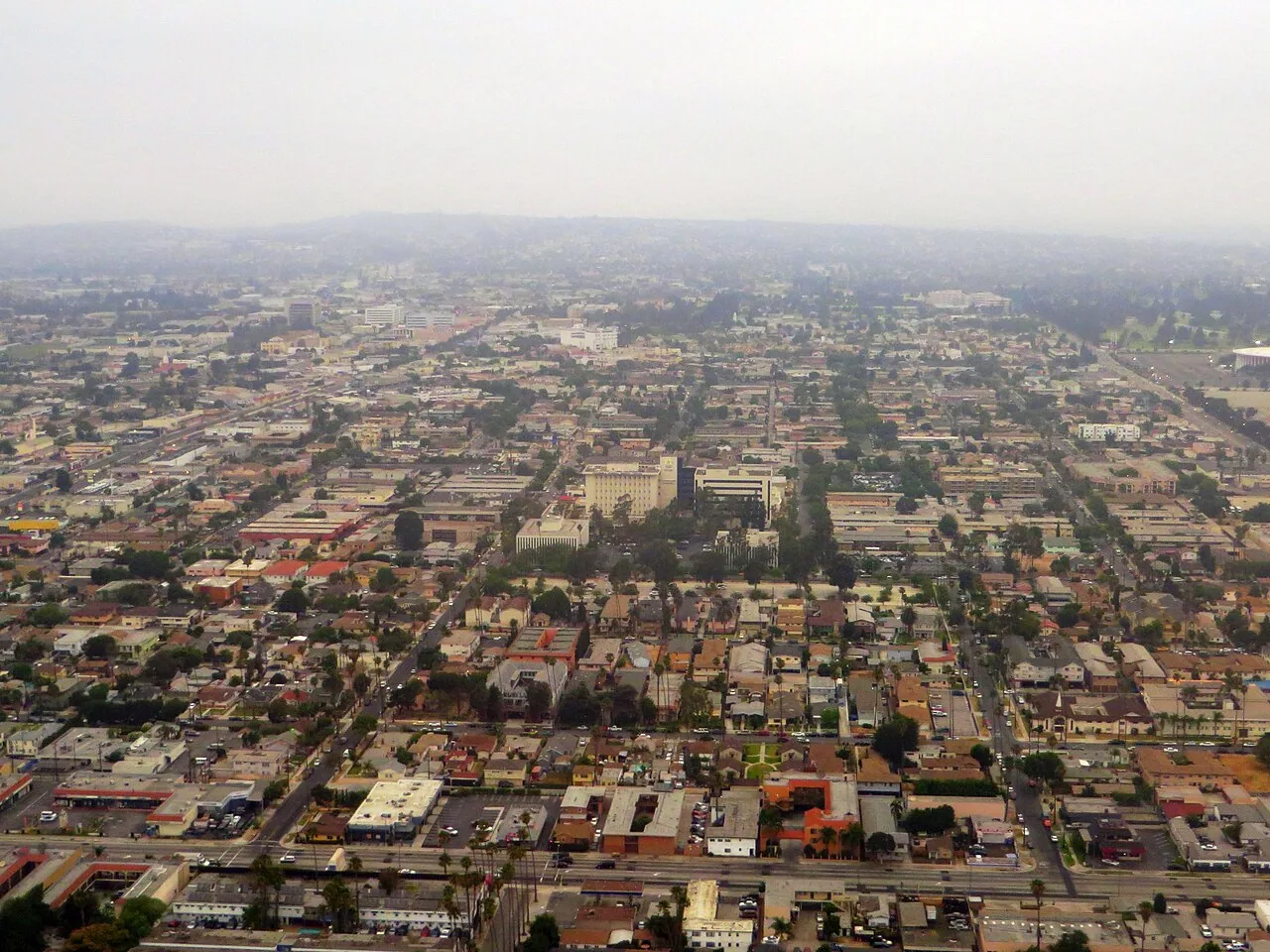
Century Boulevard is a busy commercial corridor, and Inglewood International Business Park is an industrial employment area nearby. The property contact confirms the entrance and loading route at the parcel. An occupied-building sequence lists work zones, shift limits, and who can approve a field change. If the operation cannot stop, the scope states where noise, fumes, or interior protection may affect daily receiving.
Repair options: price the confirmed area first
A localized repair is the first comparison when the opening is clear and adjacent membrane, insulation, and attachment remain stable. Several recurring leaks, wet material across bays, or loose perimeter details can support a broader option. We show the repair limit, areas left for observation, and any test opening that may change quantities. The owner can compare immediate water control against restoration or replacement using the same zone map.
A coating is considered only after checking substrate, moisture, compatibility, preparation, and flashing details. If those conditions do not support restoration, a replacement scope should state removal or recovery, insulation, drains, curbs, and edge assumptions. A photo condition record helps connect the estimate to visible evidence. Cost and timing change with layers to remove, access constraints, operating hours, and what a test reveals below the field. For a large roof map, we separate active leak zones from sound areas and list the sequence that keeps the next dry-in edge protected. That distinction helps the owner compare a staged repair with work that crosses several bays.
Related Roofing Work