Read the roof before the transaction
An acquisition review needs a clear account of what was accessible and what could not be confirmed. We identify the membrane or metal system where visible, note seams and flashings, check drain bowls and scuppers, and photograph repairs or exposed deterioration. If a roof area is blocked by equipment or unsafe to reach, that gap stays in the report. We do not treat an inaccessible section as sound. A commercial roof inspection gives the buyer a field record to pair with plans, invoices, and seller disclosures.
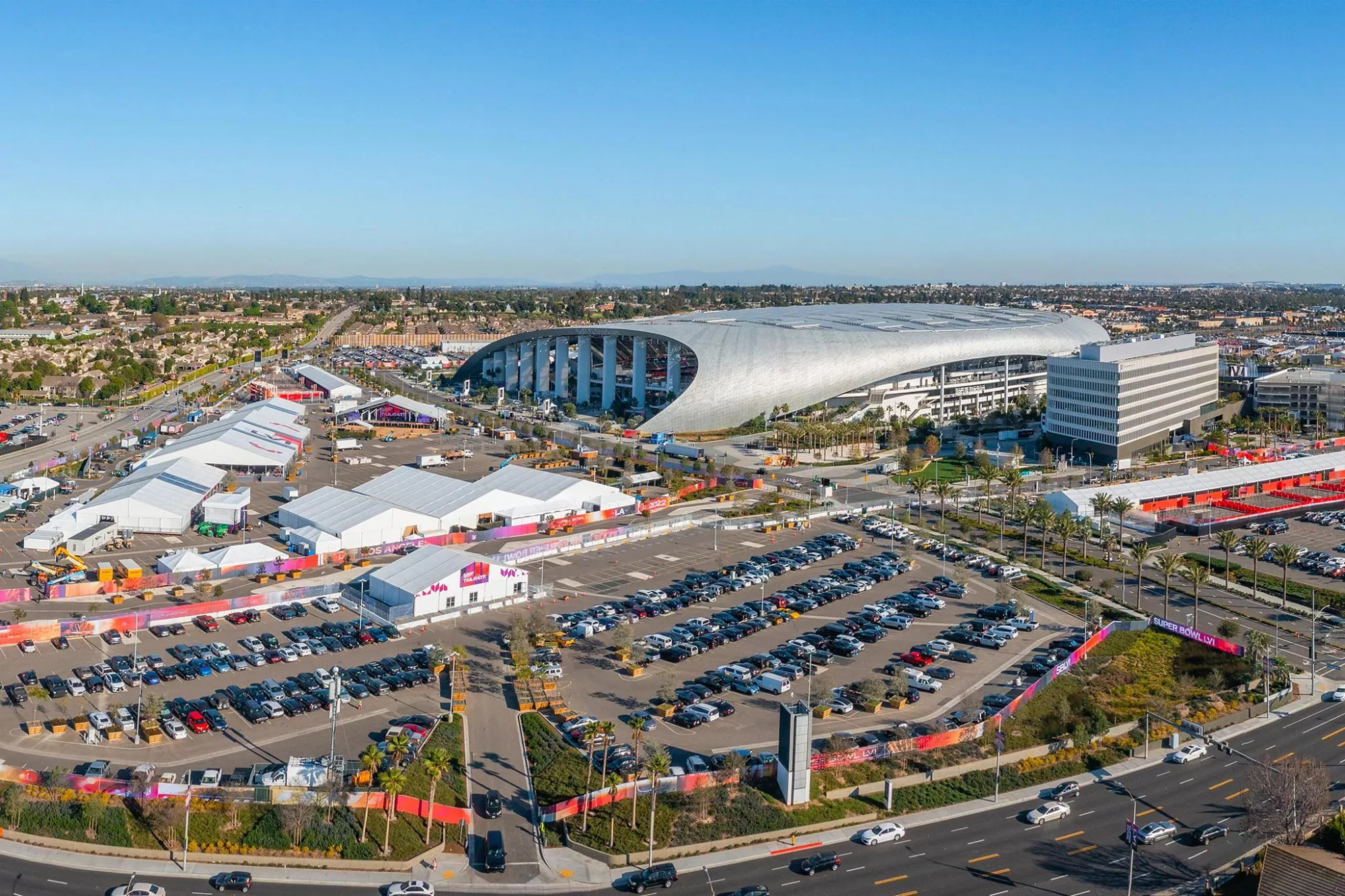
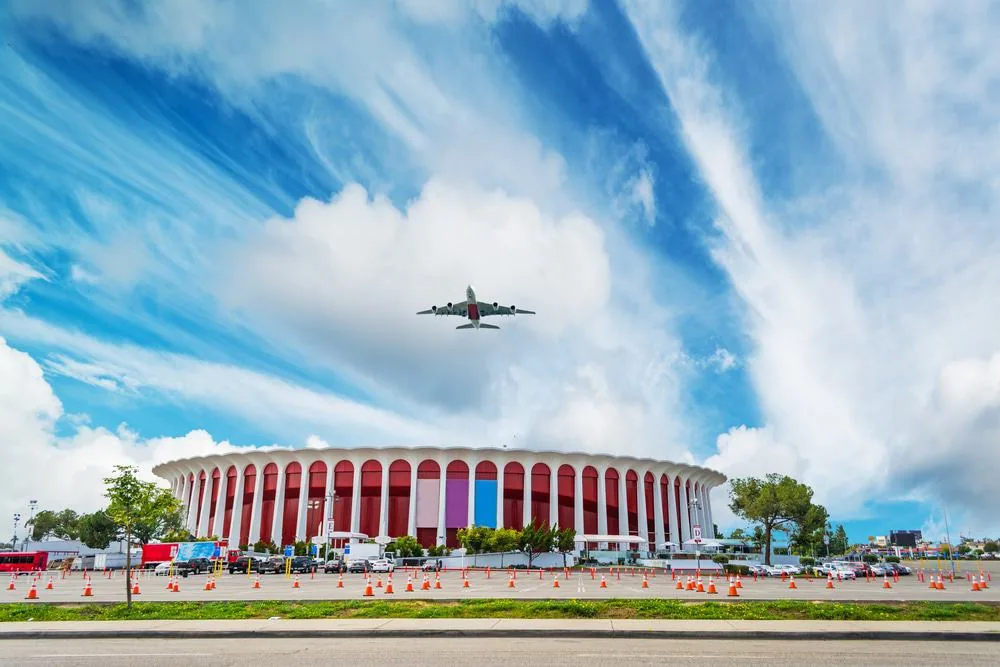
Century Boulevard is a busy commercial corridor, and the Inglewood International Business Park is an employment area near that route. These locations help orient the asset, while its occupancy, roof assembly, and access must be confirmed at the address. We confirm the building address and the available access, then evaluate the actual roof. For an asset near the Inglewood International Business Park, confirm current access and occupancy before arranging a roof review.
Separate confirmed damage from exposure
A cracked pipe boot, an open seam, and wet insulation carry different consequences. We mark what can be seen, show where water may travel, and state which conclusion depends on further verification. A surface split can often be scoped as a defined repair. Moisture indications across multiple roof areas may call for selective openings before the buyer commits to a wider removal quantity. A moisture survey can locate suspect zones for that follow-up, but the report should identify where verification remains necessary.
The repair boundary should make the possible change visible. We describe the work supported by present evidence, note conditions that could expand the opening, and distinguish roof scope from interior restoration. Before the regional rainy season, add outlets, overflow paths, and low areas to the acquisition walk. The property's own slope, membrane, and maintenance history determine whether a drainage correction belongs in the reserve. Near Prairie Avenue Medical Enterprise Overlay Area, confirm the property's current use and access with its manager rather than treating the area's planning label as a tenant record.
Translate condition into capital work
Capital planning starts with the assembly, current defects, repair history, and the time available before occupancy or refinancing. We compare a localized repair, a broader restoration, and replacement when the roof evidence supports each path. Cost drivers include the amount of wet insulation, access for tear-off, edge and curb transitions, disposal, protection of the space below, and the number of phases needed to keep operations moving. A roof capital plan can tie these items to budget timing without turning an estimate into a promise about concealed conditions.
Inglewood Building Safety reviews plans, issues permits, and inspects work. The project team should confirm the permit route and the standards that apply to the proposed alteration. California's 2025 building and energy standards became effective in 2026, which makes application timing relevant to some projects. We identify the roof scope and record the review question for the design and ownership team. A replacement assessment can then state which assembly options fit the observed roof and what further testing could change the quantity.
For a portfolio with nearby assets, the Prairie Avenue Medical Enterprise Overlay is one local planning area to keep distinct from the property's actual use. A roof reserve should follow the inspected assembly, verified repair history, and any concealed condition that still needs a test opening.
Account for the occupied building
A roof decision can affect tenant access, HVAC service, receiving, and interior protection. Before work is priced, we map roof entry, material staging, noisy work, and any room below that needs a temporary barrier. A repair over a suite may fit a short work window; replacement may need zone-by-zone dry-in and advance notices. The occupied-building sequence documents those constraints so the property team can compare schedule risk alongside the scope.
Where the asset has a tenant improvement schedule or a lease event, we connect the roof work to those dates and identify the decision deadline. We state which areas can be addressed independently and which require a common mobilization. Inglewood International Business Park includes planned employment uses; the property contact confirms current operations and delivery rules. We collect the limits from the property contact before choosing the work order. An external manager can carry the access record through a property-management handoff. For an operating facility, a separate manufacturing roof review can account for production and equipment constraints. An investor can then see what is known, what remains to be checked, and what event triggers a change in the proposed sequence.
Keep the evidence with the asset
After repair or replacement, the closeout should preserve the assembly information, dated photos, completed scope, and remaining maintenance items. We label roof areas so the next inspection can return to the same drain, seam, curb, and edge. If the property changes hands, the record helps the next owner distinguish a completed repair from an unresolved condition. A condition report can carry those observations into an asset file; a transaction survey can focus review on a pending purchase or financing decision.
Send the roof plan, repair invoices, prior reports, current leak locations, access rules, and transaction timetable before the walk. We document the accessible areas, identify follow-up testing, and prepare scopes with separate assumptions. The result gives the ownership group a roof-level basis for a reserve, a repair authorization, or a larger capital decision. If the review finds an urgent opening, we can outline temporary protection while the complete scope is evaluated. We also identify the roof areas that could remain in service during a phased project and the points that require continuous dry-in. This lets an ownership group connect capital timing to tenant commitments without stating a final quantity before concealed conditions are tested. A written decision log can preserve who approved the repair, which assumptions informed it, and when the next inspection should revisit the remaining work.
Related Roofing Work