
Conditions for a useful scan
Infrared work depends on the roof releasing heat at a different rate from adjacent areas. The survey needs appropriate temperature change, low enough wind, a dry surface, and a view that can be tied to roof zones. We check the day's weather and the roof's material before setting expectations. Reflections from metal, rooftop units, parapets, or ponding can create patterns that resemble a wet area. A scan taken under poor conditions may need to be rescheduled rather than stretched into a conclusion.
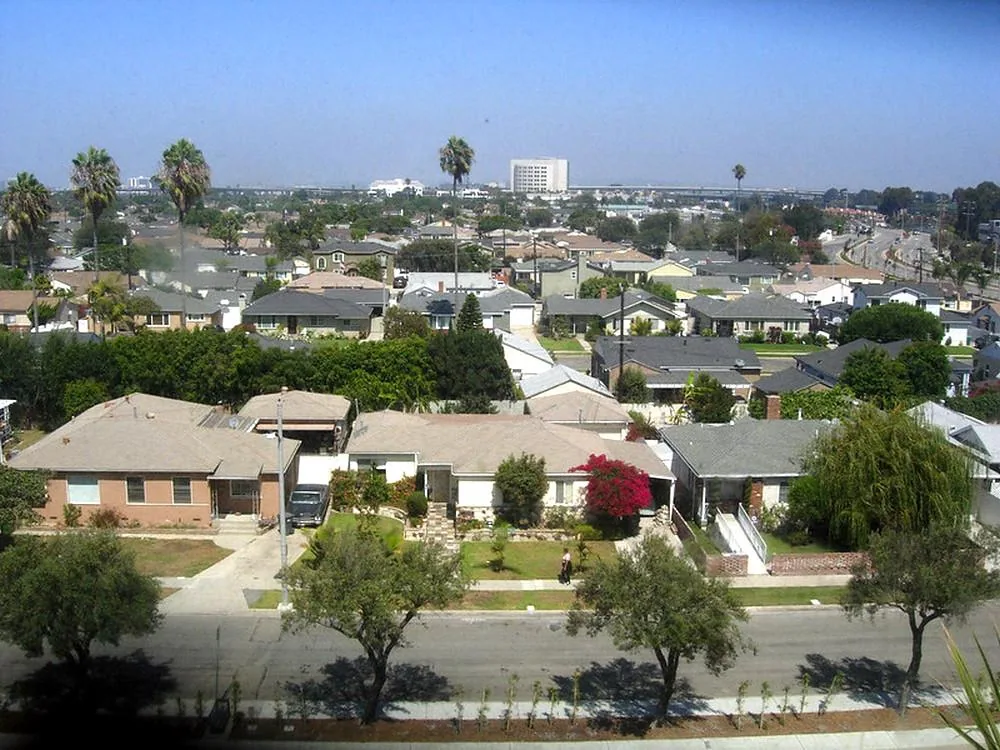
The Inglewood coastal plain has marine air and low cloud, with short-distance changes in humidity, rainfall, and temperature. Those are regional patterns, not a roof measurement. The surveyor notes the conditions and time so the owner can interpret the images correctly. A drone roof view may help map broad surface zones, while a hands-on inspection checks seams, drains, and penetrations that a thermal image cannot resolve.
Timing also matters after direct sun leaves the roof. A scan can be more useful when stored heat has begun to move out of the assembly and competing reflections are reduced. We avoid relying on a single pass over areas with metal screens, rooftop units, or deep parapet shadows. Those features can create strong temperature contrasts that have nothing to do with insulation moisture. The route can capture a reference image of the same feature from another angle, then compare it with adjacent field areas. If the pattern remains ambiguous, we mark it for hands-on review rather than extending the scan into an unsupported conclusion.
Separate patterns from proof
We compare thermal patterns with visual observations and roof history. A warm area may reflect retained heat, a different substrate, or equipment below; a cool area may come from shade, evaporation, or wet insulation. We do not label every contrast as trapped water. The report marks the pattern, its location, likely confounders, and the next check. If the roof contains multiple materials or patches, we note where comparisons are less reliable.
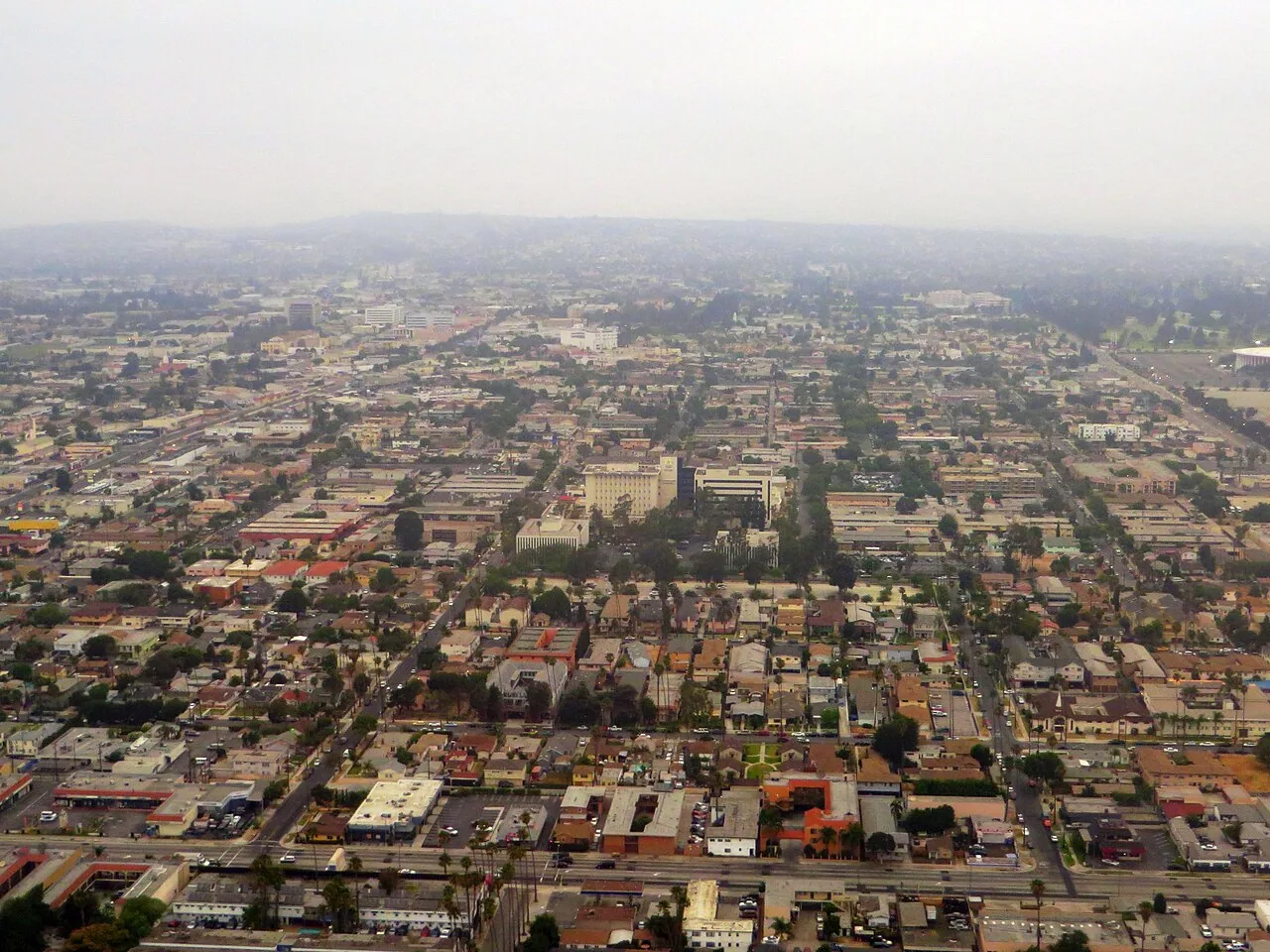
Inglewood includes commercial, industrial, hospital-medical/residential, public, and mixed-use categories. Those uses can affect access and equipment coordination, but they do not tell us the roof construction at a particular parcel. Near Century Boulevard, the Inglewood International Business Park has planned industrial lots; the actual roof still needs inspection. A roof condition report can combine marked images with repair history and visible findings. Each result is labeled so the owner can distinguish a thermal observation from a confirmed wet layer.
Confirm with selective openings
When the repair scope depends on what lies below the membrane, a test cut gives direct evidence at a chosen point. We review the suspect zones, select locations that answer a specific question, and confirm safe access with the building contact. The opening shows the roof layers and insulation at that spot. We photograph each layer, record whether the material is wet or dry, and close the test area with compatible materials. One opening does not establish conditions across a large roof, so locations should be selected deliberately.
If several readings cluster near a seam, curb, or drain, the test location should help distinguish a roof detail from a broader field issue. If readings are scattered, we may compare them with roof history and visual signs before cutting. The owner can review the map and approve additional openings if the decision remains uncertain. For a system with seam concerns, TPO seam repair or EPDM membrane work depends on confirmed material and condition, not on a color pattern in the scan.
Opening locations should be selected to test the question, not simply placed at the darkest or brightest pixel. We consider roof transitions, the likely water path, existing repair lines, and the owner's tolerance for an opening. A cut close to a curb may reveal a flashing condition, while a field cut can show insulation and deck at a different location. We explain that one sample confirms only that point. If results vary across the roof, a second location can clarify whether the boundary follows a seam or extends into another zone.
Use the result in a roof decision
The survey can help estimate the area that may need removal, but it does not supply a final quantity by itself. We connect each suspect zone to confirmed test points, visible defects, drains, and existing repair boundaries. A small area of wet insulation may support a localized cut-and-replace. Broad confirmed moisture may change the choice between repair, recover, and full replacement. The proposal separates confirmed areas from assumptions until work opens the assembly.
In Inglewood, measurable rain is more common from late October through early April than in July and August. A scan during a dry period can still be useful, but the owner should not treat it as proof of winter performance. We consider drain routes, seams, and edge transitions alongside the image. If results point to a broad intervention, compare the recover eligibility review with a tear-off scope. A Hawthorne roof survey is planned separately around that property's materials and access.
Survey record
The deliverable includes the roof-zone map, thermal and visible images, environmental notes, test-cut locations, and an explanation of what each result can support. We identify areas that could not be scanned because of access, obstruction, or unsuitable conditions. The report gives the owner a clear basis for deciding whether to test more, repair a detail, or price a larger scope. It also gives maintenance staff a repeatable reference for later checks.
Before the visit, share roof plans, system history, prior leak locations, and any restrictions around rooftop equipment or occupied spaces. We can then plan the route and identify where an opening might disrupt operations. After review, we explain the evidence with the facility director and separate immediate work from monitoring. If the roof stays in service, we note what should be observed after rain or equipment changes. If replacement is chosen, the map can help set a careful opening sequence without pretending that every pixel represents wet insulation.
Related Roofing Work