
Read the field before the seam
We start at the roof access point and trace the TPO field toward its edges and penetrations. A clean-looking sheet can still hide a weak lap, a cut around a pipe, or a drain bowl that is holding debris. We look for punctures, wrinkles, loose terminations, patched areas, and changes in texture. We note concentrated wear from service paths and equipment. That helps separate a failing field from a detail leak.
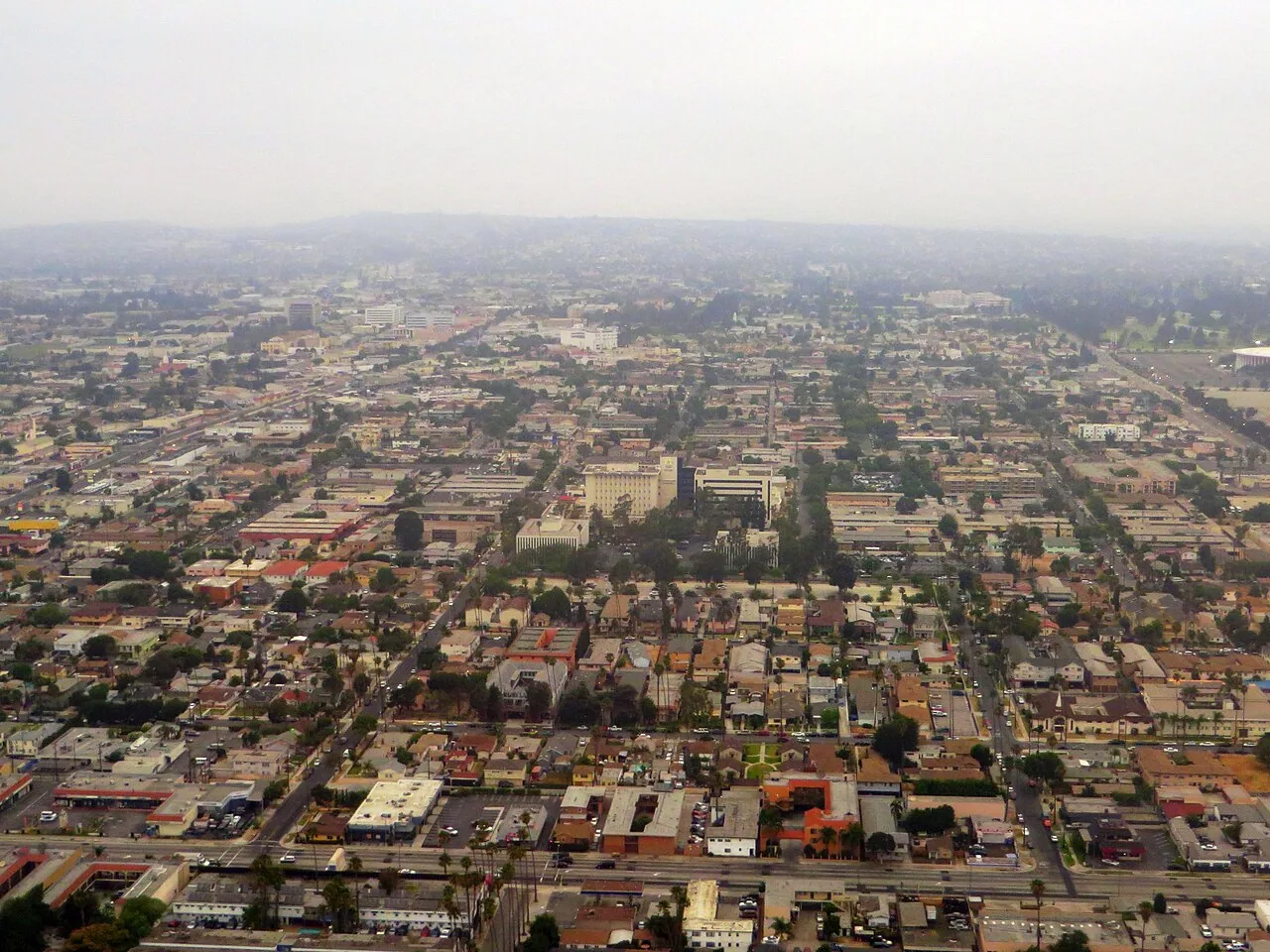
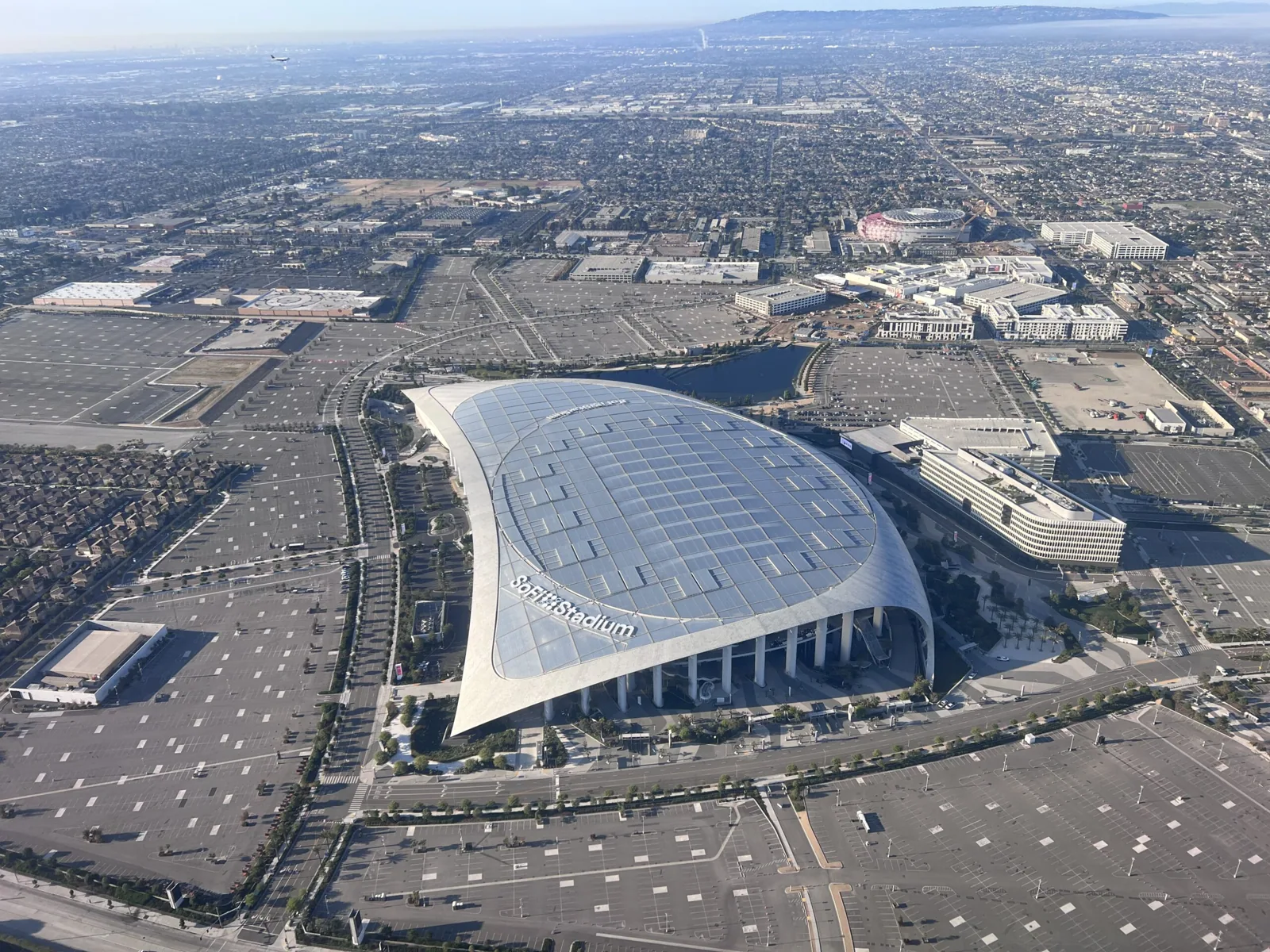
Century Boulevard connects Inglewood with Los Angeles International Airport, while Manchester Boulevard and Prairie Avenue cross other parts of the city. When a leak has reached an interior area, a focused commercial leak investigation can help separate the entry point from the ceiling stain.
Check the weld, not just the sheet
Hot-air welds join TPO sheets, and their reliability depends on surface preparation, heat, pressure, and a consistent pass. We inspect the lap for separation, contamination, fishmouths, and edges that can be lifted by hand. A probe finds weak sections, but an opening may still be needed to confirm the layers. At corners, we look for formed reinforcement rather than sealant over a moving joint.
Repairs need compatible membrane and attachment details. We remove loose material, prepare the surface, make the patch large enough to bridge sound membrane, and weld it without trapping debris. Where the assembly is wet or the substrate has lost support, a surface patch may only postpone a larger correction. A facility with kitchen exhaust or chemical exposure may merit comparison with PVC membrane or KEE sheet. Existing use and assembly decide whether that change fits. A Culver City property calls for its own access and repair-history review. We record the basis for each recommendation.
Give water a clear exit
Drainage details deserve their own inspection because membrane work cannot correct a blocked outlet or a low area by itself. We check drain clamping rings, strainers, sumps, scuppers, and the membrane transition around each opening. Debris, loose hardware, or a deteriorated seal may be repairable. Repeated ponding can signal a slope, deck, insulation, or capacity issue. A dry surface alone does not show that the outlet works.
Across Inglewood, late autumn and winter carry the more reliable rainfall; July and August commonly leave only trace amounts. A dry-afternoon visit cannot show how a TPO lap and drain perform under sustained rain. We can pair the membrane review with drain and scupper work when the outlet condition is part of the leak path. On a broad roof, we mark the area that holds water and compare it with the nearest drains before suggesting a correction.
Treat curbs as separate assemblies
Every curb, pipe, conduit, and equipment support breaks the open membrane field and creates a transition that needs a formed flashing detail. We look for loose clamping bands, unsupported corners, open welds, and equipment that has shifted since the last repair. A patch placed over a moving curb can split again even when the material is new. Before work, we identify which trades need to disconnect or protect rooftop equipment and establish a sequence that leaves the opening watertight at each stage.
Inglewood has a long history of commercial and industrial development, but that history does not tell us what sits under an individual membrane. Existing layers and past repairs can change fastening choices. We use test openings only when they affect scope, then close and protect each one. If a project becomes a full system change, our inspection record can identify the penetrations, equipment curbs, and perimeter conditions that need to carry into the bid set.
Choose repair or a new assembly
A roof with isolated seam failures and dry, stable insulation may be a repair candidate. A field with widespread wet insulation, recurring open laps, or weak attachment may need a larger scope. We separate confirmed conditions from assumptions and describe what a test opening would answer. Replacement planning accounts for tear-off, insulation, edge metal, drains, and material access. Those items drive staging and duration.
HCD says the 2025 state standards generally apply to permit applications filed from January 1, 2026, while local governments set their application dates. Inglewood Building Safety reviews plans, permits, and inspections; we confirm the route for this assembly before fixing details. We flag the proposed scope for project-specific confirmation rather than promise that a particular assembly will qualify. Where recover is under consideration, we compare existing layers, moisture findings, and attachment capacity with a new TPO assembly. A phased reroof plan can help keep access predictable when tenants or daily operations remain active.
Related Roofing Work