
Inspect each roof transition
Flashing is the connection where the roof meets a wall, curb, pipe, skylight, drain, or other change in plane. Water can enter through a separated corner, a loose counterflashing, a cracked boot, or a membrane edge that has lost its termination. We check the whole detail instead of applying sealant to the first visible gap. On a parapet, that means looking at coping joints, the wall face, the base flashing, and the membrane beneath the metal.
At an equipment curb, we inspect each corner, the curb height, fasteners, and clearance for service work. A penetration boot may split where the pipe moves. A skylight transition can collect debris or have an exposed edge. We photograph the detail and identify the roof system so repair materials match. If the roof field itself is intact, a local transition repair may solve the opening. For a roof with several transitions failing together, a roof inspection can map related defects before the repair plan is set.
Follow water back to the opening
Water often travels before it appears indoors. It may pass behind base flashing, run along a deck, or follow framing to a ceiling well away from the failed detail. We compare the leak report with roof elevation, nearby drains, seams, curbs, and wall edges. A parapet stain can point to a different path than a drip below a rooftop unit. We check roof and interior access before deciding whether an opening is needed.
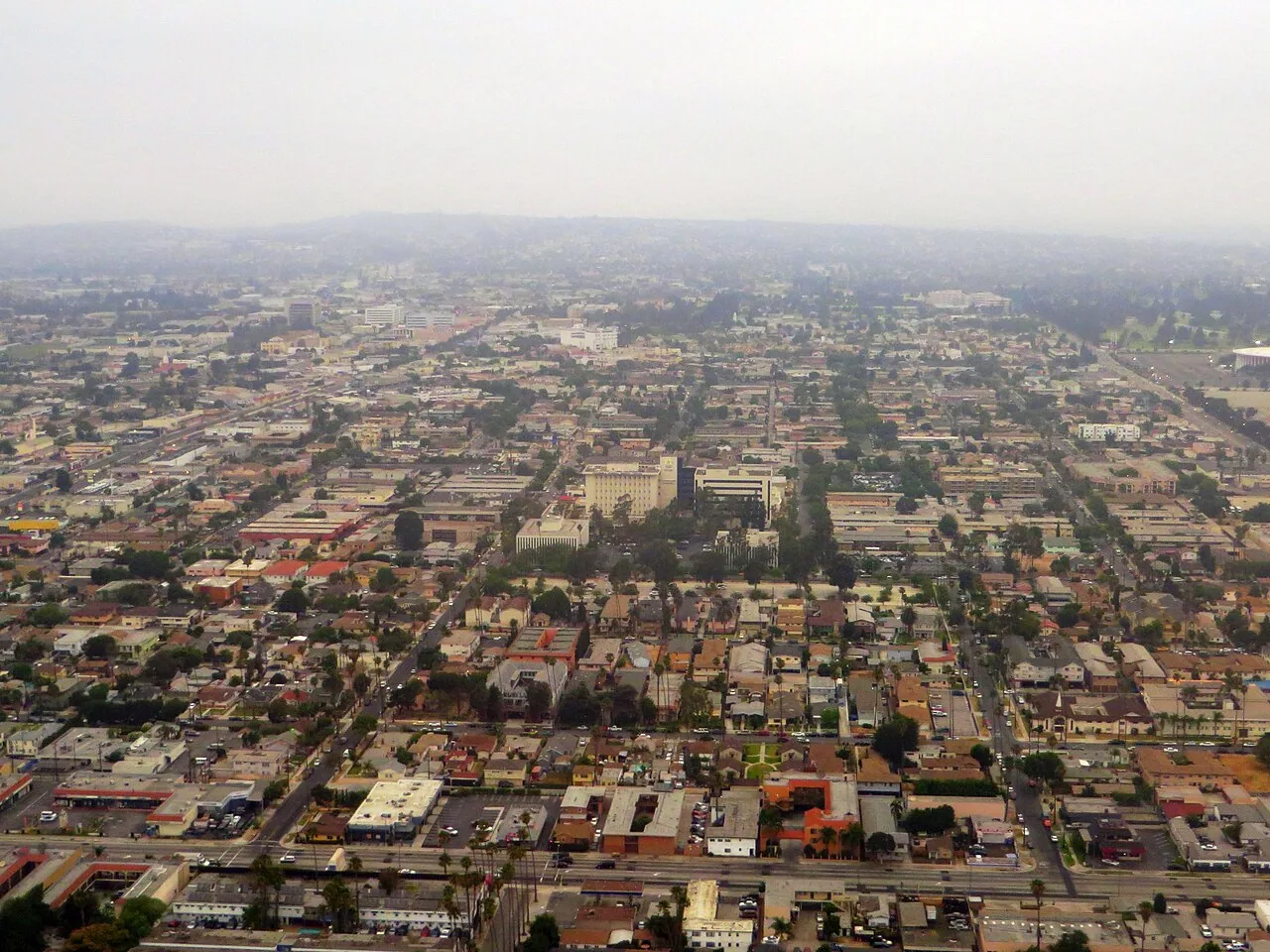
Century Boulevard, Manchester Boulevard, Prairie Avenue, and Florence Avenue are local routes through Inglewood. We use the reported address and actual roof details to orient the visit, then trace water at the flashing, seams, and drains. If the flashing is intact but a lap has split nearby, seam repair may be needed; when water has crossed the membrane, leak tracing can help confirm the route.
Rebuild the detail to suit its material
We identify the roof system before choosing how to repair it. A TPO or PVC transition may need a clean weldable surface and a correctly formed patch. EPDM work can require its own primer and pressure-sensitive flashing. Modified bitumen and built-up roofs use compatible plies and tie-ins. A metal roof needs closures, fasteners, and a transition that allows panel movement. Coatings can only bond where the substrate is suitable and the detail has a continuous surface. Products that work on one assembly may damage or release from another.
We remove loose material and check the base. We extend the repair to sound membrane or secure metal, then rebuild corners and terminations with compatible reinforcement. If moisture, corrosion, or damaged substrate continues past the visible gap, we pause to mark the larger repair boundary. We do not bury a wet or unstable detail under new coating. For a skylight, curb, or pipe, the scope also identifies which trade handles the equipment-side connection. A defined coping and edge-metal scope can coordinate the cap and membrane turn-up. Penetrations need the same material-specific detail review.
Know when the detail is part of a larger failure
A single loose corner can be repaired locally when the membrane and wall substrate remain sound. Multiple open corners, recurring leaks, broad wet insulation, or deteriorated metal can make a larger repair more practical. We compare the defect pattern with previous patches and inspect adjacent roof areas before calling the work complete. If the wall flashing is secure but the roof field has softened, the cause may sit beyond the detail. A test cut can identify moisture where surface inspection is inconclusive.
Inglewood's coastal plain has marine air, low cloud, and mild conditions, with short-distance shifts in humidity and rainfall. We trace the actual water path and inspect the roof assembly before setting the repair boundary. When repeated transitions need work across a larger area, compare a repair program with replacement planning. A wind-damage review may also be appropriate if metal or terminations shifted during the same event. We explain what the selected scope will correct and what should remain under observation.
Coordinate access and interior protection
Flashing work can require access to the roof, a tenant space, or a mechanical room. We confirm ladders, escorts, roof hatches, equipment clearances, and any hours when the area cannot be closed. If an interior ceiling must be opened to trace the path, the facility contact can plan protection for occupants, inventory, and equipment. We keep the opening size tied to the inspection question and record what is exposed before closing it.
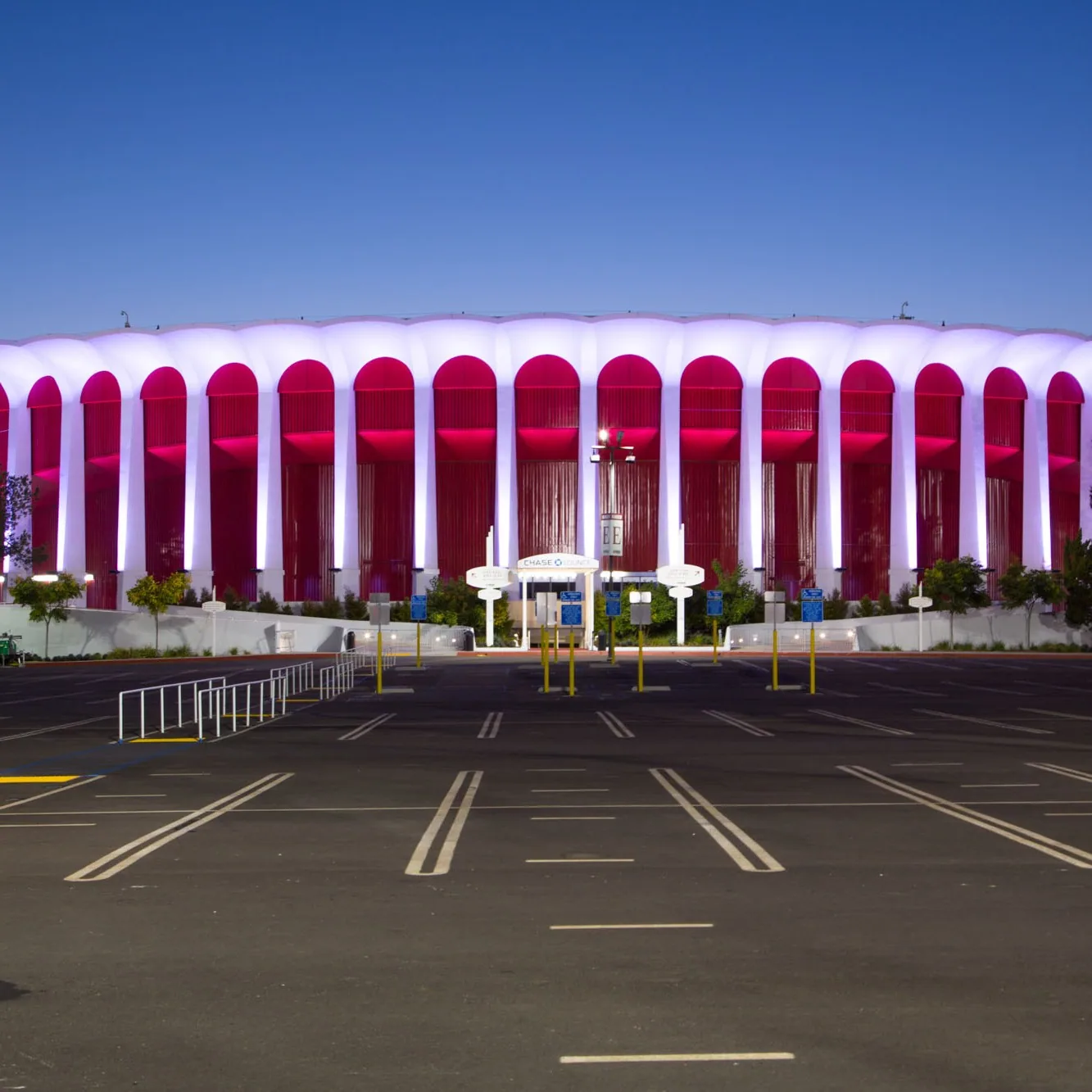
For an occupied property, we establish a work window and staging area before removing flashing. Rain exposure, dew, and temperature affect preparation and cure time. When water is active, temporary protection may hold the opening while a permanent repair is scheduled. Century Boulevard connects Inglewood with LAX, and the Inglewood International Business Park is a planned employment area near that corridor. The property's own security, tenant, and delivery rules govern the workday. We coordinate access with ongoing use. Nearby properties in the Hawthorne service area receive a separate roof and site review.
Related Roofing Work