Confirm the parcel and work route
South Doty Avenue runs through the business park, and general-commercial uses are planned near South Prairie Avenue. Before mobilization, we verify the parcel gate, ladder or hatch, staging area, and loading restrictions with the site contact. The roof plan records the access route, equipment that must remain in service, and interior areas needing protection.
The planned mix includes commercial, industrial, and research-and-development uses. We confirm the facility's current operations because access and sequencing differ between a controlled room, storage bay, and office. The work window should name where tools travel, where debris leaves, and who receives updates if the repair boundary changes. A phased occupied-building reroof can help sequence larger work while keeping designated areas available. Each daily handoff should name the roof section and access contact.
On a multi-tenant parcel, the work boundary should be marked before materials arrive. The roof plan can label the building, roof zone, access point, drains to keep clear, and equipment that remains in use. The site contact identifies who can release access and receive a scope change. If a repair opening exposes wet insulation or damaged deck beyond the approved limit, the crew documents the layers and contacts the authorized representative before extending removal. For a longer project, each handoff records the completed section and the next dry-in point. At closeout, photos, repair materials, and open follow-up items stay attached to the same building and area. This gives operations a usable record without confusing one tenant’s schedule with another building’s roof work. Delivery notes should identify the staging area and keep loading lanes clear during the agreed work window.
Trace water across the roof field
Water can cross a roof field before it shows up under a seam or drain. We note the reported room, then inspect the roof plane, laps, curbs, and outlet path above it. A low seam, a blocked drain bowl, and a split penetration flashing require different repairs even if the interior stain looks similar. We follow visible marks and photograph each transition. If the roof surface does not explain the path, we state where a controlled opening could show whether moisture has reached the insulation or deck.
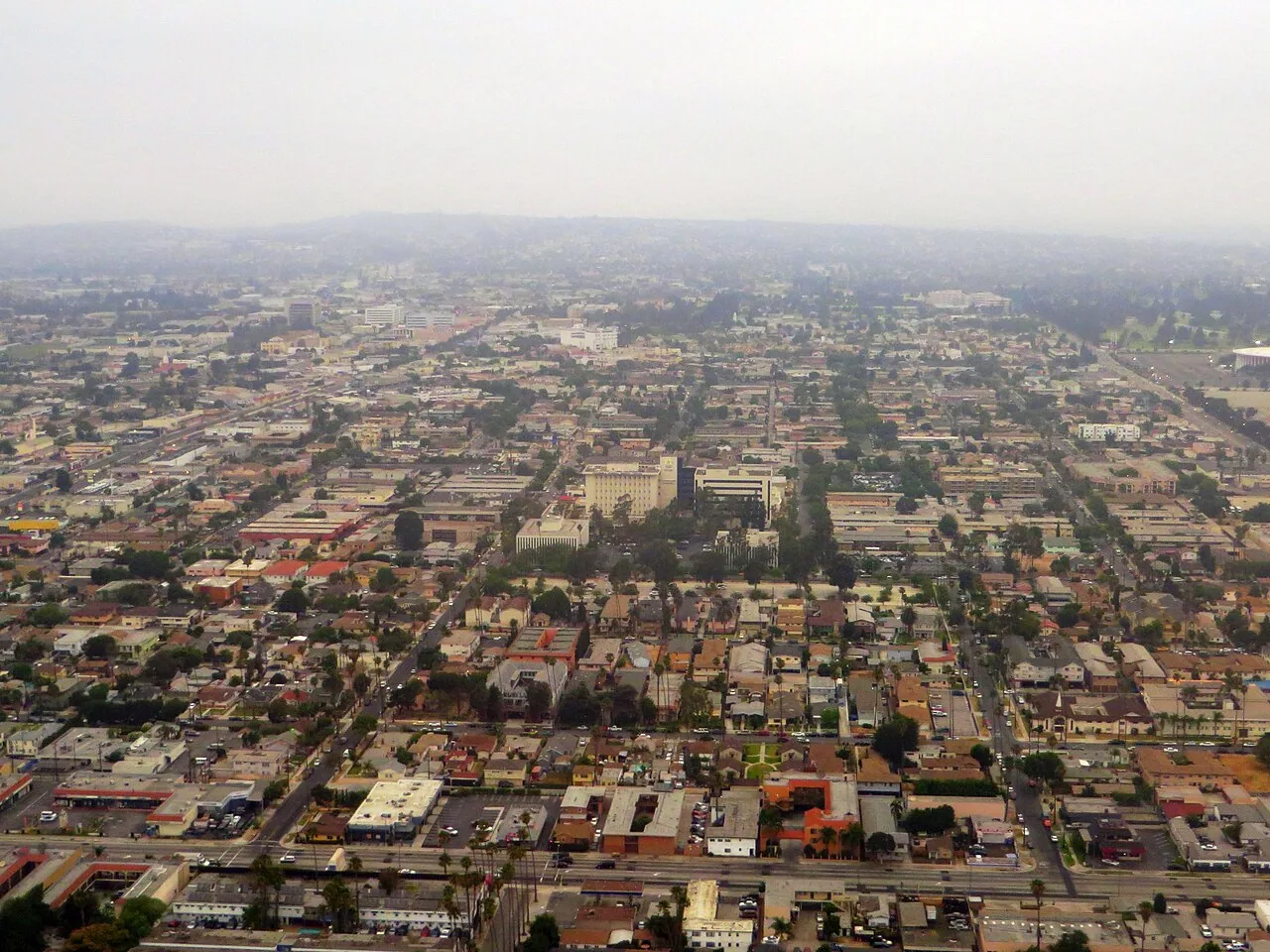
The Inglewood coastal plain has marine air, low cloud, mild conditions, and winter rain. Wet-season service makes the drain bowl and overflow worth checking on the roof, along with the membrane and nearby transitions. A drain and scupper review can separate a plumbing-side blockage from membrane deterioration; a moisture survey may help identify follow-up areas when the assembly and conditions suit that method.
Keep the scope at the evidence
For a light-industrial or employment building, we verify the roof assembly and its condition before selecting a repair. For a localized failure, the estimate should name the seam or flashing, preparation, compatible material, and tie-in point. If the defect extends into wet insulation or a damaged deck, we document the finding before enlarging the work. A clear boundary lets an owner compare a patch with selective removal without treating separate park buildings alike.
Replacement decisions turn on more than visible surface wear. We check existing layers, attachment, drainage, edge height, insulation, deck, and the planned use of the building. A recover is only a candidate if the assembly and applicable requirements support another layer. Tear-off can add disposal, temporary dry-in, deck work, permits, and coordination with other trades. A commercial roof repair can address a bounded defect. A replacement scope should list removal and tie-in assumptions. For membrane work, the current system determines whether TPO details or another assembly's seam method is appropriate.
Make findings usable across teams
When several people manage a property, the report should make roof conditions easy to locate. We label photos by roof area, mark the repair edge, and record which material was visible. If a test cut reveals moisture, the note says where it was made and how far that observation extends. Unknown conditions remain separate from completed work. The facility director can share a scope with operations, ownership, and a later roofing contact without turning a short Diligence Notes into a new diagnosis.
For a multi-building portfolio, roof asset records can connect each property, report, and open work item in one review. A condition report with photographs shows the repair boundary and visible material, while roof asset records help organize follow-up across buildings.
Set the next work window
Weather, access, and operations all affect timing. We review the forecast for the work period, identify the roof area that can be protected each day, and note whether a temporary dry-in is needed before removal. The Inglewood coastal plain receives most measurable rain in winter, so drainage and temporary protection belong in the pre-start review. If an active leak is reported, we ask when it began and whether the room can be protected while the roof is inspected.
A controlled opening needs a stopping point and a temporary cover before the crew leaves. We photograph the exposed layers and record whether the insulation or deck appears affected at that location. The note distinguishes a temporary measure from permanent work and identifies any follow-up that remains. The site contact can confirm which gate serves the work zone, where a lift can set up, and whether loading activity shares a route with roofing materials. We check those details before mobilizing, not after a truck arrives.
Century Boulevard, I-105, and I-405 connect the area with regional destinations; we schedule deliveries around the work window agreed with the building contact. Share the building use, current symptom, and limits on noise or entry. We will inspect the roof, photograph the affected details, and explain whether the next step is repair, a controlled opening, or a replacement discussion. Nearby municipal service includes South Gate and Hawthorne, with each property assessed on its own conditions.
Related Roofing Work