Map heat, smoke, and water exposure
Fire can affect more than the point where flames were visible. We inspect membrane discoloration, blistering, shrinkage, exposed reinforcement, and changes in flexibility. At metal, we look for distortion, loosened fasteners, failed coatings, and joints that no longer shed water. Smoke residue may cover an otherwise sound surface, while heat can weaken a material beneath the visible mark. We avoid treating soot as proof of membrane failure or a clean-looking area as proof that heat did not reach the assembly.
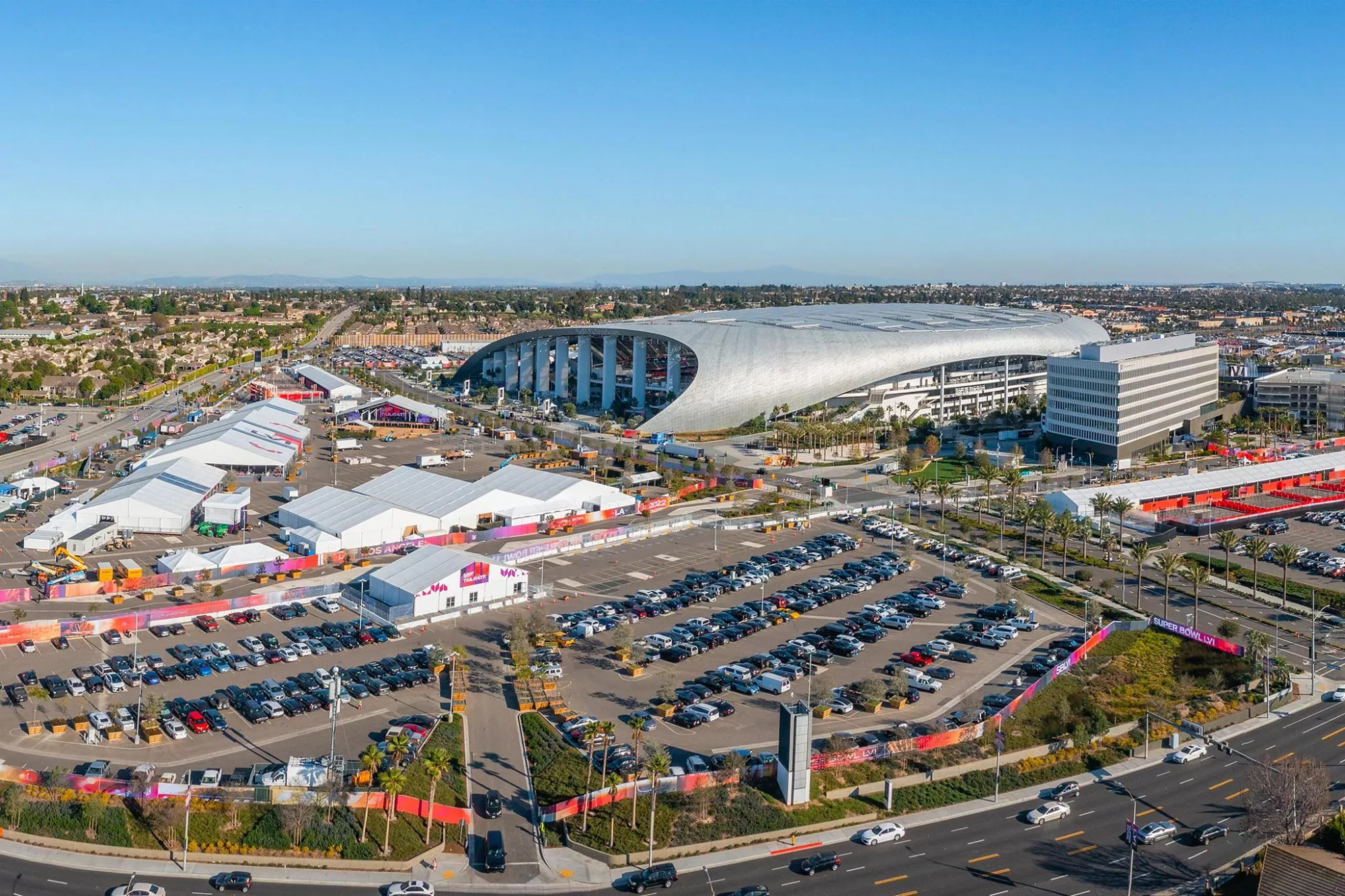
Suppression water can travel along the roof and reach drains, seams, or insulation away from the incident. We note the water line, any standing water, and interior reports below the roof. If the event involved rooftop equipment, we inspect curbs, penetrations, and the nearby membrane separately. Century Boulevard links a busy Inglewood commercial corridor with LAX, and the city includes commercial and industrial areas alongside other uses. Those locations help orient a facility visit; they do not tell us what roof system or fire condition a specific property has. A roof inspection can map the affected field, and heat-damage review can assess whether adjacent surface degradation is part of the same scope.
Check what the roof is made of
Repair choices depend on the assembly exposed to heat. We identify TPO, PVC, EPDM, modified bitumen, built-up roofing, metal, foam, or coating before specifying work. Thermoplastic membranes can shrink, soften, or lose weldability; EPDM can be affected differently by heat and smoke. Bituminous layers may blister, char, or separate. Metal can warp or lose a protective finish. Insulation and cover board may have absorbed water or changed shape even if the top surface remains in place.
We use roof records, visible cut edges, and safe inspection points to understand the layers. If the top membrane hides a wet or damaged substrate, a selective opening may be needed. The facility director receives a clear record of what was confirmed, what remains hidden, and how an opening would change the scope. A moisture survey can help locate wet insulation after suppression, while insulation and cover-board repair addresses damaged layers when they are exposed.
Separate cleaning from roof repair
Smoke residue removal, membrane repair, and replacement solve different conditions. A surface may need cleaning before it can be evaluated or coated. A puncture or failed seam may be repaired if the surrounding material remains compatible and sound. If heat has changed the membrane across a larger area, patching isolated marks can leave the repair disconnected from the actual exposure. We define each zone and explain whether the work involves cleaning, a membrane tie-in, insulation replacement, or broader recovery.
For a single-ply field, a compatible patch may be welded or bonded after the surface is properly prepared. Metal work may require replacement panels, closures, or fasteners. A coated roof needs adhesion checks and a clean substrate. We do not assume that an existing coating can cover smoke residue or heat damage. If water from suppression reached seams, seam repair may be part of the scope. At walls and equipment curbs, flashing repair can restore the transition that water crossed.
Set the repair boundary
We compare the visible burn or smoke zone with the roof field, seams, drains, insulation, and supporting deck. A contained area with sound surrounding material may be repaired locally. Widespread heat effects, wet insulation, separated plies, or multiple openings may make a larger repair or replacement plan more useful. If an opening is needed to verify the assembly, we explain its location and what the finding will determine before proceeding.
Inglewood includes public, medical, commercial, industrial, and mixed-use areas. A fire can affect tenant operations, equipment shutdowns, or roof access, depending on the building. We confirm access with the facility contact and coordinate with restoration or mechanical trades already working on site. If water is still entering, the emergency roof response scope should define temporary protection, access, and the next step toward permanent repair. A photo record can document observed roof conditions and work performed.
Plan safe access and closeout
Post-fire roof access may be limited while equipment, utilities, or interior spaces are evaluated. We confirm that the roof can be entered safely and that the affected area is released for inspection. Work can involve cleaning, removal, heat welding, or handling water-damaged materials, so we agree on the sequence with the facility contact and other trades. Open sections are protected at each shift boundary, and temporary measures are described separately from permanent repairs.
An industrial employment area sits near Century Boulevard, with Manchester and Prairie among Inglewood's corridors. These corridors provide local context for facilities with differing schedules, but the building manager sets actual delivery, tenant, and security requirements. We keep roof work inside the agreed area and protect any occupied space below. The completed repair receives before-and-after photographs, material notes, and a list of adjacent conditions that remain for follow-up. A condition report can preserve those findings with the property's maintenance file. A Hawthorne-area assessment and a separate Gardena roof visit each begin with that property's own assembly, access, and repair record.
Related Roofing Work