
Existing assembly limits
Local code and the roof's construction set the boundary. The existing deck must support the proposed attachment. The number of roof layers must be documented. Wet insulation cannot simply be covered and expected to dry. We inspect the field, seams, curbs, perimeter, and penetrations, then compare the surface condition with moisture readings or selective openings. Where readings disagree with what can be seen, the discrepancy needs resolution before a recover is priced. A recover adds a roofing layer over the existing assembly, so the deck, attachment, insulation, and transitions must be evaluated first.
For an Inglewood reroof, identify the retained layers, proposed attachment, and added edge height before the permit submittal. Check the current review and inspection sequence with Inglewood Building Safety before approving another layer. That review belongs before material ordering and crew mobilization. The proposal should state any removal and the conditions that would require tear-off. A condition report can preserve photos and test locations for the owner's review. If broad moisture is present, replacement may be the cleaner boundary.
Moisture under the surface
A recover can trap water in the assembly, so moisture checks matter before insulation or a new membrane goes down. We inspect staining on the underside where access is available, check membrane laps and penetrations, and compare thermal patterns with visible conditions. Infrared imaging can suggest where to investigate, but it does not identify the exact material or explain every temperature change. Selective test cuts confirm what is below the surface. We mark the opening, record the layers, and show whether insulation is dry, damp, compressed, or separated from the deck. If it is wet, we map the affected boundary and check whether moisture follows a seam, curb, drain, or edge. The owner can then choose a focused removal or broader investigation before the new assembly closes that access point.
That record helps separate a few isolated wet areas from a roof-wide condition. A limited section may be removed and rebuilt while a dry field remains, if the transition can be properly detailed. Widespread moisture, repeated repairs, or attachment failure can make a full tear-off more practical. Owners can compare the cost of removals, disposal, new insulation, and edge reconstruction with the risks of covering uncertain material. Our moisture survey process pairs readings with openings where needed; it does not turn a heat image into a repair specification.
Drainage and tie-ins
Any new layer changes the height of the roof and can affect drain bowls, scuppers, door thresholds, and metal edges. We measure those transitions and check whether the proposed system leaves outlets open and overflow paths clear. If the roof has low areas, we note where water sits and whether slope correction belongs in the scope. A recover should not bury a drain flange, create an abrupt termination, or leave the next membrane tied into a weak parapet detail.
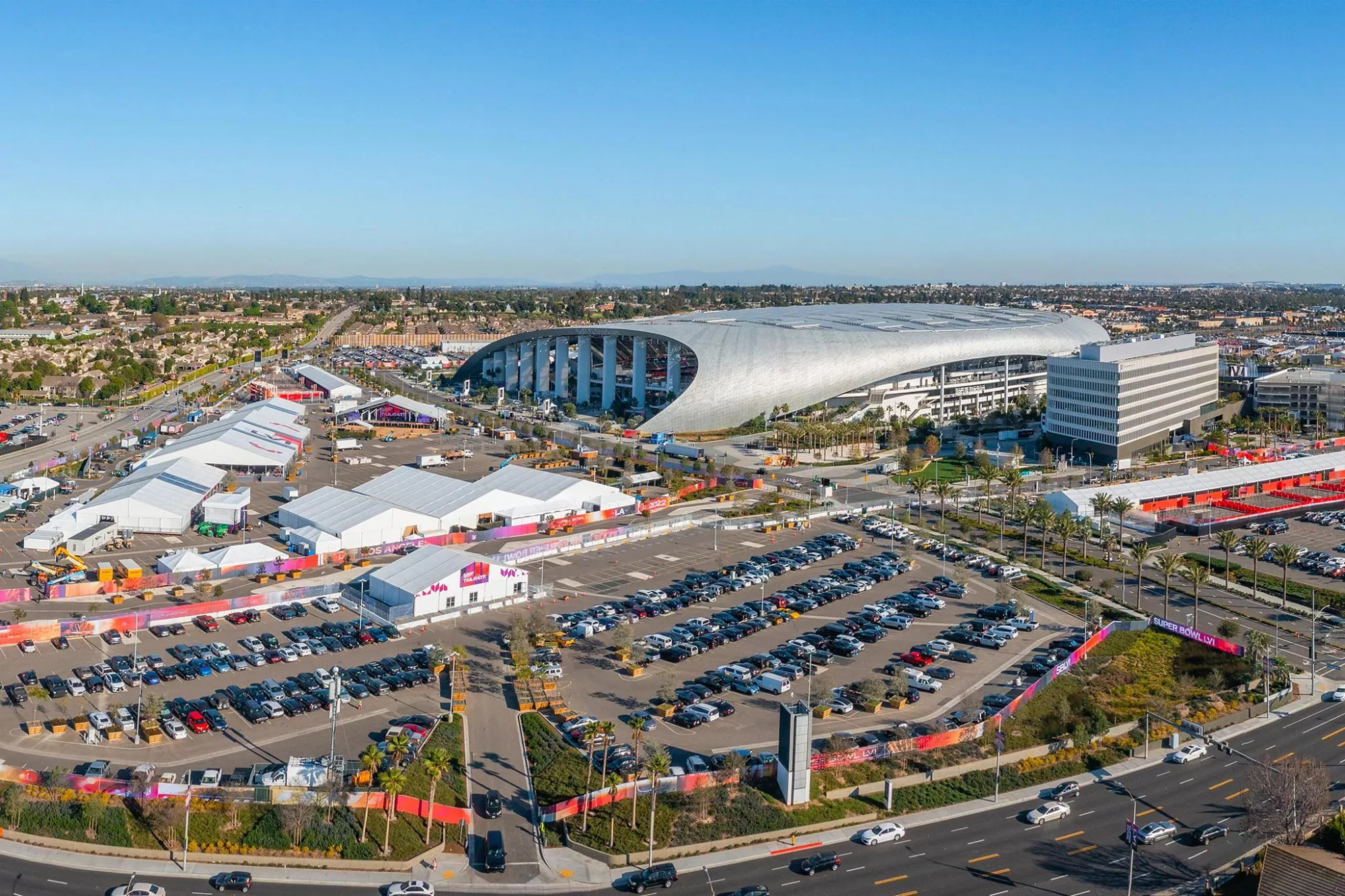
Before winter rain, clear drain bowls, sound overflow routes, and closed membrane laps matter more than a calendar check. We inspect the outlet and trace how water crosses the roof field. Before installing the added layer, we confirm that edge height leaves room for terminations, doors, equipment curbs, and drainage components. Those measurements identify which transitions can remain and which need rebuilding within the recover scope. A drain and scupper correction may need to be separate from the recover when plumbing or structural work is involved. Near Century Boulevard and the Inglewood International Business Park, we confirm the property's entrance, roof access, and staging area with the site contact before mobilization.
Recover system selection
A recover system must be compatible with the existing membrane, attachment, insulation, and expected movement. We review manufacturer requirements for the proposed materials, fastening pattern, adhesives, cover board, and edge details. If the roof has unknown repairs or mixed substrates, we identify the affected areas before selecting a system. The final assembly needs secure perimeter termination and reliable transitions at curbs, walls, and penetrations. A coating may be possible on a prepared surface, while a new membrane may need a cover board or separator. Neither approach is automatic.
Where thermal movement or seams drive the choice, compare the installation conditions for TPO roofing and EPDM roofing against the roof that is actually present. We check whether the existing surface can accept bonding or whether mechanical attachment is more appropriate. A reflectivity goal does not replace drainage work. If equipment curbs need rebuilding, coordinate the roof work with curb and support details. The proposal names the layer, attachment, edge work, and preparation so the owner can compare a recover with tear-off on equivalent terms.
Protection and closeout
Installation still opens the roof in sections. We limit the daily work area, secure the existing assembly where it remains exposed, and make the new work watertight before moving forward. Building operations can affect crane access, deliveries, equipment shutdowns, and tenant notices. At an office, retail area, or industrial lot, we confirm where materials can be staged and which doors or loading lanes must stay clear. On an occupied building, the operations contact identifies active loading areas and any access windows the crew must keep clear.
Before closeout, we check seams, terminations, drains, overflow points, and any interface between existing and new materials. We photograph conditions that remain and give the owner a short maintenance list keyed to roof locations. If a hidden condition requires a change, we show it before adding work. Before material delivery, we confirm the property entrance, loading lane, and work window with the site contact. For an El Segundo commercial roof, we inspect its assembly and access conditions before setting the recover scope.
Related Roofing Work