
Read the layers at a defect
SBS and APP are two common modifier families, but the name alone does not identify the installation method or surfacing. A roof may use torch-applied, cold-applied, or self-adhered sheets, and details must suit the specified product. We review old invoices and visible markings, then inspect a seam or test opening when the assembly remains uncertain. The inspection checks the field, laps, base flashing, penetrations, and termination metal. A built-up assembly uses a different ply construction. We note where a repair crosses from sound material into a worn or wet area.
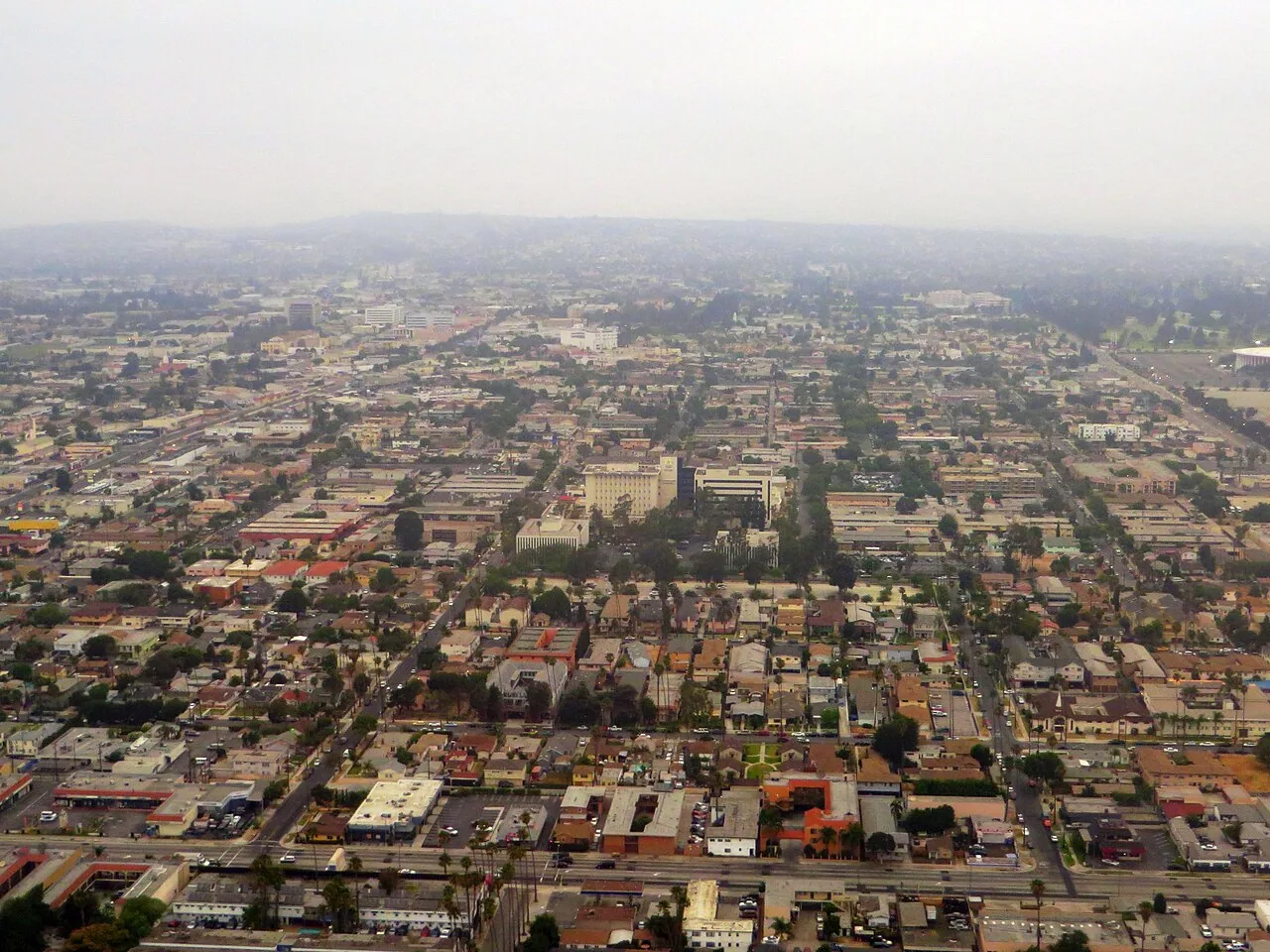
Inglewood's land-use map includes commercial and industrial areas alongside public and mixed-use areas. A warehouse and an office can have different access and equipment needs, so we match the work sequence to the building. A warehouse roof assessment can account for loading operations when that property type applies. The membrane and deck still need direct inspection before scope is set.
Check laps and flashing turns
At each lap, we look for an open edge, wrinkles, fishmouths, surface loss, and patches that have lifted. Water can follow a lap toward an interior leak that appears elsewhere, so we check nearby penetrations and the next low point. Base flashing deserves a separate look where the roof meets a wall or curb. A split at that transition may need new flashing material, secure termination, and a compatible tie-in to the field sheet. Sealant alone does not restore a failed lap.
Repair methods vary with the existing sheet and substrate. We remove loose surfacing as needed, prepare sound material, and install a compatible patch with enough overlap to transfer water back onto the roof. Where the sheet has become brittle or the insulation is saturated, a small patch may leave the underlying cause in place. An active leak trace can help locate the entry path. For a different flexible membrane, compare the assembly with EPDM roof details only when the existing layers support that decision.
Choose the surfacing for the assembly
Mineral granules, coatings, and other surfacing options protect the modified bitumen sheet in different ways. The right choice follows the product, slope, exposure, and intended maintenance. Granules can be displaced or embedded with debris; a coating needs a suitable prepared surface and cannot make wet insulation sound. We look for exposed asphalt, loose cap sheet, cracks, and repair layers that may not bond to the new material. If a surface has been coated repeatedly, we test adhesion before building a new scope on top.
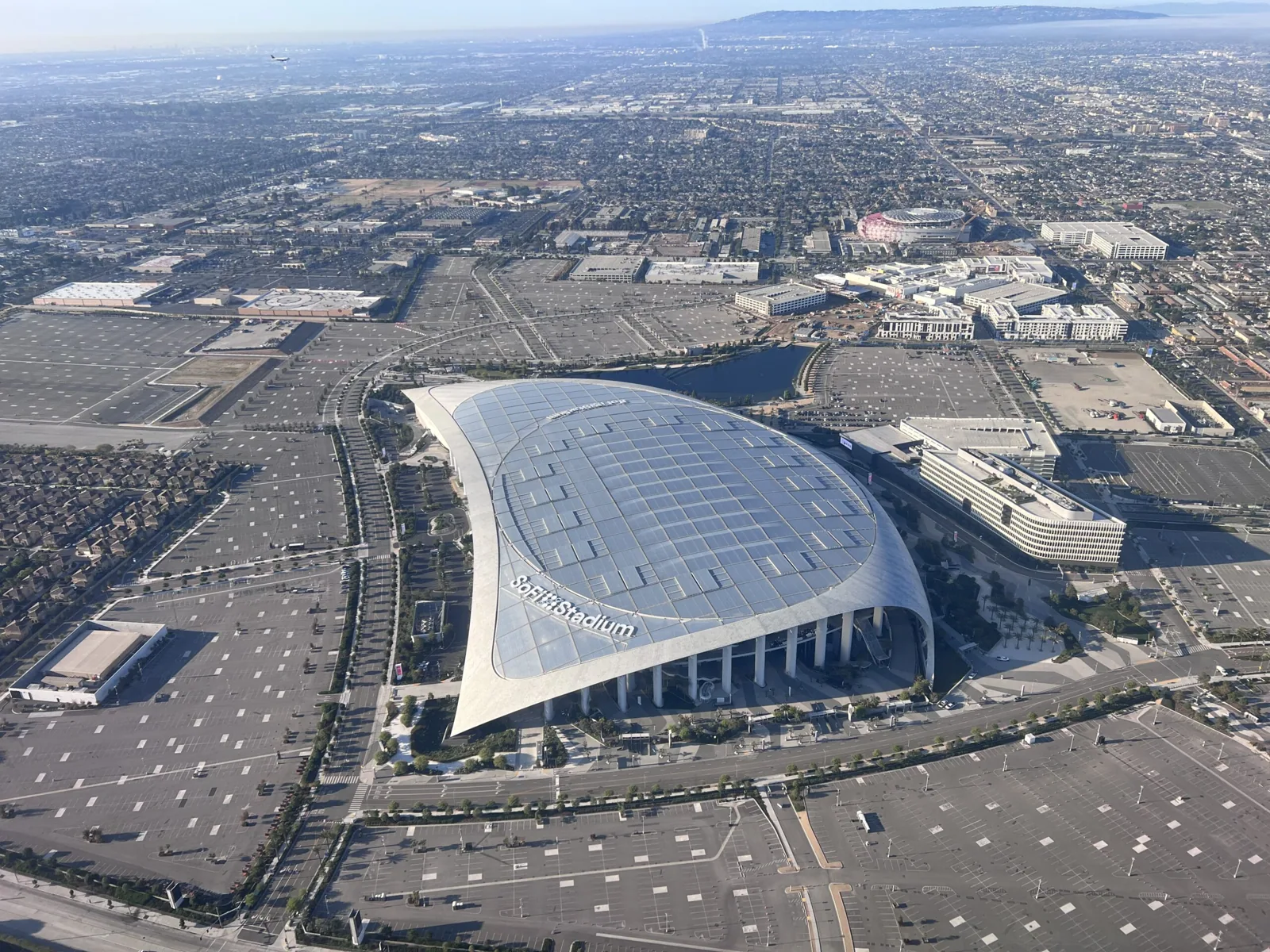
Near LAX, most measurable rain falls in the cooler months, while midsummer usually brings only traces. We inspect the low point and outlet before winter so a lap repair does not leave a drainage issue in the same roof zone. If an assembly needs a coating restoration instead of sheet work, our roof restoration scope addresses preparation and reinforcement separately. We do not apply a surface treatment to conceal a failed layer.
Keep drainage in the repair scope
Modified bitumen can shed water only when slope, drains, and transitions work as a system. We inspect strainers, drain rings, sumps, overflow points, and the material turned into each opening. Ponding near a drain may reflect debris, but a recurring low area can also involve insulation or deck movement. We mark the limit of standing water and check whether it reaches a seam or flashing. A repair proposal should identify whether it includes the outlet, the surrounding roof field, or both.
Along the Century Boulevard Commercial Corridor, we confirm delivery timing, roof access, and staging with the facility contact. We coordinate staging with the facility contact before bringing material to the roof. For an outlet issue, drain and scupper repair can be part of the same work boundary. A Culver City project receives its own site review and drainage plan.
Compare repair with replacement
Isolated punctures, open laps, or damaged flashing can be repair candidates when nearby layers remain dry and stable. Widespread blistering, recurring seam loss, or saturated insulation may call for replacement. We identify confirmed conditions and tests still needed, then describe the repair boundary in plain terms. Replacement scope includes tear-off depth, insulation and cover board, edge metal, drains, penetrations, and disposal. For torch work, the project also needs a fire-safe installation plan suited to the building and applicable requirements.
Changes to insulation or fire controls can make code review part of a modified-bitumen scope. The 2025 Title 24 cycle began on January 1, 2026. We check the application date and local review route before the modified-bitumen assembly is finalized. If the roof remains in service during work, our occupied-building phasing lays out access and end-of-day closure. A capital planning record can separate immediate repair from a later replacement allowance.
Related Roofing Work