
Keep students and staff out of the work zone
A repair above a classroom, cafeteria, gym, or administrative suite may need a different sequence. We confirm the rooms below, the school day, testing or event dates, and the route students use near the work. The scope identifies where temporary protection is needed and whether a short closure or after-hours window makes sense. On the roof, we check the reported area and nearby penetrations before deciding whether the opening is local or extends past the first seam.
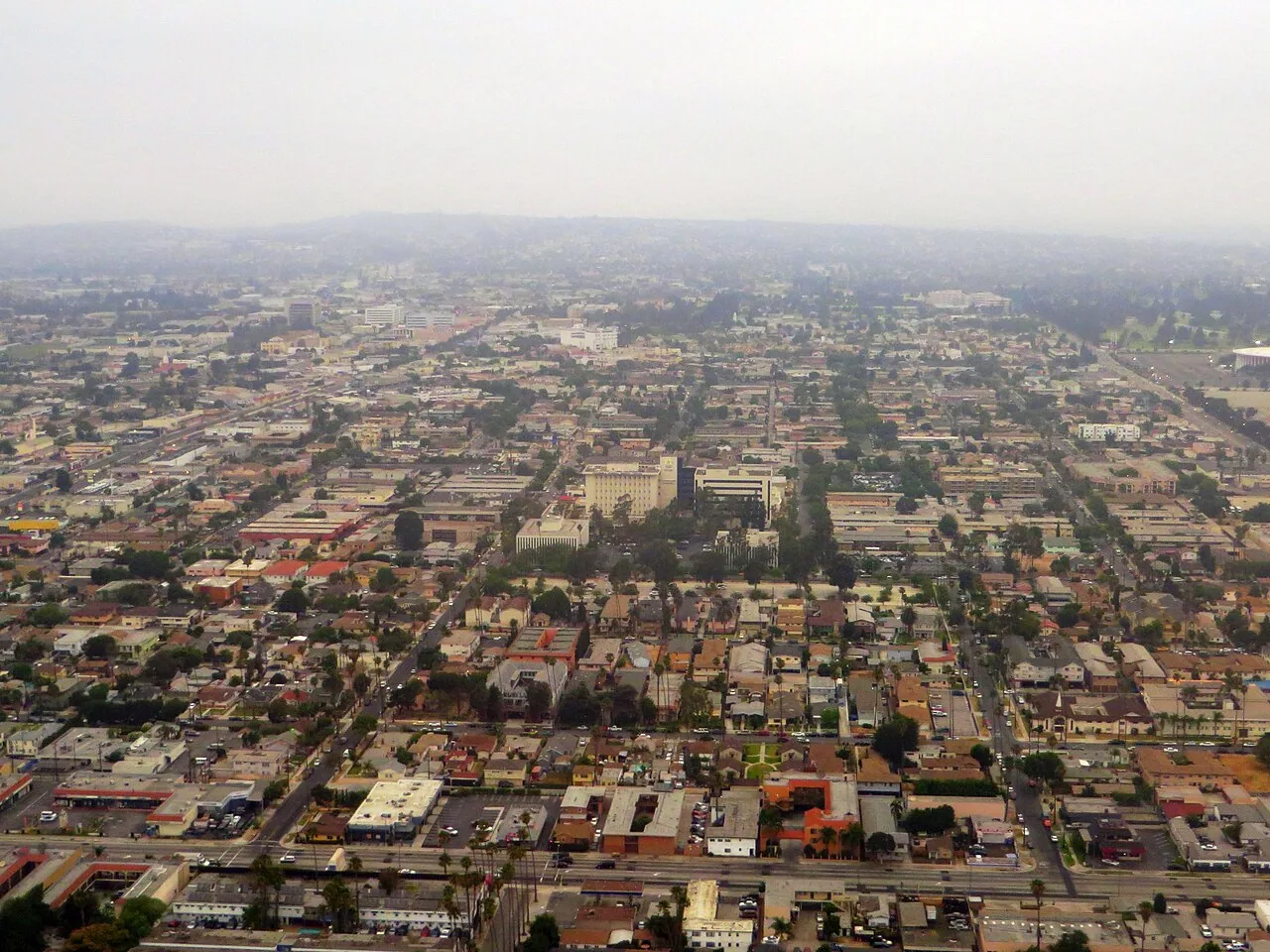
The Downtown Inglewood TOD plan covers about 585 acres around the Metro K Line station and sets development standards for applications in that area. The Downtown Inglewood Transit-Oriented District map names Historic Downtown, Civic Center, TechTown, and Queen Street. Those districts help locate a campus for dispatch; school staff provide the entrance and schedule. For a campus near Downtown Inglewood, we confirm address, school access, and work rules with the district. A school roof inspection ties findings to the building and rooms it serves. Our daily closeout also records the opened roof zone, temporary cover, and the person who approved the end-of-shift condition.
Follow the leak above the room
The ceiling mark identifies where water surfaced; the roof walk follows the path to seams, penetrations, and wall junctions that may have admitted it. We inspect seams, flashing, roof penetrations, drain bowls, scuppers, and parapet edges along the likely water path. A failed boot or open seam can support a local repair. Moisture evidence continuing past that detail may require a survey or selective opening before quantities are fixed. The roof leak repair scope says what can be repaired now and what needs more inspection.
The LAX station report records that measurable precipitation is concentrated from late fall through early spring, with only traces common in July and August. A roof that appears dry during summer still needs a drain and edge check before winter weather. We note blocked outlets, low areas, and separated transitions when they are visible. For a moisture question that cannot be settled from the surface, an infrared survey may help identify where to verify, while a test cut confirms the assembly at the selected point.
Set work between school activities
School work windows may depend on summer recess, holiday closures, athletic events, testing, and the arrival of staff before students. We ask which dates are fixed and which areas can be isolated. A roof replacement can proceed by zone when the building can stay protected at each daily stopping point. We schedule noisy work and material movement with the district contact, identify a safe path around the campus, and record who can authorize a change once the crew begins.
Inglewood’s General Plan map labels Century Boulevard and Prairie Avenue among the city routes. Neither tells us a campus's current operating schedule. We verify the district's delivery entrance, visitor procedure, and any limits around student drop-off. A school-day roofing sequence can keep notice, room protection, roof-zone order, and daily dry-in in one plan that facilities can review before the first work window. We confirm the daily contact and a route for moving tools without crossing student arrival or dismissal paths each day.
Prepare a scope the district can review
A public owner needs a scope that explains the observed condition, recommended work, access impact, and what could change after opening the roof. We label photos and show the repair boundary so maintenance, purchasing, and administration can review the same evidence. The package can identify whether the next step is an approved patch, a test opening, or a scope for a larger project. We also identify rooms or campus routes that need temporary protection, access coordination, or notice. These details let the district evaluate the roof work alongside its calendar and purchasing process. If several schools need work, each building receives its own assembly notes, condition record, and action list. A roof condition report can capture the evidence for planning and future comparison.
Inglewood Building Safety reviews plans, issues permits, and inspects projects. California's 2025 building and energy standards took effect in 2026, making permit timing and project type relevant to some roof alterations. The district should confirm the applicable path with the City and project design team. A capital schedule can list the roof work, campus window, approval status, and follow-up investigation without turning an estimate into a final commitment.
Choose the next school-year scope
One damaged flashing may be repairable between terms. Repeated seam failures, broad moisture, or an aging assembly may call for a larger restoration or replacement discussion. We compare the evidence and explain cost drivers such as insulation, deck condition, edge metal, equipment work, roof access, disposal, protection below, and schedule. A replacement assessment can show which work may be completed during a defined break and which area needs more investigation first. Before any roof is opened, we agree on where removed material can be staged, how staff can reach the building, and what temporary cover will protect the interior at the end of each shift. If testing finds a change in deck or insulation condition, the district receives the new evidence and a revised boundary before added work proceeds. That record helps keep a short leak repair distinct from a planned campus project.
A district facilities group can coordinate with its public-agency purchasing team on records and approvals. If healthcare or adult-education buildings share a campus, a separate clinical facility review can account for those service requirements. The roof scope stays tied to each building. After work, we provide completion photos and any remaining monitor item so the next inspection can compare the same roof detail.
Related Roofing Work