
Start with the wet area
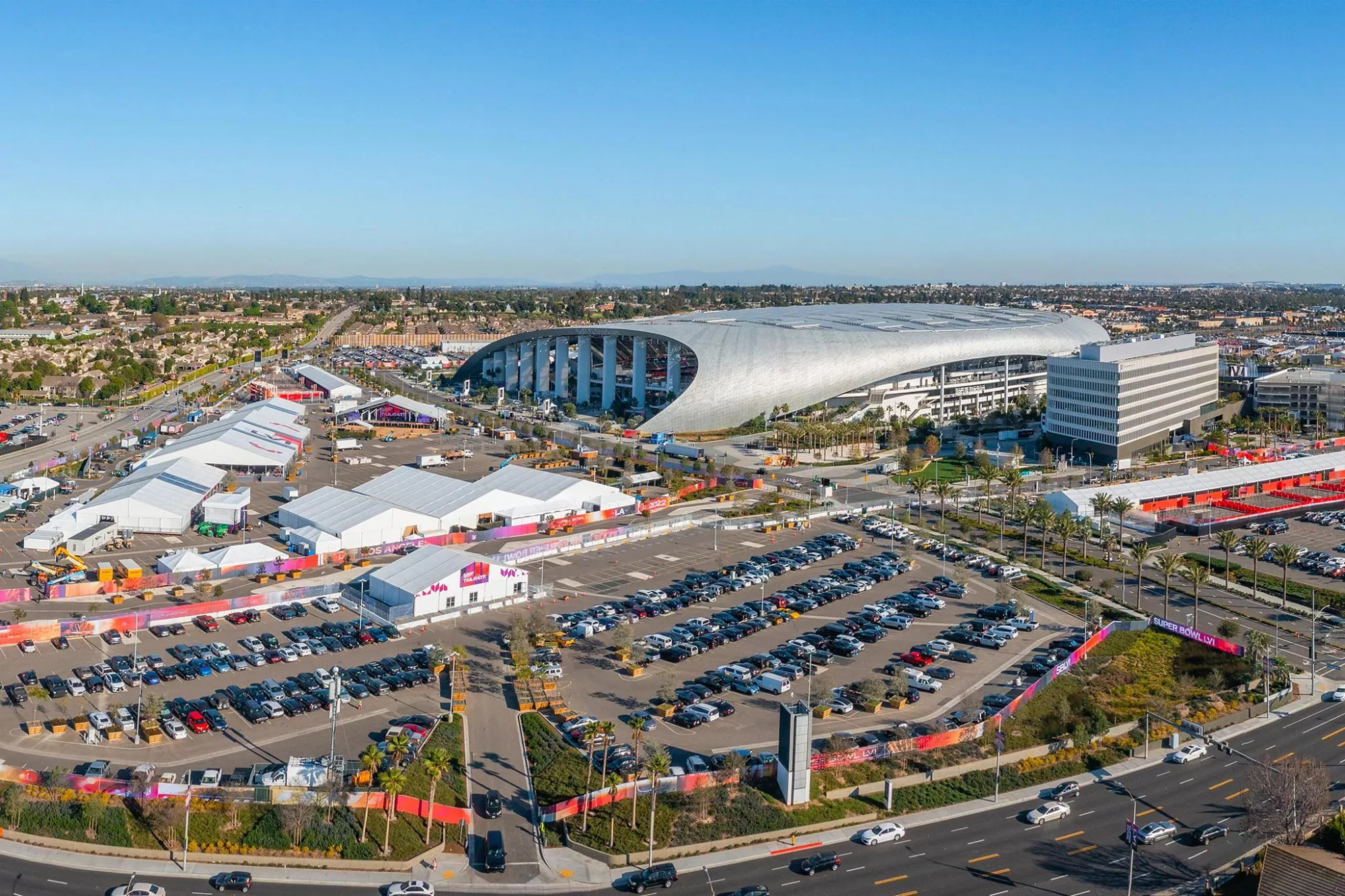
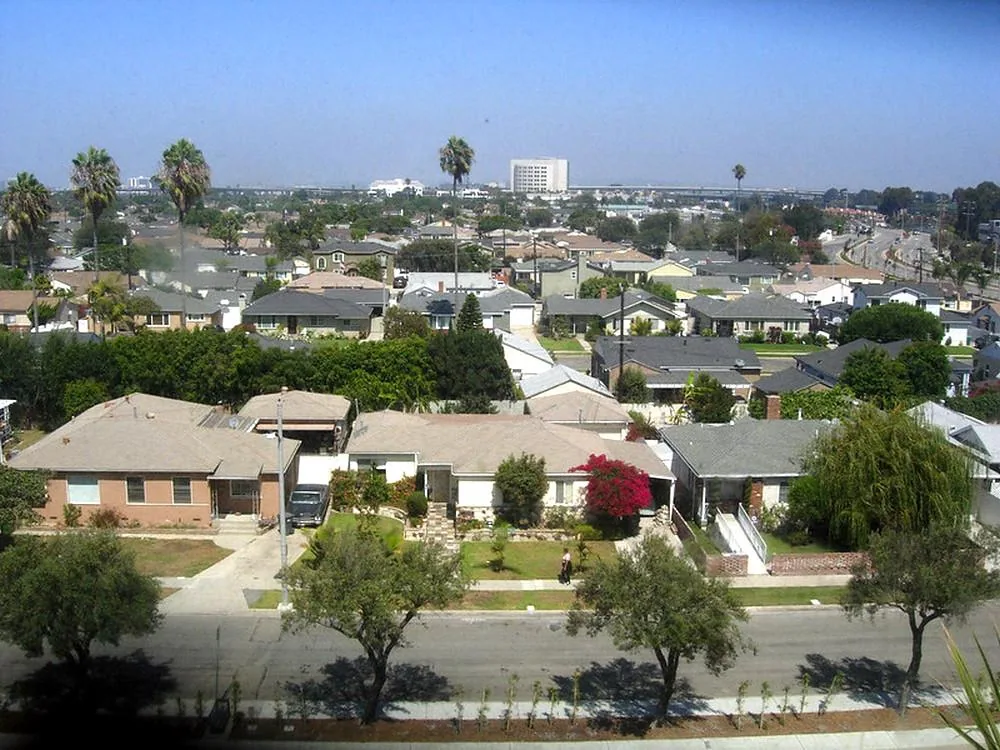
A ceiling mark points to a symptom, not necessarily to the opening above it. Water may follow a seam, insulation joint, curb, or deck slope before reaching a room. We trace the path and note surface changes, debris, and whether a drain bowl accepts water. Near LAX, marine air and short-distance changes in cloud, humidity, rain, and temperature shape the coastal-plain pattern. We compare the Hawthorne roof’s visible condition with the affected room or equipment before setting the scope.
Access also shapes the first walk. A secured ladder, occupied office, production area, or rooftop unit can affect where we start. We confirm who can authorize entry and which spaces must stay clear. A puncture beside a curb needs a different boundary than a loose edge or open seam. A focused commercial roof inspection can document those details before a larger scope is considered.
Follow the drainage route
The roof field carries water toward bowls, scuppers, and outlets; laps and penetrations need to stay watertight along that route. We look for sediment, debris, displaced strainers, low areas, and water that has crossed a seam. A dry day does not show winter performance. Near LAX, most measurable precipitation falls in the cooler season, while July and August tend to bring only traces. Before that period, we inspect Hawthorne roof drainage, seams, and transitions.
Water that travels across the assembly may leave damage beyond its entry point. We check membrane bond, insulation, and deck support. If moisture appears wider than the visible symptom, a controlled opening can confirm what a surface walk cannot. That evidence helps compare a patch with selective removal and keeps coating from hiding a drainage issue. On a compatible assembly, preventive roof maintenance can put drains, seams, and flashings on a recorded cycle.
Mark what the repair includes
A useful repair scope names the defect, adjacent material, and stopping point. We list an open seam, loose flashing, puncture, or failed sealant separately from surface wear. The repair material must suit the existing system and tie into sound material. We note visible conditions and identify any hidden layer that needs an opening. Where older patches meet newer membrane, each boundary gets its own record.
The roof walk begins with the property address and reported symptom. We identify the assembly and access limits before recommending a repair or wider review. A facility contact may want immediate leak control while planning a wider review. We can separate stabilization from restoration and explain each scope's limits. Photographs, inclusions, and conditions that could change the recommendation belong in the written commercial roof repair estimate.
Keep the work window practical
Roof work can affect people below. A repair over reception needs a different sequence than one over locked storage. Before opening the roof, we coordinate the access point, material staging, noise-sensitive hours, and ceiling protection. A tenant contact helps keep the affected area small and confirms when work must pause. Where rooftop equipment is present, we check service clearances and coordinate with the responsible trade. Those choices shape the work window without changing the diagnosis.
Replacement is a separate decision. We review layers, wet insulation, deck condition, drainage, edge height, and sound material for tie-ins. A recover works only when the assembly and code path support it; adding a layer is not automatically faster. A TPO system is one option, subject to the roof and the owner's priorities. We compare repair, restoration, recover, and tear-off by access, remaining material, timing, permits, shutdowns, and tenant needs.
Price and duration follow the confirmed scope. A small seam repair may require little material but still involve roof access, equipment clearances, or interior protection. A broader removal can add disposal, deck work, temporary dry-in, and more tenant coordination. We identify those drivers before presenting a number and mark any hidden condition that could change the work. If an owner needs an immediate response, we can stabilize the entry point first, then return with a permanent repair scope after the assembly is understood. That sequence protects operations while keeping the long-term decision tied to evidence.
Where an office or shop stays open, we identify which route remains available and when tools or materials cross it. The contact receives the planned start, daily dry-in point, and the person who can approve a pause if the surface or weather changes. These limits are part of the repair scope, not a substitute for inspecting the roof.
Leave a record the next contact can use
Closeout should make the next decision easier. We label photographs by roof area, list completed repairs, and identify items still open. If moisture was found, the record separates confirmed wet material from an area needing a test opening. A manager can compare it with the next inspection or capital review. A manager who missed the roof walk can compare the before-and-after photos, see which detail changed, and find where the repair stopped. If a test was deferred, the closeout names its purpose and the condition that would trigger a return visit.
The roof visit turns on access, assembly, and the condition visible at the property. We can review an active leak, prepare a maintenance scope, or discuss replacement timing after documenting the roof. We can review an active leak, prepare a maintenance scope, or discuss replacement timing after documenting conditions. Share the building use, symptom, and access limits. We will explain the repair boundary and next work window. Nearby work includes Gardena, El Segundo, Lawndale, Culver City, and Manhattan Beach.
Related Roofing Work