Drain and overflow checks
Debris at a primary drain, a blocked strainer, or an obstructed overflow can hold water against seams and flashings. We clear accessible outlets, photograph the condition, and check whether the roof surface directs water toward them. A drain that is open at the top can still have a line problem below the membrane. If water remains after a reasonable drying period, the next step is to map the low area and determine whether slope, a crushed line, or a structural condition needs a different trade.
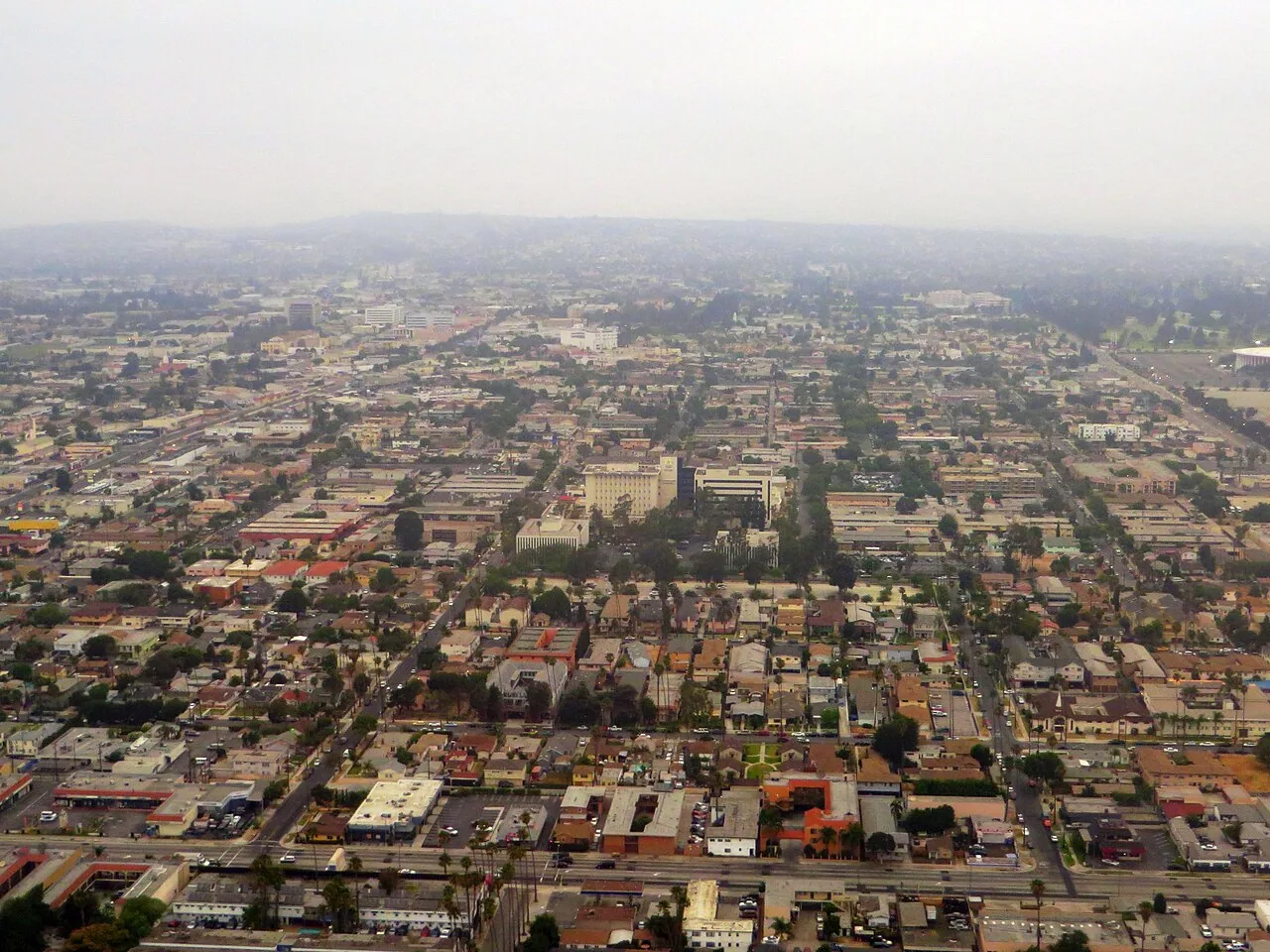
Spring and summer daily temperature ranges on the nearby coastal plain usually stay below 15°F, while winter brings most measurable rain. For a maintenance route, that puts drains and seams near the top of the pre-rain checklist. Century Boulevard, Manchester Boulevard, and Prairie Avenue are major Inglewood corridors, but street names do not tell us where any property drains. We check the actual roof, including scuppers, crickets, and overflow routes. A focused drain and scupper correction belongs in the maintenance record when cleaning alone will not restore flow.
Seams and penetrations
At a membrane seam, maintenance means looking for separation, fishmouths, edge lift, or a repair patch that no longer holds. The defect has to be traced to its boundary before another layer of sealant is added. We inspect around curbs, pipe boots, skylights, and wall transitions, where movement and standing water can work on the same detail. A small opening may call for a localized repair. A line of similar failures can point to an attachment or compatibility question that should be tested before the scope grows.
Manchester and Florence carry different mixes of commercial uses than the industrial designations shown near Century Boulevard. A map cannot identify a roof assembly or its repair history. During the walk, we note the membrane type where it can be identified, nearby equipment, and the condition around every penetration. When a leak is reported inside, we compare that location with the roof above and follow the water path rather than assuming the nearest curb is responsible. Related skylight and penetration flashing work can be recorded separately from routine cleaning.
A useful maintenance record
A record should help the next person find the same defect without searching the full roof again. We label each photograph by roof area or a clear landmark, note the observed condition, and separate completed maintenance from recommended work. The note should say whether a seam is open, a drain is obstructed, metal is loose, or a patch needs a closer look. It should not call an area sound when it could not be inspected or turn a thermal image into a diagnosis.
Building Safety in Inglewood reviews plans, issues permits, and inspects work. If maintenance reveals a repair that changes the roof assembly, we confirm the applicable permit pathway before pricing it. A roof condition report can keep photos, locations, and recommendations together for budgeting. If the review finds a wet area that extends beyond a visible detail, an infrared moisture survey paired with selective openings may help define the boundary. The report remains useful because it distinguishes what we saw from what still needs testing.
Work around building use
Maintenance has to fit around tenant access, deliveries, rooftop equipment, and any area that cannot be crossed during operating hours. We confirm the access point and the route to the roof before arriving. If a tenant has equipment or stored materials below a work zone, the property team can identify it before debris is moved. The plan also sets a safe staging area and a place to document any condition that needs the owner’s decision.
Inglewood's historical development spans office, retail, and industrial projects, and its land-use pattern includes commercial, industrial, residential, public, and mixed-use areas. Those broad patterns do not identify a parcel's current use or roof. We ask what operates inside this building and which hours matter. A phased roof work plan may be appropriate when maintenance becomes a larger repair over an occupied area. A roof walk for a Hawthorne commercial property starts with that building’s access and condition. It does not borrow a schedule from an Inglewood address. El Segundo has its own properties and limits as well. We confirm the roof entry, operating hours, and staging point for each assignment before setting the maintenance sequence.
Set the next work window
The right maintenance interval depends on roof condition, nearby trees, equipment changes, drainage behavior, and how much activity takes place above the ceiling. A roof with recurring debris at outlets may need more frequent cleaning than a clear field with stable details. We set the next visit around observed conditions, not a universal promise. After significant wind or a report of water entry, an additional look can document whether a known repair boundary has changed.
A follow-up visit after a wind event or equipment change can compare the same outlet and seam photographs with the previous walk. The condition of each drain still has to be checked at the roof. A new stain belongs in the record even when the earlier inspection found no open seam. On Century Boulevard or near the Inglewood International Business Park, the property’s own exposure, tree cover, and access control the maintenance plan. If coating restoration is being considered, we first document whether the existing surface is suitable through roof coating restoration evaluation. A recurring list of defects may instead support roof asset management for multiple buildings.
Related Roofing Work