
One roof, one condition record
A useful asset record does not reduce a roof to a single score. We identify the field membrane or panels, seams, flashings, penetrations, drains, perimeter metal, and the areas where water has entered. Photos tie each note to a roof location. The record distinguishes a confirmed defect from a question that needs a test cut or another visit. That keeps a small open seam from turning into an unsupported claim that the entire roof has failed. Use the same location labels from one visit to the next: building, elevation, section, and detail. A photo marked “north drain” is useful only when the roof sketch shows which drain the next crew should revisit.
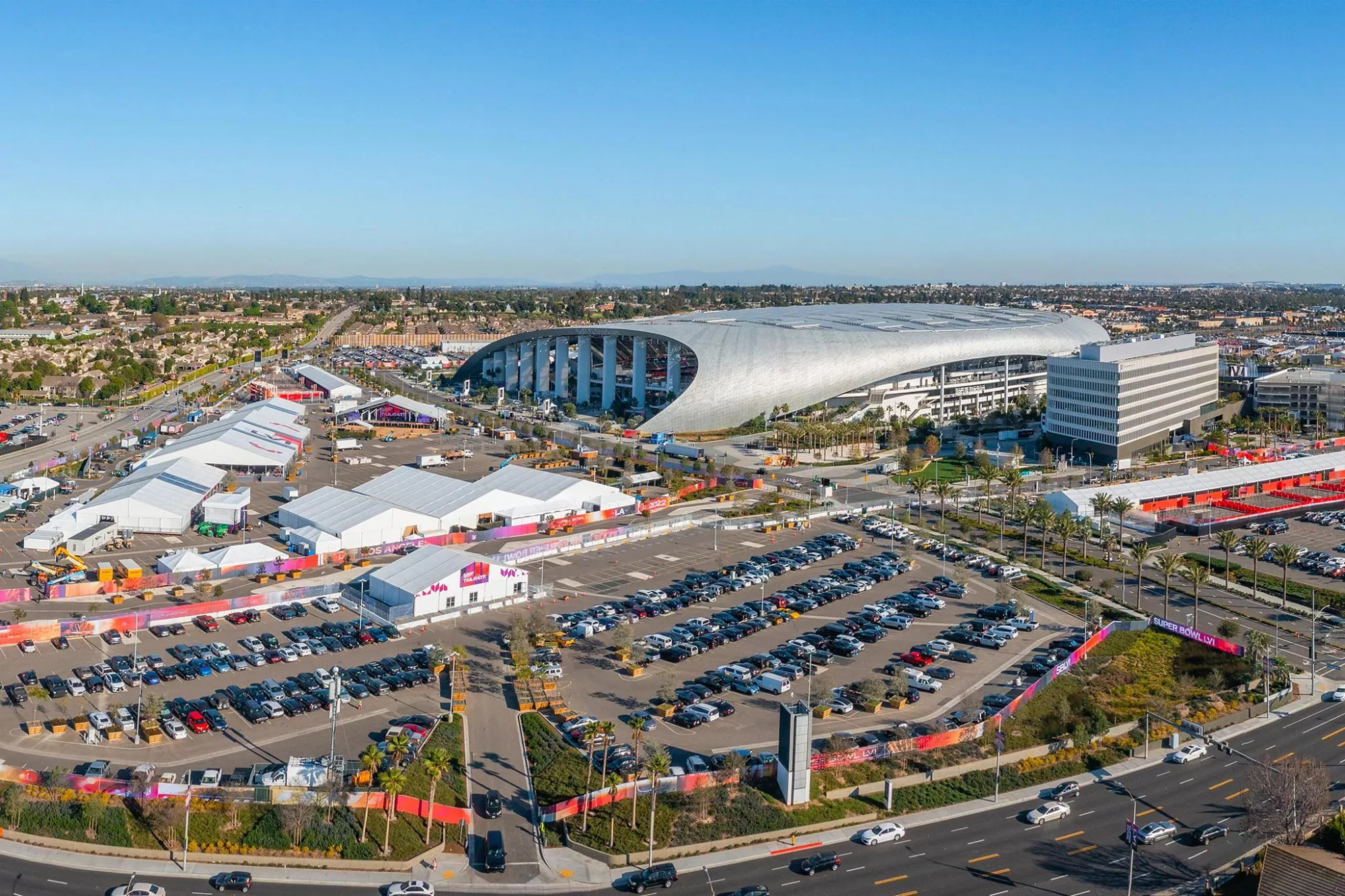
For a portfolio owner, we also record the building use, access limits, prior repair dates, and the person who can approve work. A warehouse with daily deliveries needs a different work window from an office or a medical space. The condition report gives the next person a location and a visible reason to return. Inglewood International Business Park includes commercial, industrial, and research uses across a broad employment area. Confirm each property's assembly and operations instead of assigning one roof profile to the whole portfolio.
Keep repair history in a form that supports a decision: note the defect, the material touched, the area left in service, and the check that will show whether the repair held. If those details are missing, we revisit the roof before comparing it with another asset.
Repair history with a boundary
Repair notes matter when they show what changed. We connect the reported leak to the seam, curb, drain, wall edge, or roof field that was inspected. If the source remains uncertain, the record says so and identifies what would confirm it. A later visit can then compare the same detail instead of starting with a vague repair note. A leak-tracing visit can separate a local opening from a longer water path beneath the membrane.
Century Boulevard is a busy commercial corridor, with Manchester Boulevard, Prairie Avenue, and Florence Avenue providing local orientation. Those locations help organize service records, but they do not establish a roof's condition or access route. We record the address and access contact on the work record, then keep the repair scope focused on the roof. A business-park assessment still starts with the individual building, its roof plan, and its operating restrictions.
Priority by exposure and consequence
Two roofs with similar age can need different attention. A ponding area above an electrical room may deserve a faster visit than a stable surface blemish over a low-risk space. We mark active water entry, open seams, loose edge metal, blocked drainage, wet insulation, and any condition that could affect safe access. Then we connect each finding to the building's use and the cost of delaying the decision. The maintenance plan can carry routine checks, while a repair scope addresses a known failure.
Historical commercial development in Inglewood included office, retail, and industrial projects; those older job figures do not describe today's roof inventory. It does support a practical portfolio question: do the records distinguish buildings by use and current condition? We rank work by evidence, exposure, access, and operating impact. A capital plan can then show which items are urgent repairs, scheduled maintenance, or replacement candidates, with assumptions kept visible for review.
Assembly details change the schedule
Before setting a service interval, we identify the roof system and its vulnerable details. Single-ply seams, metal panel joints, coating transitions, and built-up roof penetrations each need a different inspection lens. We note the locations where ponding, movement, or repeated repairs have changed the maintenance burden. If the assembly is unknown, we say what can be confirmed from the surface and what requires a closer opening. A TPO system review is not interchangeable with a check of standing-seam metal.
After winter rain, compare drainage and edge details on each roof; a regional pattern cannot establish which surface conditions exist at one property. We compare roof photos and repair notes from one visit to the next. If a coating is under consideration, we first verify adhesion, moisture, and the remaining condition of the underlying assembly. A coating evaluation should not hide wet insulation or an unresolved leak. The asset record preserves that distinction so a future budget decision starts with the assembly, not a product label.
Set the next useful review
The next inspection date should follow the roof's condition and the work completed. We set a return point for a repaired detail, a drain that needed cleaning, or a transition that could not be opened during the first visit. The record names what to look for and which photos to compare. If a repair changes the water path, the next review checks the adjacent field and interior report as well. That is more useful than assigning every property the same calendar reminder.
To organize a portfolio review, send roof plans, repair logs, leak locations, building uses, and access restrictions. We walk the selected roofs, label each finding, and explain which work can be handled now and which needs more investigation. The Century Boulevard Commercial Corridor and Inglewood International Business Park give the portfolio a local frame. When a portfolio crosses municipal boundaries, we keep each roof record and access contact under its own property rather than merging neighboring conditions. Ask for a multi-building roof program when records, approvals, and work windows need to line up across several properties. The result should be a clear next action for every roof, not one broad rating for all of them.
Related Roofing Work