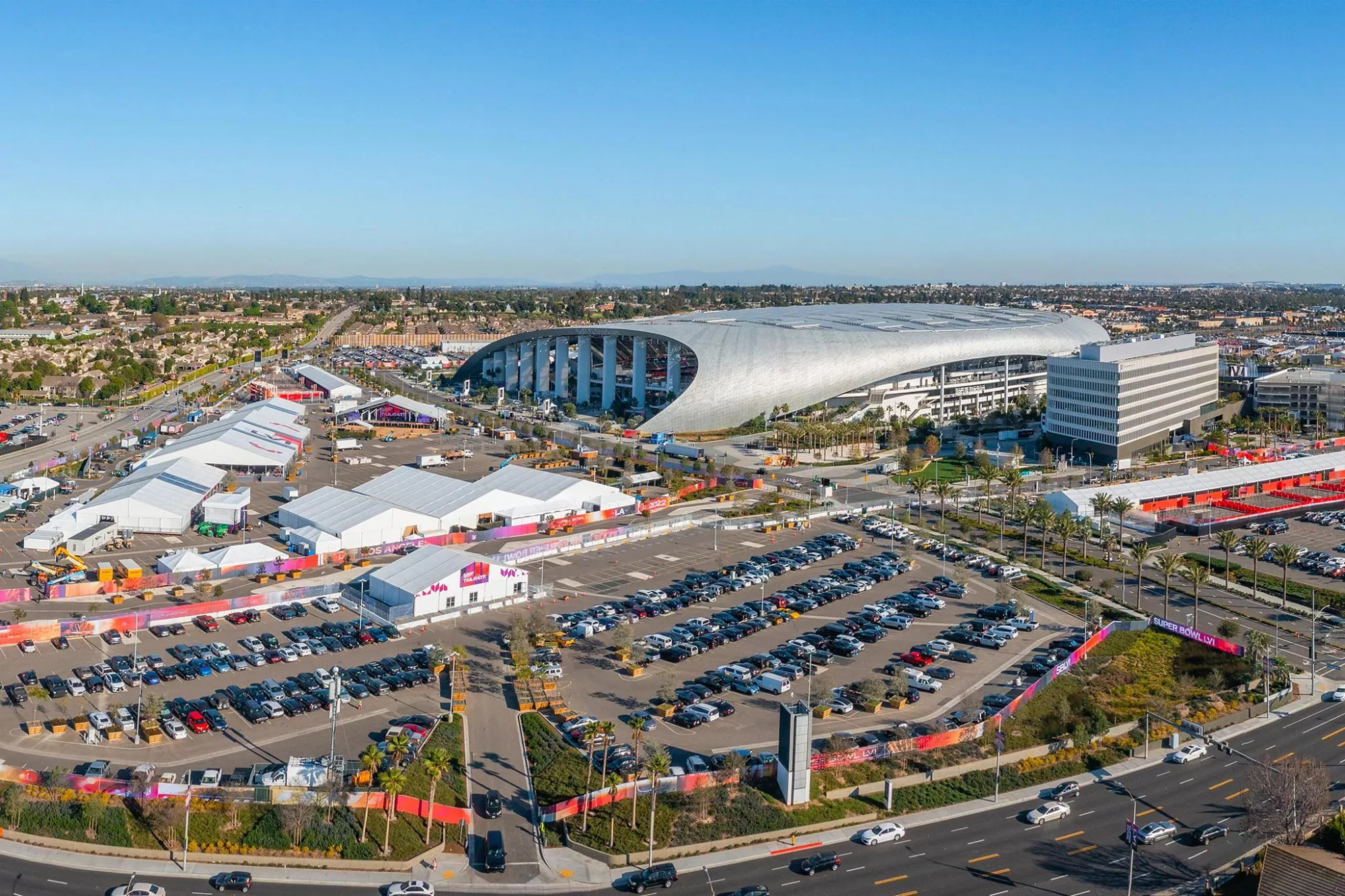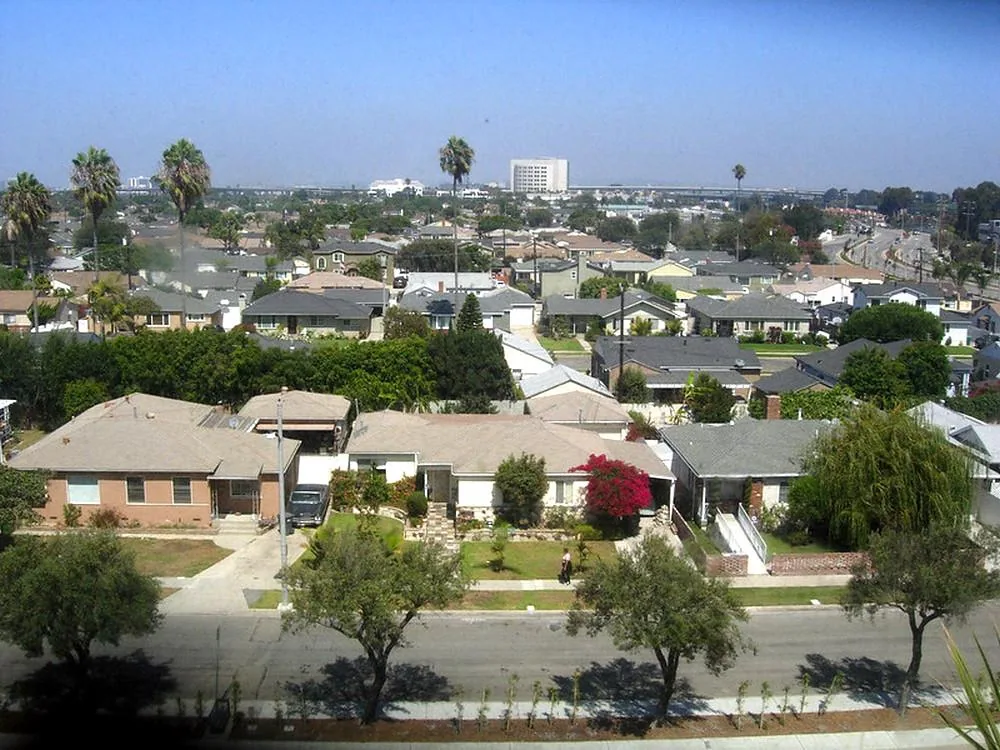

Plan around the parcel entrance
Traffic on a commercial corridor can affect deliveries, lift placement, and material staging. We check where a truck can enter, whether loading requires coordination, and which tenant or pedestrian paths need protection. A map shows regional streets, including I-105 and I-405, but it cannot confirm a property's gate, roof hatch, or approved work area. The site contact gives us those limits. Before a roof opening, we identify the interior area below and agree on protection and who will receive the findings.
Office, retail, and industrial work call for different access windows and coordination, but the corridor name does not establish which use occupies a given building. We confirm the actual property and roof. A warehouse, office, or retail occupant can impose different operating limits, but we ask rather than assume. A staged reroof plan should state the work area, access route, noise period, and handoff point. A roof inspection records existing materials and open conditions before a larger scope is priced.
Locate the source before sealing
A wet ceiling near a loading bay may sit below a seam, curb, wall, or drain farther across the roof. We compare the room report with the roof plane and follow the likely water path. At the edge, we check termination metal and fasteners. Near equipment, we check curb flashing and movement. Around an outlet, we inspect the membrane connection and overflow. A surface patch without a confirmed boundary can leave the route open or hide a condition that calls for a test opening.
Inglewood's coastal plain has marine air, low cloud, mild conditions, and more measurable rain in the cooler season. Those regional patterns do not identify what is under a Century Boulevard roof. We inspect the actual membrane and insulation and note whether water marks or soft areas appear. A commercial leak repair can identify the confirmed entry detail and distinguish it from a suspected route. If concealed moisture matters to the decision, an infrared survey may help select follow-up points when the roof surface and conditions suit that method.
Check drainage at each roof plane
Drainage performance depends on slope, outlet spacing, and what has changed since the roof was installed. We look for debris, sediment, ponding marks, blocked strainers, and seams that interrupt flow. A roof may drain toward a primary bowl while an overflow waits behind a parapet. We inspect both routes and note whether a low point is in the membrane, insulation, or deck. If the water path remains unclear, a controlled opening can show whether the lower layers are wet.
Winter rain is a more useful planning condition than a dry summer inspection for outlet checks, but it is not a parcel forecast. We record the actual drain and membrane details and explain which maintenance item can be handled immediately. A drain and scupper scope can separate outlet repair from the roof-field work. A recurring maintenance visit can list strainers, overflows, seams, and edge metal to be checked. That keeps the next review tied to the same roof areas.
Choose repair or replacement from the layers
We match repair material to the existing roof. A membrane patch needs compatible sheet, secure attachment, and a clean tie-in. Metal details need stable fasteners and a termination that handles movement. If several seams have separated or moisture reaches the insulation, a narrow repair may not address the full failure. We document the evidence, then compare a bounded patch with selective removal, recover, or tear-off. A recover only belongs on the table when existing layers and code review support it.
For reroof work, Inglewood's building safety office handles plan review, permits, and inspections. The 2025 California standards cycle began January 1, 2026; the filing date and roof alteration scope determine which provisions need review before mobilization. Disposal, deck replacement, temporary dry-in, tie-ins, and access control influence price and timing. For an existing single-ply roof, TPO seam work differs from a standing-seam metal repair. We verify the system before specifying either approach.
Carry the field record into the next review
A corridor property may change hands or management while the roof remains in service. The inspection record should make the next visit easier to compare. We label photographs by roof section, note materials observed, and mark the repair edge. If an opening exposed moisture, we state the location and the limits of the finding. Items that still need review remain separate from completed work. This makes a repair history useful to the next facility contact and avoids attributing one parcel's condition to another.
Century Boulevard connects directly with LAX, and Inglewood has regional freeway access. Neither fact identifies how a specific roof was installed. We rely on the inspection, records provided by the owner, and visible transitions. A photo-based condition report can track changes over time. Tell us the building use, current symptom, and access rules. We will mark what is confirmed and explain what a patch, opening, or reroof would involve. Other nearby service areas include Inglewood International Business Park, Morningside Park, and the Prairie Avenue overlay area.
Related Roofing Work