
Start with the roof condition
We check the membrane, insulation, deck, drains, and perimeter before comparing reflective systems. If the roof has trapped moisture, a new surface can conceal the condition without solving it. If the substrate is stable, the next questions are compatibility, attachment, warranty terms from the manufacturer, and how the assembly handles movement. We also review rooftop traffic and equipment because a highly reflective field still needs service access and durable flashing at every curb.
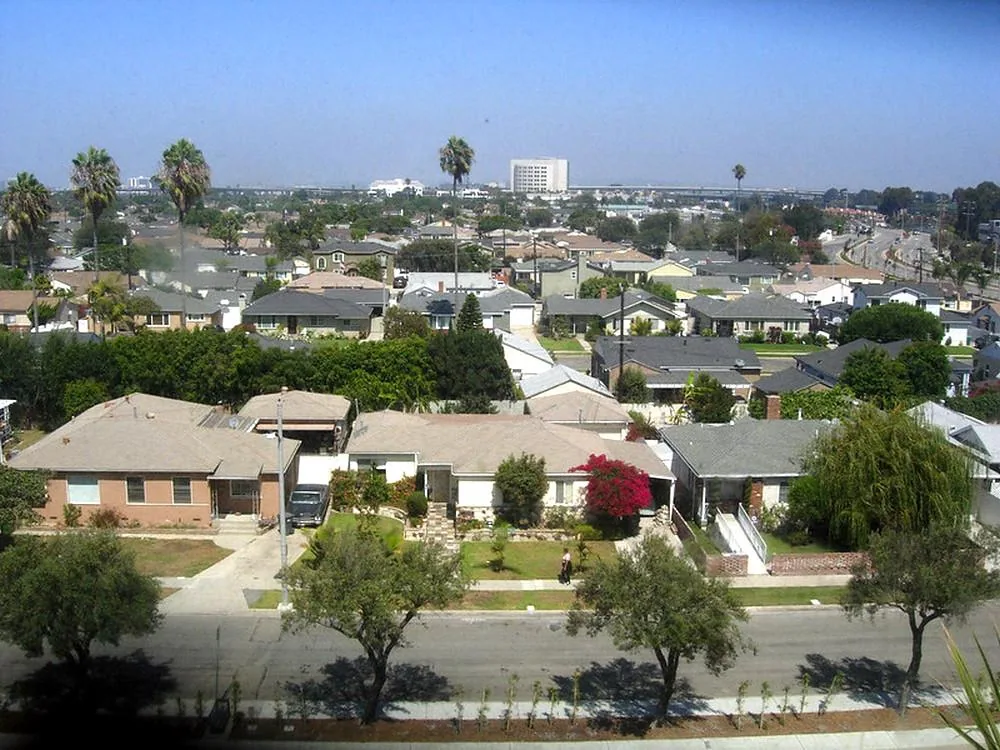
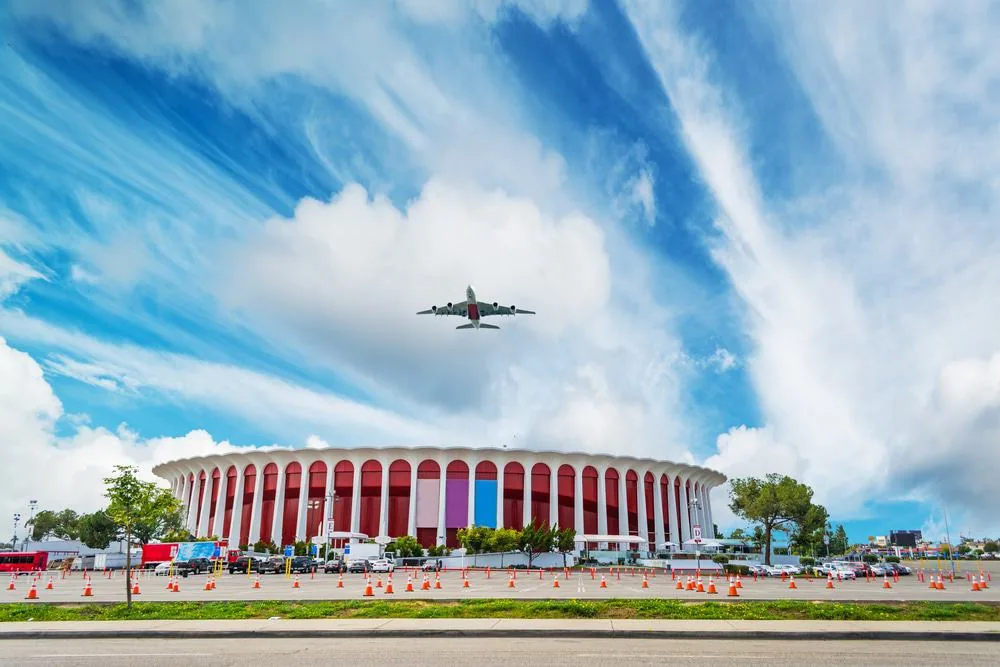
Low clouds and marine moisture are part of the coastal setting around Inglewood, while humidity, rain, and temperature can shift from one nearby area to another. Use that pattern as regional context, not as a building-level cooling forecast. An assembly near El Segundo may differ from one in the Inglewood International Business Park. We document the actual layers, drainage, and equipment before recommending a reflective surface. A moisture survey can help identify areas for selective openings before a new system covers the field.
Compare reflective approaches
A reflective membrane, an applied coating, and a conventional roof assembly have different preparation and maintenance needs. We compare surface reflectance requirements, seam construction, repair methods, foot traffic, and compatibility with the substrate. The product data describes the material, but the building’s roof geometry determines how the system is installed. A coating needs a suitable surface and continuous detailing; a membrane needs secure attachment and welded or adhered seams. We write down the selected approach and why it fits the roof evidence.
Cooling performance depends on more than roof color. Insulation, HVAC condition, ventilation, occupancy, shade, and operating hours affect the result. We do not translate reflectance into a specific utility reduction. Instead, we identify whether the owner is addressing rooftop temperature, energy code, roof life, or a combination. A TPO system and silicone coating may be evaluated when their assembly requirements match the existing roof. If it does not, a coating review or full replacement scope may be more appropriate.
Check the permit and energy path
California’s 2025 Building Energy Efficiency Standards apply to building permit applications submitted on or after January 1, 2026, and roof alterations may need project-specific review. The required assembly depends on scope and the applicable provisions. In Inglewood, Building Safety handles plan review, permits, and construction inspection. We describe the proposed roof layers and leave a compliance determination to project review. A reflectance specification alone does not show whether an alteration meets the applicable energy requirements.
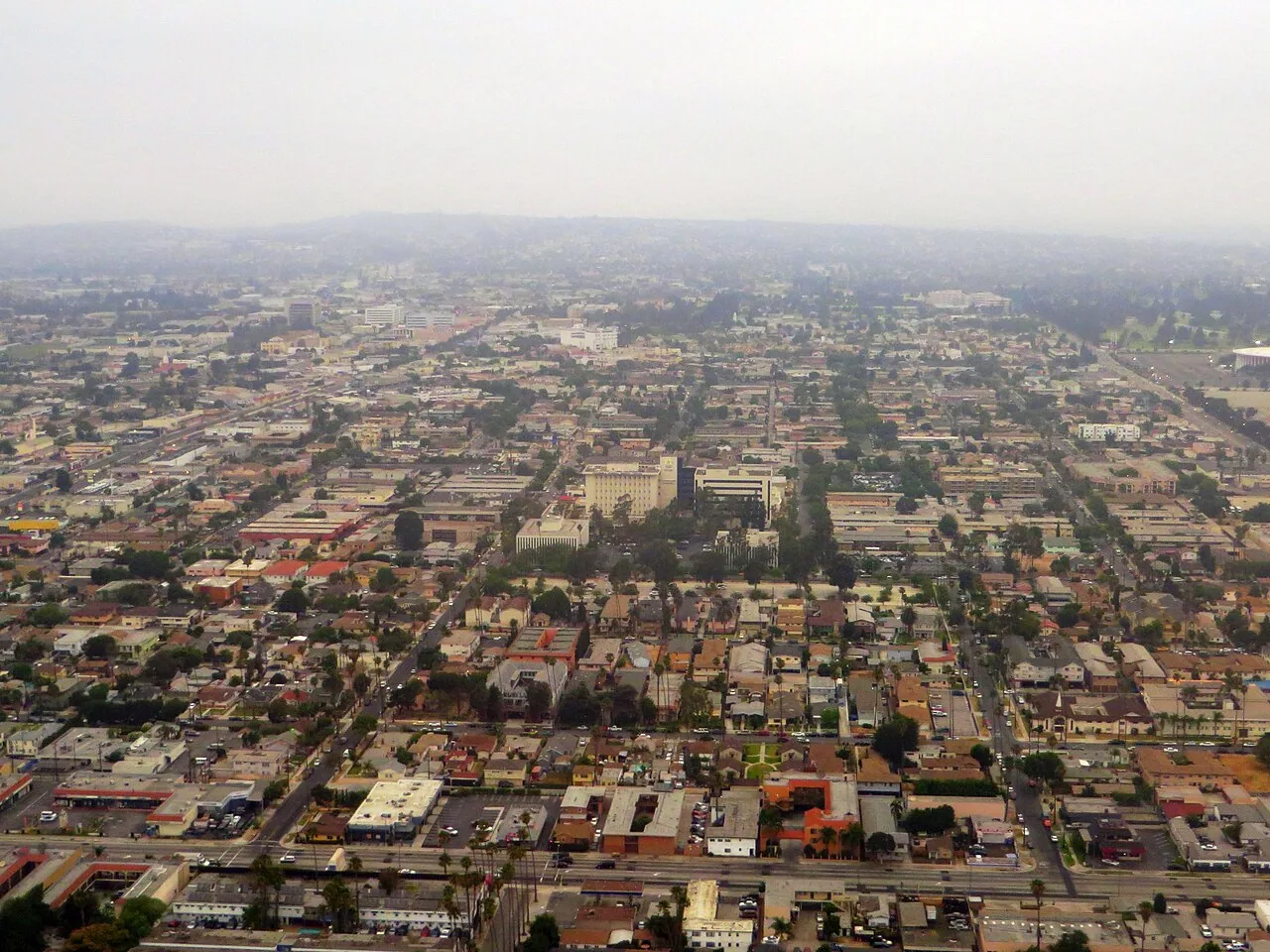
Century Boulevard, Manchester Boulevard, Florence Avenue, and Prairie Avenue are among Inglewood's commercial corridors. They help orient access planning, not establish a building’s roof or energy use. Before committing to materials, the owner should confirm the permit path, insulation requirements, and any electrical or mechanical coordination. A roof insulation plan can set the assembly details. The estimate should state whether existing insulation remains, which areas are removed, and what test opening or design review could change the scope. It should also list the membrane, cover board, attachment, and edge details selected for the project. If an existing assembly is unknown, we flag that before pricing instead of treating a product data sheet as a roof survey. A documented closeout then gives the next inspection a clear baseline.
Keep drainage and edges in view
Reflective roofing still needs the same water control as any other roof. We check drain bowls, overflow paths, crickets, parapet edges, and transitions at skylights and equipment. A coating adds material at low points, while a new membrane can change the height at drains and doors. The detail must leave outlets open and maintain a continuous termination. If water already collects against a curb, the cool-roof project should not hide that defect beneath a bright surface.
Most measurable rain falls in the cooler season, while summer months often bring only traces. That timing makes pre-rain drainage work practical, but it does not forecast conditions at a property. At a property near Prairie Avenue or the Inglewood International Business Park, roof geometry and access set the correction. A drain correction or perimeter repair can be priced before the new surface is applied. We photograph these transitions at closeout so the next inspection can compare the same locations.
Plan the installation window
Installation requires a clean, prepared roof and a protected stopping point at the end of each shift. We schedule delivery, access, equipment shutdowns, and tenant notices around the building’s use. The crew limits open work, protects drains and penetrations, and confirms that materials meet application conditions before installation. If a wet area or failed attachment appears after tear-off, the owner receives photos and a change in scope before the crew continues beyond the agreed area.
An industrial employment area sits near Century Boulevard, and El Segundo is a separate nearby municipality. Neither location replaces a lift plan for the actual address. We confirm the staging area, roof access, and any areas below that need protection. A phased reroof plan can limit disruption when the building stays open. At turnover, the record lists installed materials, repairs, exclusions, and the maintenance checks that support the roof’s next inspection.
Reflective surfaces still need inspection after installation. Dirt, repairs, equipment service paths, and later penetrations can change the condition of a coating or membrane. The closeout plan identifies how staff should report a new stain, lifted seam, blocked drain, or damaged termination. If rooftop units are due for replacement, that work should be coordinated before the finished surface is cut. We can note the unit locations and protect the roof during future service, but mechanical upkeep remains a separate task.
Related Roofing Work