
Read the curb before sealing it
A curb leak can start at the membrane turn-up, counterflashing, fastener, or equipment support. We check the termination, nearby seams, and roof slope before applying a repair material. If vibration or service access affects the equipment, the work plan needs coordination with the responsible trade. We photograph the complete transition and identify whether the visible opening reaches sound sheet or continues beneath the detail.
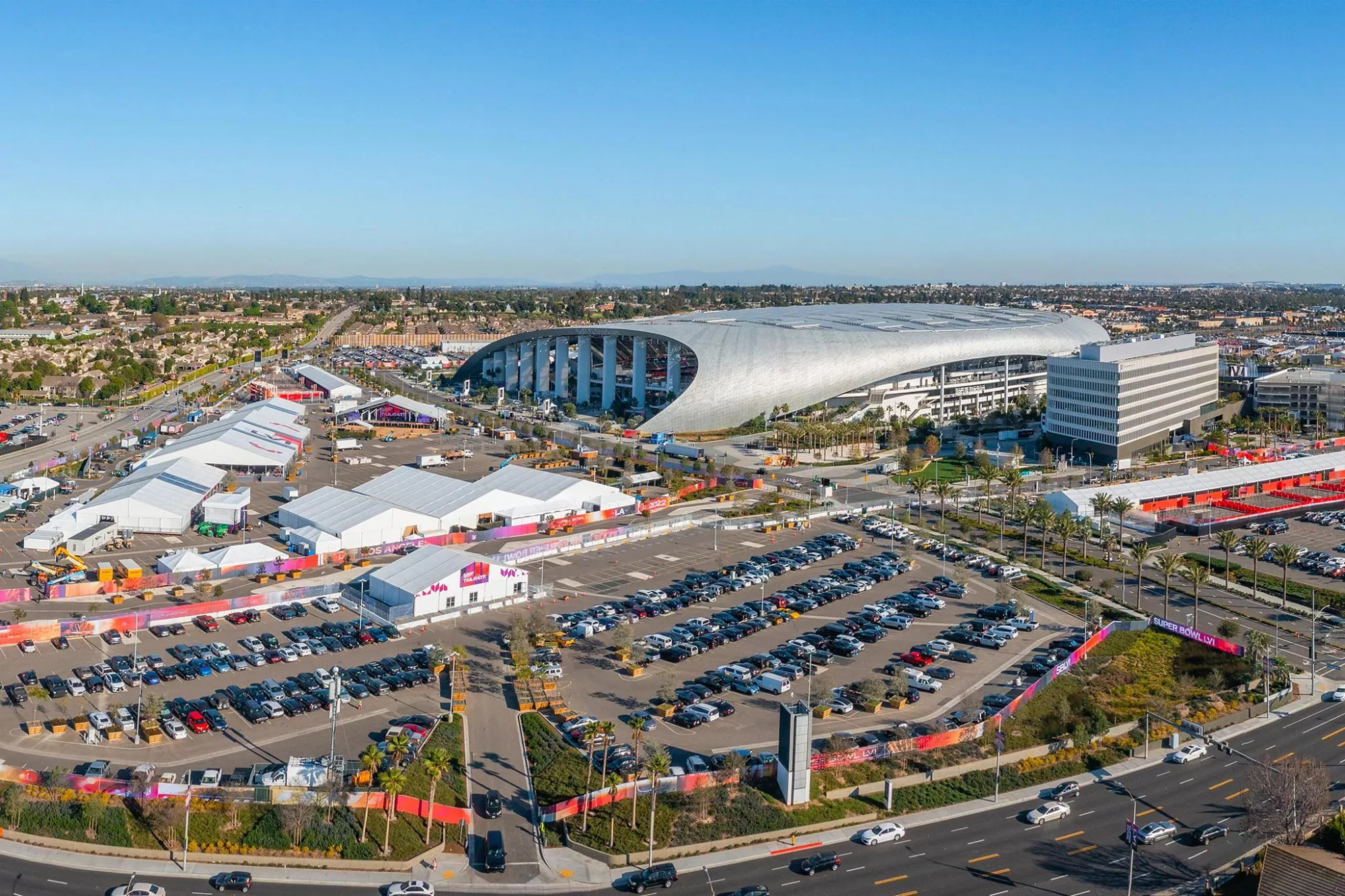
Inglewood’s four TOD plans coordinate development and mobility with the Metro Crenshaw/LAX line. For a building in this district, we confirm the actual use, assembly, and access route before writing a scope. A commercial roof inspection maps the curb, field, and adjoining drainage so the repair can be scoped to evidence. If a test opening is warranted, we show where it will go and what question it should answer before the owner approves it.
Trace the leak beyond the equipment
Water may move from a curb along the deck or beneath a membrane before it appears indoors. We match the affected room to roof slope, seams, penetrations, and nearby drains. A mark that changes after rain is useful timing information, but not proof that the nearest penetration is the source. We record the path we can see and separate it from any suspected route below the surface.
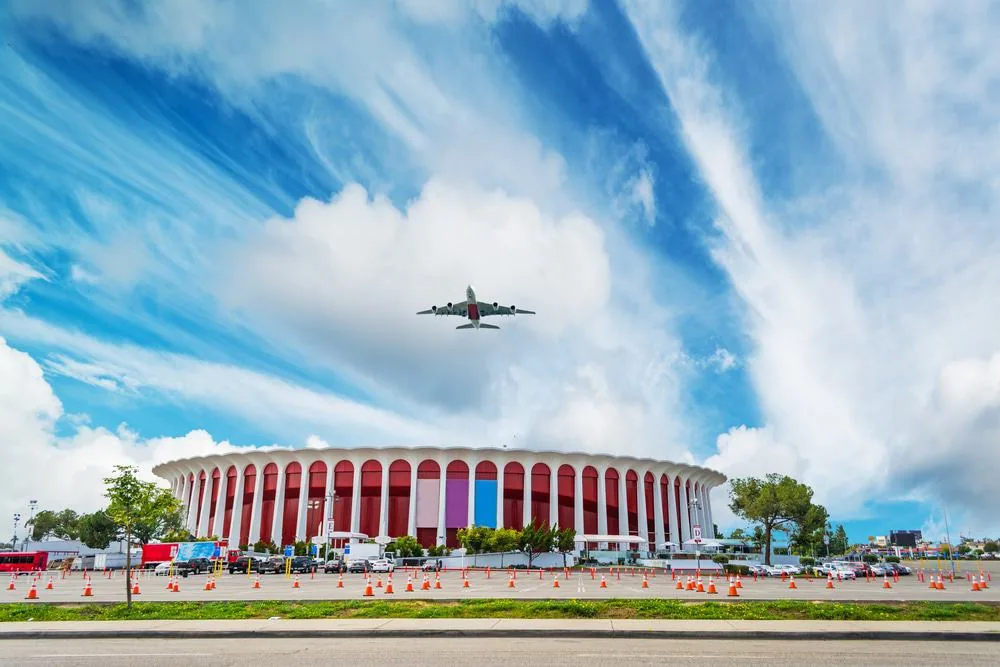
Near LAX, marine air and low cloud accompany a cooler-season rain pattern. Before the wetter months arrive, we inspect the property's drainage and flashing, then set the scope from the roof evidence. We inspect the actual outlet, overflow, and membrane connection. A drain and scupper review can document whether the water path remains open. If moisture may be under the sheet, an infrared survey can help select an area for closer testing when surface and assembly conditions support the method.
Set a repair limit that can hold
A repair requires material that can accept a durable tie-in. We identify the roof system, examine adhesion and attachment, and check whether water has softened insulation or deck. The scope names surface preparation, material, and the edge of work. If old sealant or prior patches cover the area, we note what must be removed before a new detail can bond or weld. A recurring opening may need a broader boundary than the last repair.
Crenshaw Boulevard and Imperial Highway are Inglewood road corridors that help locate this service area. We confirm the actual property entrance, roof access, and staging point before mobilization. A recover or coating is considered only after checking existing layers, moisture, attachment, edge height, and drainage. If those conditions do not support another layer, removal and replacement should be priced for comparison. A contained roof repair can address a confirmed opening; a restoration scope needs a sound substrate and separate preparation requirements.
Plan entry, staging, and protection
Before work starts, we confirm the roof-entry contact, safe access route, staging area, and any equipment that needs clearance. The building contact identifies hours that limit noise, tenant access, deliveries, or interior protection. Those limits can change the size of a roof section that can be opened and dried in each day. If another trade services equipment near the repair, we coordinate the sequence before touching that curb.
The owner or project team confirms active work and the authority that reviews the property before we schedule roof access. Inglewood Building Safety reviews plans, issues permits, and inspects work in its jurisdiction. A phased reroof sequence can set work areas, temporary protection, and a handoff for rooms below. We state what is included and who approves a change if a test opening exposes a different assembly. That keeps the scope tied to roof evidence rather than a district-wide assumption.
Keep the finding tied to the parcel
The inspection record names the property, roof section, assembly, and visible defect. Photos show the curb, seam, or drain that supports the repair decision. If a test opening exposed wet insulation or deck damage, we note its location and limits. If no opening was made, concealed layers remain unconfirmed. A future inspection can return to the same point and compare the surface without mistaking an old assumption for a new finding.
Crenshaw/Imperial is a city planning area, while Downtown Inglewood and Fairview Heights are separate named TOD geographies. A roof condition report can preserve the parcel-specific record, including photos, completed work, and follow-up needs. It should not transfer one district's plan boundary or a neighboring building's condition to another property. We leave a next-check date when the roof has a monitored item, and name who receives an update if the scope changes during repair.
Related Roofing Work