Inspect the termination and surrounding field
A flashing failure may begin where the membrane turns up a wall, where edge metal has shifted, or at a seam that runs into the transition. We check attachment, surface preparation, fasteners, and the way water reaches the detail. Sealant can conceal a gap without restoring the connection. We photograph the full transition and mark the material that remains sound enough for a new tie-in.
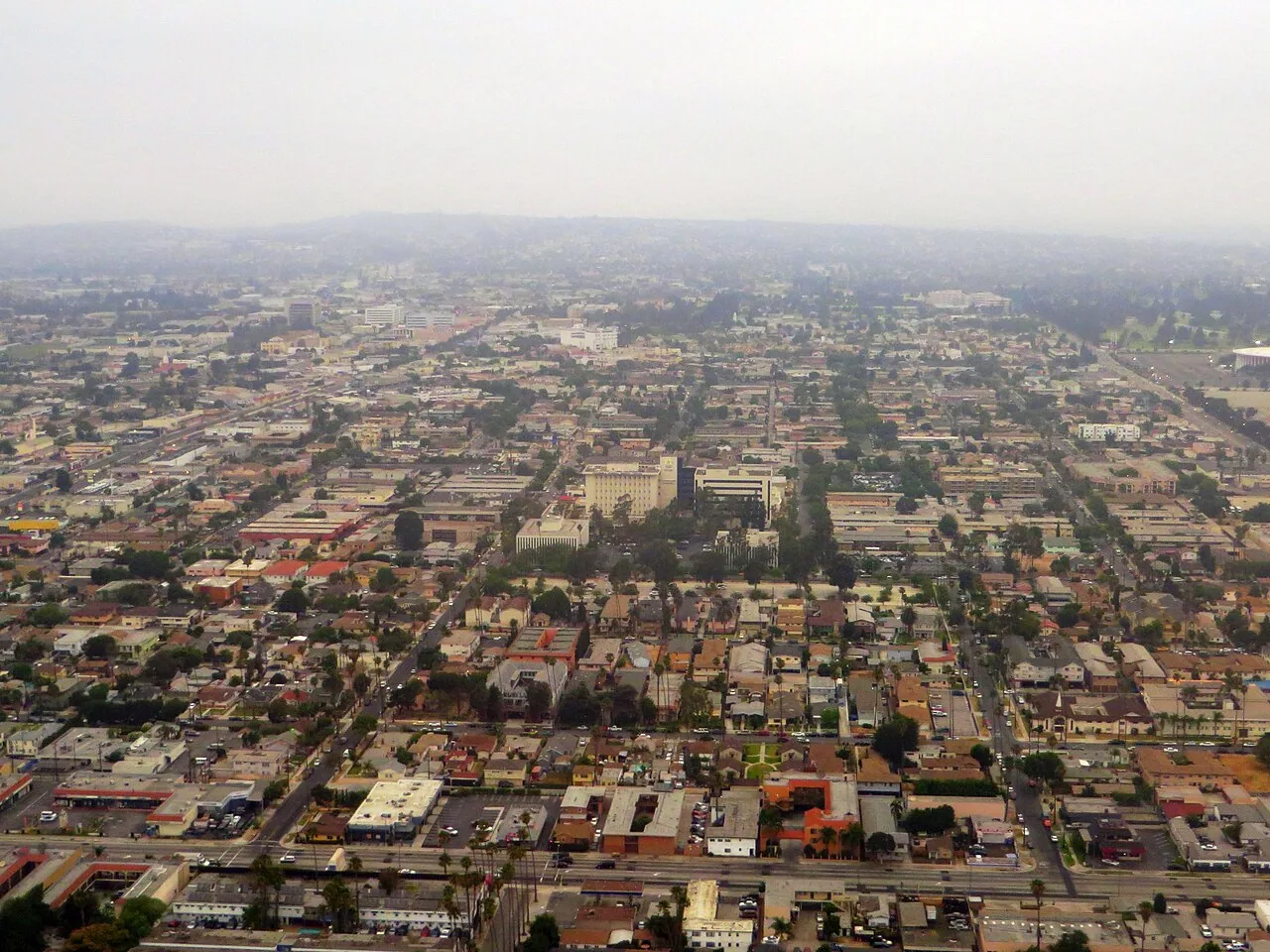
Westchester/Veterans is a named Inglewood Transit-Oriented District. We inspect the parcel and assembly before proposing work, then tie the repair to the observed condition. A coping and edge-metal review can record the perimeter, while a commercial roof repair can address a confirmed opening. If the wall assembly or another trade is involved, we identify that handoff rather than fold it into an unsupported roof claim.
Find what is feeding the interior mark
Water can travel beneath a roof sheet or along a deck before it reaches an interior finish. We compare the reported room with roof slope, nearby curbs, seams, drains, and wall edges. An older patch may cover part of the route or move water toward a different detail. The inspection notes what is visible and whether a controlled opening would help determine the condition of insulation or deck below.
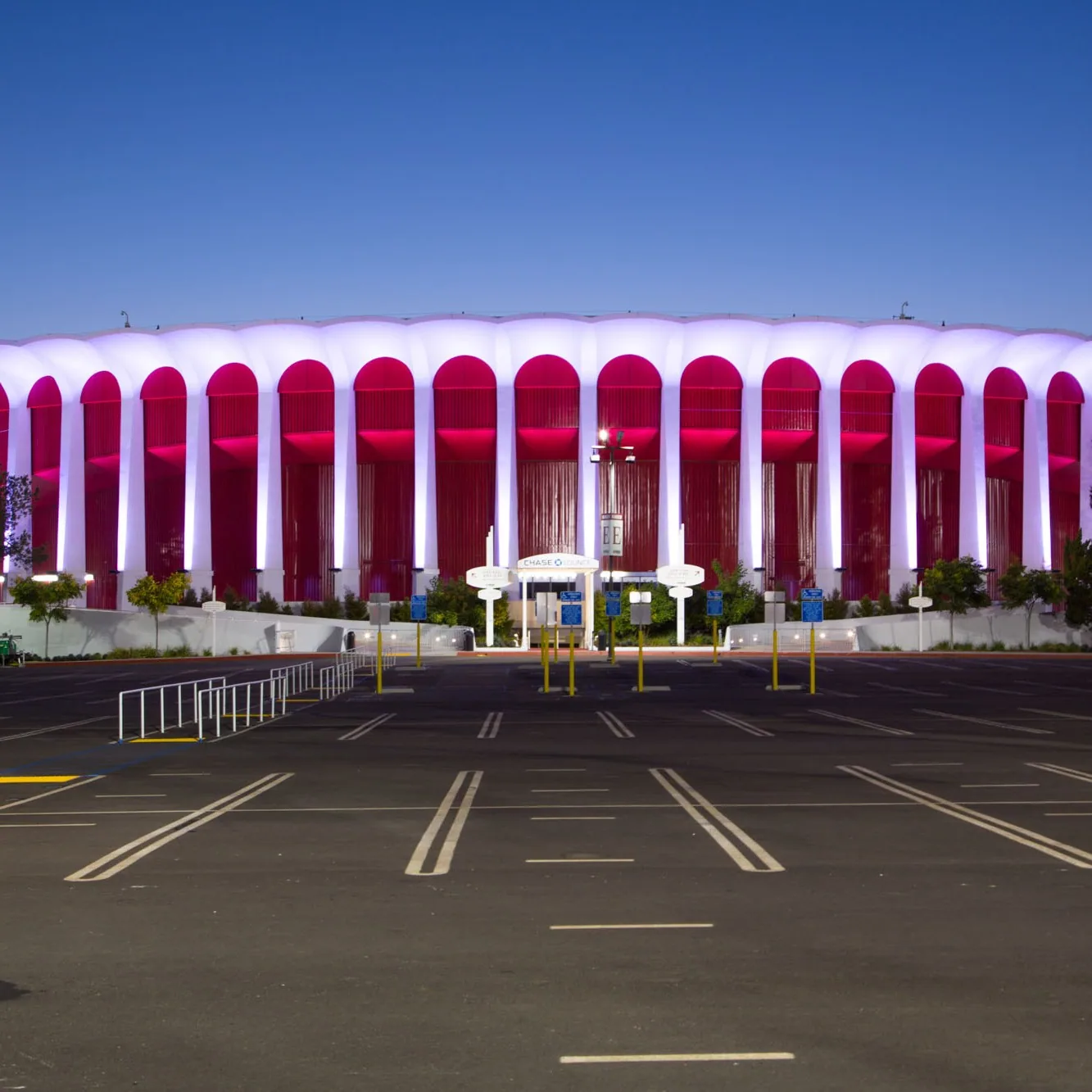
Marine air and low cloud characterize the nearby coastal plain, with short-distance differences. Near LAX, most measurable precipitation falls in the cooler months. Before that shift, we inspect this property’s seams, drain bowls, and overflow details while setting the scope from the visible assembly. A roof inspection can map the suspected water path. If moisture may be below the surface, a survey can help identify areas for follow-up when conditions suit the method.
Check drainage around the failure
Water at an edge may still involve the roof's drainage path. We look at drain bowls, scuppers, overflow details, and low areas that direct water toward the perimeter. Debris or a water line is a clue, not a conclusion. The outlet, membrane connection, and nearby seams each get checked so maintenance and repair are not confused. If water remains after the outlet is clear, we look for a low spot or concealed moisture that may need separate testing.
Near LAX, measurable precipitation is concentrated from late October through early April; July and August more often bring only traces. We check each roof outlet and flashing transition before the cool-season storms. A drain and scupper inspection can record the bowl, overflow, and surrounding membrane. We explain whether the next step is clearing, a detail repair, or an opening to check concealed layers.
Confirm the property and work window
Inglewood’s Transit-Oriented District program coordinates land use and station-area mobility. Before planning roof access or permitting, we confirm the applicable plan and parcel boundary with the property team. The contact can identify who authorizes roof entry, where equipment can be staged, and which hours limit noise or deliveries. Those details affect how much work can be opened and protected in a day.
For occupied work, we plan around rooms below, equipment clearances, tenant access, and temporary dry-in. If the roof condition changes once material is removed, the crew needs a clear pause point and approval contact. An occupied-building reroof plan can divide the work into sections and state how each area returns to service. Crenshaw Boulevard, Imperial Highway, and Florence Avenue are among Inglewood’s mapped corridors. The property contact confirms the entrance and roof access route before materials are staged.
Choose the scope after checking the layers
A localized repair can work when the material around the opening is attached and dry. We identify the membrane or metal system, check the substrate, and set a boundary that reaches sound material. If wet insulation, deck damage, or repeated failures extend beyond the visible defect, a wider removal may be needed. The scope describes what is confirmed, what remains concealed, and how the repaired detail will meet the roof field.
Restoration or recover also depends on the existing assembly. We check adhesion, moisture, attachment, edge height, and drainage before considering another layer. A coating cannot dry wet insulation or correct a failed deck. If a recover is not supported, removal and replacement can be compared with a contained repair. A membrane system such as EPDM calls for compatible repair materials and detail work. The product choice follows the assembly at the property, not the district name. We separate material, preparation, and tie-in costs so the owner can see which condition drives each option.
Related Roofing Work