Separate the membrane from the assembly
A commercial system includes more than the visible sheet or cap surface. Insulation, cover board, vapor control, attachment, flashing and deck all affect performance. Johns Manville offers TPO and PVC membranes along with EPDM and asphaltic options. We identify the installed family before selecting a repair material. If the roof is built-up or modified bitumen, we examine the surfacing, seams, laps and flashing in a different way than we would a single-ply sheet. The modified-bitumen assembly needs its own inspection of the cap sheet and transitions.
Product generations and prior work matter. A patched seam can mix materials that do not bond well, while an older coating may change surface preparation. We photograph labels and representative details, then note where access prevented confirmation. A small test may be appropriate before specifying a broader repair. For comparisons, we can look at GAF commercial systems and Carlisle SynTec assemblies using the same roof condition, insulation assumptions and perimeter scope. The owner needs an assembly match, not a catalogue summary.
Find what is wet before closing the roof
Trace the water from the ceiling mark to roof penetrations, wall transitions, seams, and drains before drawing the repair boundary. Where the deck or insulation feels soft, we record the location and discuss whether a test opening is warranted. Infrared or other moisture surveys can help map suspect areas, but each reading must be interpreted with roof construction and conditions in mind. The moisture survey supports the inspection; it does not replace confirmation where a hidden layer needs to be seen.
Ahead of seasonal storms, we check the outlet path, membrane terminations, and rooftop transitions on the actual property. Product selection cannot correct standing water or a failed drain. We clear visible debris, check the bowl and overflow path, and look for water held at low points. Johns Manville insulation or membrane products cannot compensate for a blocked outlet. Our roof inspection connects drainage observations with the damaged area so the repair does not stop at the first visible seam.
The local building context is a starting point
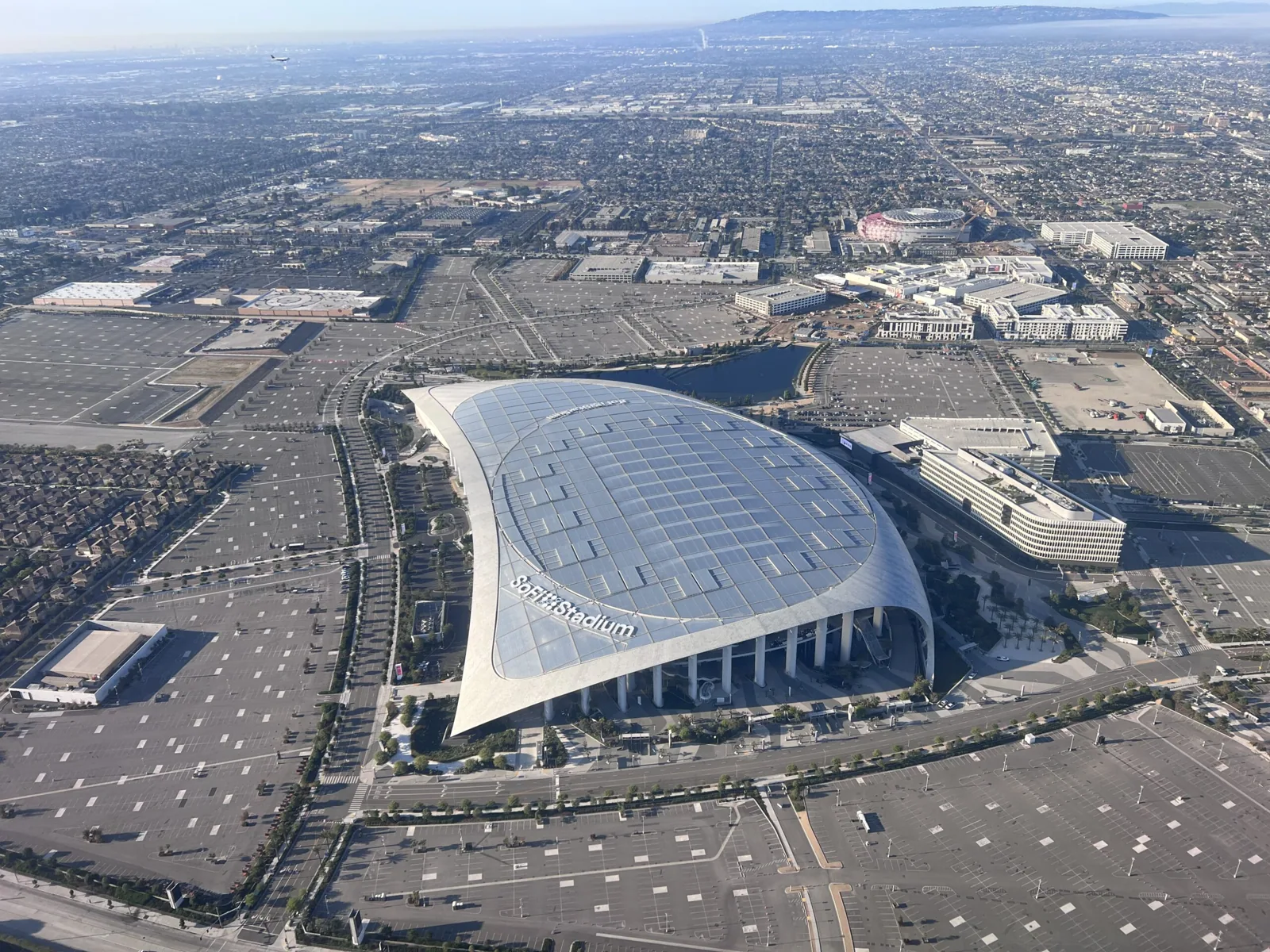
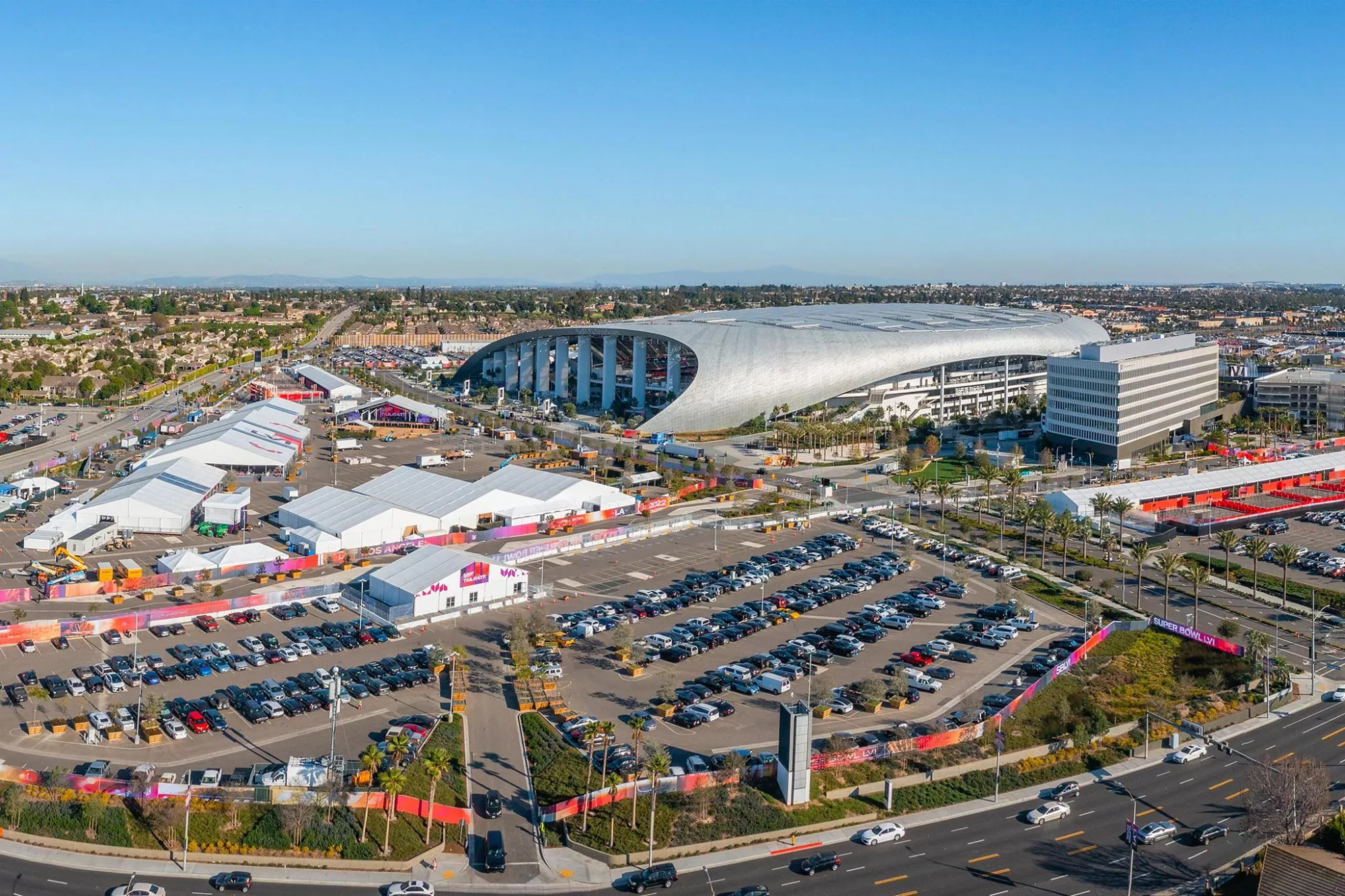
Inglewood includes commercial and industrial areas alongside medical, residential, and mixed-use areas. The commercial stretch of Century Boulevard connects Inglewood employment sites with the LAX area. Those districts include varied building uses and access needs. A property near the Inglewood International Business Park may have different loading limits from an office or medical building. We verify the site, deck, roof layers, and delivery path before choosing method or staging.
A facility with loading activity may need work sequenced away from busy movements. An office or medical use may need protected entries and a defined quiet period. We ask about these limits before opening a roof or staging rolls and insulation. For a manufacturing building, plant roof work can involve equipment clearances and continued operations; the actual plan depends on the property. At the Inglewood International Business Park, we confirm current access, loading rules, and occupancy with the facility contact.
Repair, restore or remove the failed layers
A localized repair can work when the failure is limited and adjacent material remains stable. Widespread moisture, recurring seam problems or a deteriorated base can change the recommendation. We mark the repair boundary and show which facts support it. A coating is only useful on a surface that can accept it; it does not dry wet insulation or repair a weak deck. If a recover is possible, we check edge heights, curbs, drains and added load before considering it. Otherwise we explain a tear-off and replacement scope with the materials to be removed.
Cost drivers include deck condition, removal depth, insulation, flashings, edge metal, access and disposal. We separate visible work from concealed findings that an opening could reveal. A Johns Manville system proposal should identify the intended membrane or asphaltic assembly and its components, not just the manufacturer. The warranty record can help track documents and maintenance requirements, but it does not replace inspection. We give owners a clear schedule and written scope for review.
Coordinate details before material arrives
For a replacement, we confirm the deck, insulation thickness, attachment, flashing details and tie-ins before ordering the system. We confirm this roof's permit route and inspection points. The 2025 Title 24 edition generally applies to applications filed from January 1, 2026; we check the local rule. We confirm the applicable permit path with the owner and design team. If the scope changes from maintenance to alteration, the documents should match the work being installed. We keep the condition record and proposed assembly together for a clean review.
On occupied roofs, we plan sections, protect entries and maintain drainage as the crew advances. Each shift ends with the roof closed or a protected temporary tie-in. Material staging should not block service routes or equipment access. We also coordinate rooftop trades where curbs or supports change during the project. A recover review can identify when existing layers may remain; removal is called out when they cannot. Work in Hawthorne or Inglewood still follows the specific building's access, permit and system requirements.
Related Roofing Work