Identify the membrane before choosing a repair
TPO, PVC and EPDM each need compatible materials, preparation and seam procedures. Carlisle's Sure-Weld TPO, Sure-Flex PVC and Sure-Seal EPDM identify different system families. A visible sheet may look familiar while an edge or patch belongs to another generation. We photograph labels and record the layer stack. The PVC roof and EPDM system need their own seam and transition checks, not a selection based on color alone.
On an older assembly, we check whether the repair area is clean, dry and firmly attached. Existing adhesive, a coating or a patch can change bonding. We do not weld an unknown sheet based only on appearance. If its identity remains unclear, we note that limit and recommend a small verification before specifying materials. We also check cover board, insulation and deck for movement or moisture. Those layers affect whether a localized Carlisle repair can hold or needs to extend farther.
A seam repair needs a sound edge around it
Water can travel from a seam toward a curb or drain before it appears indoors. We inspect the lap, nearby patches, flashing height and sheet attachment, then follow the water path outward. A probe or test weld can help assess a weldable membrane, while EPDM work calls for its own compatible detail. The objective is to locate the point of failure and confirm that nearby material is stable. If a repair crosses into loose membrane, the patch may simply move the opening. A commercial roof repair scope names the work included and where the boundary stops.
Edge metal deserves the same attention as the roof field. Wind and thermal movement can loosen a termination, expose fasteners or open the seal at a wall. We check metal securement and the membrane transition as one assembly. At a drain, we verify that the clamping ring, bowl and surrounding sheet are intact and that water can reach the outlet. The result may be a seam repair, a perimeter correction or a larger section. A perimeter review can identify the detail that needs attention before the next rainy period.
Access changes the repair sequence
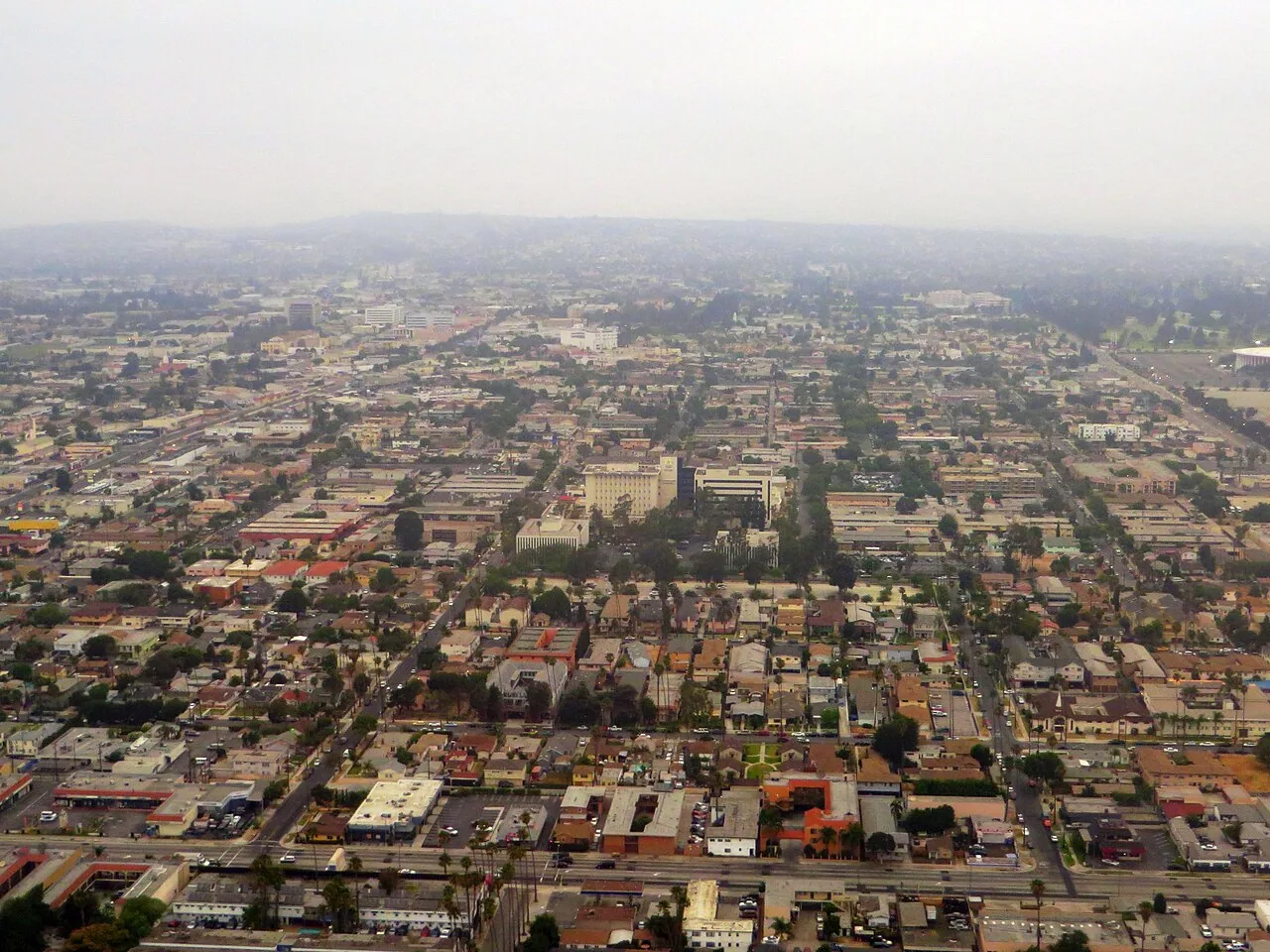
Century Boulevard connects Inglewood with LAX and carries commercial activity, while the General Plan also labels Prairie Avenue and nearby industrial designations. Those facts help frame access and delivery questions. They do not establish a roof's traffic, tenant schedule or loading capacity. We ask where crews can stage, which entrances stay open and whether equipment or walk paths restrict the work area. In nearby Hawthorne and Culver City, each building still needs its own inspection. We plan from actual access and roof conditions.
When an occupied property needs seam work, we map the active area and keep routes to drains and rooftop equipment clear. A phased repair can isolate one section while operations continue below. For replacement, we coordinate tear-off, material movement and daily dry-in with the facility contact. We protect penetrations and keep the work area controlled. If water is active, emergency response can limit exposure while a permanent Carlisle-compatible scope is prepared.
Choose a scope that fits the remaining roof
A repair remains sensible when the defect is narrow and the surrounding sheet, attachment and substrate are sound. Recurring leaks at several transitions, widespread seam separation or wet insulation can shift the discussion toward recover or replacement. We inspect the base roof before proposing an overlay. Added layers change edge heights, curbs, drains and wall details. Our recover review identifies what can remain and what must come off.
Cost follows tear-off, deck repair, insulation, perimeter metal, flashing, disposal and access. We separate visible work from conditions hidden below the membrane. Coating does not stabilize loose seams or remove wet material. Where the Carlisle assembly remains dry and attached, compatible restoration may preserve useful service. Otherwise we explain the evidence for broader work. Compare it with Johns Manville systems or GAF commercial roofing using the same area, substrate assumptions and details.
Keep the system record useful for the next decision
A good roof record names the membrane family when known, the visible attachment method, repair materials and roof details that need follow-up. We include photos of seams, perimeter transitions, penetrations and drains, with a location note for each condition. The record should distinguish confirmed facts from areas that were not opened. This is useful when an owner reviews a later proposal or tracks whether a repaired Carlisle lap remains stable. A roof condition report gives the facilities team a consistent reference without claiming hidden conditions were inspected.
Permit timing matters when an alteration moves beyond maintenance. We coordinate plan review, permits and inspection milestones with Inglewood's Building Safety division before setting the reroof date. For work filed in 2026, confirm the state's current Title 24 edition and the city's local application schedule. We coordinate the project documents with the owner and design professionals. That step matters whether the roof is in the Inglewood International Business Park or a commercial block near Prairie Avenue. We verify the parcel, access and roof scope before materials are ordered.
Related Roofing Work