
Document matched to the assembly
Start with the installed system and the scope recorded in the closeout package. We compare the warranty document with the roof plan, membrane or panel identification, attachment details, flashing, edge metal, and approved scope. If the paperwork does not match the assembly found on the roof, we flag the difference before anyone assumes a repair is covered. The document may have conditions or exclusions tied to installation, maintenance, drainage, alterations, or who performs later work. If a document uses an older system name, compare the original proposal, closeout photographs, and installed membrane label before relying on it. A mismatch is a question for the issuing party, not a reason to guess at coverage. Keep the request and written response with the roof's dated inspection history.
For a single-ply assembly, seams and penetrations need to be recorded in a way that can be checked after service. On a metal roof, panel movement, fasteners, and closures create different inspection points. A TPO roof review should not be filed under a metal system. We note the manufacturer's name and system only when the project record supports it, then keep any coverage conclusion tied to the document's written terms rather than a general assumption.
Maintenance with a dated trail
Routine roof care creates evidence that helps an owner understand what changed. We record the inspection date, weather conditions observed, roof areas reached, open seams, flashing, drains, perimeter metal, and repairs completed. Photos identify the detail and the action taken. If access prevented a full review, that limit belongs in the record. A preventive maintenance visit can identify developing issues before they spread, while a condition report provides a fuller snapshot for ownership.
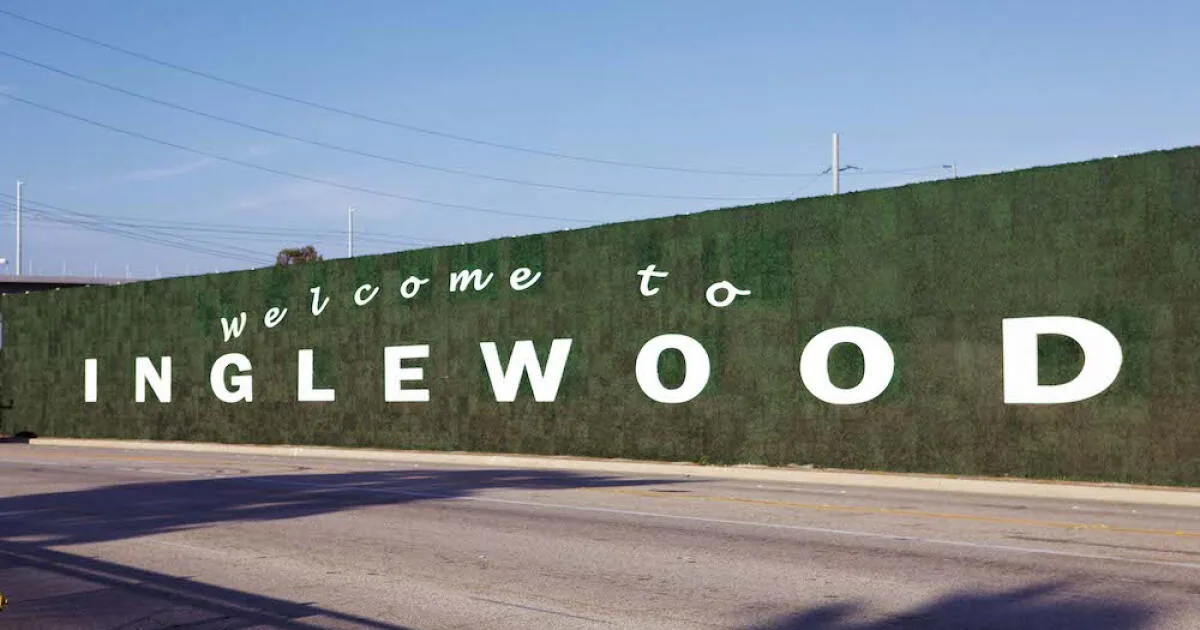
Century Boulevard Commercial Corridor and Inglewood International Business Park are distinct local settings. We keep one inspection and repair trail per property, link each photograph to the installed system and work completed, and avoid transferring a neighboring building's file into a coverage review.
Repair scope before work begins
Before altering a roof, we identify the condition, the proposed repair, and any document requirement that the owner needs to confirm. A new curb, coating, drain change, or membrane patch can affect how the detail is reviewed later. We photograph the existing condition, mark the repair boundary, and explain which work is included. If the manufacturer or issuing party must approve a procedure, the owner should confirm that step before mobilization. We do not treat a service call as a coverage determination.
A practical review also checks whether service work follows any notice rules in the document. Retain dated requests, access approvals, photographs from before and after the repair, invoices, and responses from the issuer. If paperwork is incomplete, list the gap and ask what can resolve it before anyone assumes the coverage status.
An active leak may start at an edge, seam, drain, or penetration and travel before appearing inside. We inspect the roof and document the path before selecting a compatible repair. A leak repair record should identify what was opened, what was replaced, and what remains concealed. If a coating or recover is under review, an assembly evaluation can determine whether the existing layers and moisture conditions support that option. The repair history stays distinct from the warranty decision made under the written terms.
For a planned alteration, we make the work boundary clear before materials arrive. The record names the existing flashing, the new penetration or curb, the membrane tie-in, and any area that will be opened for inspection. If a roofer finds wet insulation or deck damage after opening, we photograph the condition and ask for direction before expanding the approved scope. That gives ownership a dated trail for the repair and a clear question to resolve with the document issuer. It also helps the next service visit distinguish the original assembly from later changes.
Weather and inspection context
Coastal conditions can change over a short drive. For a warranty file, note the condition at the roof when inspected: standing water, damp insulation, open seams, or staining below a transition. Compare those observations with the next visit after rain, not with a general seasonal assumption. Regional climate patterns can inform inspection timing, but they cannot establish what happened at a particular membrane or whether a repair falls within written coverage. The roof inspection records what was observable that day.
Municipal permitting and contract coverage are separate questions. Inglewood Building Safety handles plan review, permits, and inspections; the project team should confirm the steps that fit the proposed alteration before work is scheduled. We record the roof assembly and completed work, while ownership checks the written warranty conditions with the issuer.
A record the next manager can use
Good file management prevents a future leak call from starting with a search through unrelated invoices. We keep the installed assembly, project closeout, inspection photos, repair scopes, maintenance dates, and open questions together. The record notes who approved a change and where the detail was repaired. If the owner changes, the next facilities director can see which areas were inspected and what should be checked again. A roof asset record can carry that history into a larger portfolio review.
Send the warranty document, roof plan, closeout photos, repair history, and current symptoms before a review. We compare the records with visible roof conditions and identify the next inspection or repair question. If the document is missing, we can document the assembly and work history, but we cannot recreate terms that are not available. In the Inglewood International Business Park area and on commercial corridors such as Century Boulevard, each building still needs its own file and access notes. That is how the next repair begins with the right roof, not a guess.
Related Roofing Work