Protect the customer and staff areas
A leak above a checkout, dining area, stockroom, kitchen, or service counter creates different protection needs. We confirm where the water appeared and when, then inspect the roof above and around that point. If the roof opening sits beside exhaust equipment or a wall transition, the scope includes those interfaces and any access restrictions. Interior barriers, odor limits, and a temporary closure can affect the work window, so we coordinate those details with the site manager before setting the crew route.
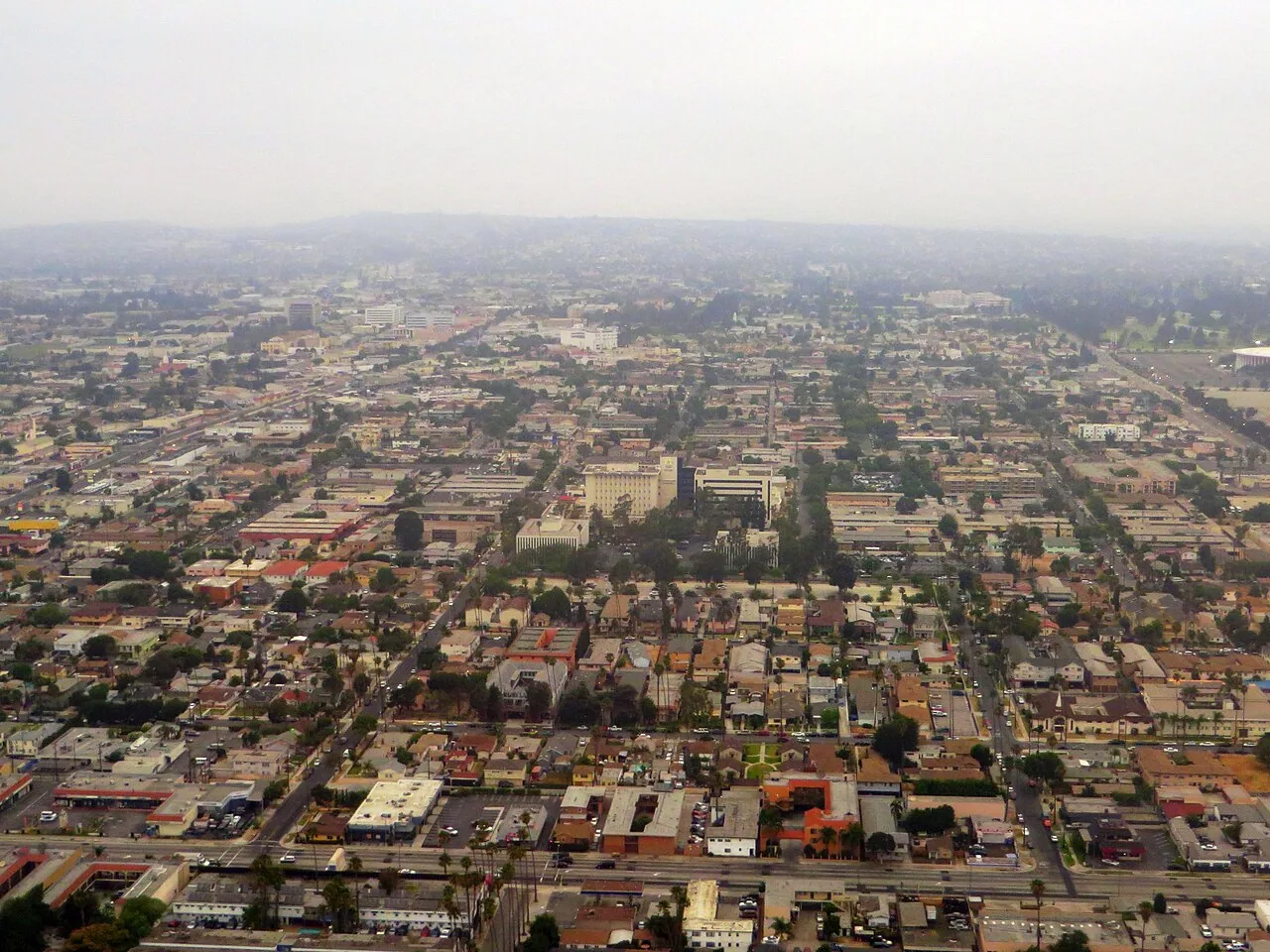
Century Boulevard Commercial Corridor is identified as a busy commercial route connecting with LAX. Historical retail development is part of Inglewood's commercial mix, but it does not identify a chain's current locations or roof conditions. We confirm the store address and operating contacts. A Century Boulevard area visit can help orient the local call, while a restaurant roof inspection can document kitchen exhaust, grease-related service access, and the roof transitions that need attention.
Check exhaust, signs, and roof edges
Kitchen exhaust and rooftop units create several places for a seal to loosen or a flashing to split. We inspect each curb, pipe, and adjacent membrane and note whether maintenance crews need a clear path to reach the equipment. Sign supports and parapet caps also deserve a look where metal movement or fasteners leave a gap. A repair must close the water path and preserve service access. If equipment is scheduled for cleaning or replacement, the roofing and mechanical work need an agreed order.
A curb and penetration service can document the roof interface before a kitchen vendor or HVAC trade returns. At the edge, we check coping, metal joints, and gutter transitions for movement or openings. A roof-edge review can separate a failed metal joint from membrane damage that needs its own scope. We photograph the detail before and after work so the store manager can retain a useful maintenance record.
Track the leak before it spreads
Water can travel along insulation or a deck before appearing above a guest or employee. We compare the interior report with roof seams, drains, penetrations, and wall edges in the surrounding zone. A split boot or failed seam may support a local repair; broader moisture evidence can call for a survey or selective opening. The leak repair scope distinguishes the confirmed opening from the areas that remain under investigation.
LAX observations show measurable precipitation clustering between late October and early April, with midsummer usually much drier. Before that change, we check the condition of drain bowls, scuppers, and low points during the roof walk. We do not infer drainage performance from a clear summer roof. If the surface or interior symptoms point to moisture below the membrane, an infrared survey may help select a verification area, with a test cut used to confirm the assembly. The next step and its effect on store hours remain in the written scope.
Make the work fit store hours
A chain may have one store that can close early and another that cannot interrupt breakfast, dinner, or receiving. We gather the local trading hours, delivery window, customer entry points, kitchen schedule, and manager contact for each address. For occupied work, the plan identifies staging, daily dry-in, temporary barriers, and the person who can approve a change. An occupied-store roof sequence gives regional operations a view of which zones can be worked and when.
TechTown District sits within the broader Downtown Inglewood area, with intended office, flex, research, light-industrial, and warehousing uses. That planned mix is not a current tenant list and does not locate a particular retail property. A store route still depends on the site's actual entrance and access permission. When several locations are scheduled, we group compatible work but keep the manager's hours and roof findings separate by address.
Set priorities across the chain
Repeated leak calls, blocked drains, loose edge metal, and moisture evidence can help determine which location needs attention first. We compare the roof condition with the effect on customer service and stock, then identify whether a repair can be approved or a larger assessment is needed. Cost drivers include wet insulation, equipment removal, edge details, access, disposal, and the time needed to maintain a dry interior. A multi-location roof program can collect the evidence while each store keeps an individual work scope.
One repair may be ready now while another site needs a test opening or replacement planning. We label those statuses in plain language so regional facilities can direct the next step without treating the chain as one building. A manager with leased spaces can coordinate through a property manager handoff; ownership can review longer-term work with a portfolio capital record. The findings remain tied to the address and the inspected roof.
Related Roofing Work