Records beside the roof walk
Before the walk, we review roof plans, closeout notes, repair invoices, leak reports, warranty documents, and the dates tied to reported water entry. We look for missing areas, repeated calls at the same detail, and repairs that do not identify what was opened or replaced. If records conflict with the visible assembly, the survey states the difference. A condition report can give the buyer a location-labeled photo record instead of a list of general concerns.
For a transaction, ownership should verify the actual tenant, access rights, roof plans, and maintenance history. Ownership confirms the current tenant and maintenance history for the transaction file. We compare those records with conditions visible during the inspection. A business-park survey still needs a roof-specific review; nearby employment uses do not identify the assembly or repairs on one building.
Assembly and water-path checks
We identify the roof field, membrane or panel system, seams, wall transitions, penetrations, drains, edge metal, and visible signs of movement or trapped moisture. We trace interior reports back toward a plausible roof entry, but we do not assume a ceiling mark sits below the opening. Where the assembly is concealed, a selective test cut may be needed to confirm the layers and moisture. The survey marks the limits of what was inspected and what remains unknown.
Drainage deserves a separate look. A low spot, obstructed outlet, failed drain bowl, or damaged overflow path can affect whether a repair is local or part of a broader scope. We record ponding and compare the surrounding membrane, seams, and flashings for related defects. An infrared moisture survey may help select areas for verification, while a hands-on inspection confirms visible details and access. Neither replaces a test opening when the question is the condition below the surface.
Repair boundary and budget exposure
We label each item as repair, monitor, or investigate. A loose termination above an active leak needs a defined repair; a stable coating surface may need a dated follow-up rather than immediate replacement. Widespread moisture, recurring failures across separate details, or deck concerns can change the buyer's budget. We show what is visible, what is assumed, and which opening or record could reduce uncertainty. A bounded repair scope should not be compared with a full replacement as though both address the same risk.
If the roof may be recovered, we check existing layers, attachment, drainage, and moisture before treating that option as viable. A recover review can identify limits and transition details, while a replacement survey can outline tear-off, insulation, and tie-in work. Cost drivers include access, staging, occupied areas, material selection, drainage correction, and concealed deck conditions. We keep those drivers tied to findings rather than giving a transaction team an unsupported allowance. An acquisition schedule may list floor area without describing the roof geometry. We identify separate roof sections, elevation changes, parapets, equipment zones, and edge conditions that affect the work quantity. If available drawings disagree with what we can reach, the survey states which areas were measured and which still need a verified takeoff before bids are compared.
Local review and project timing
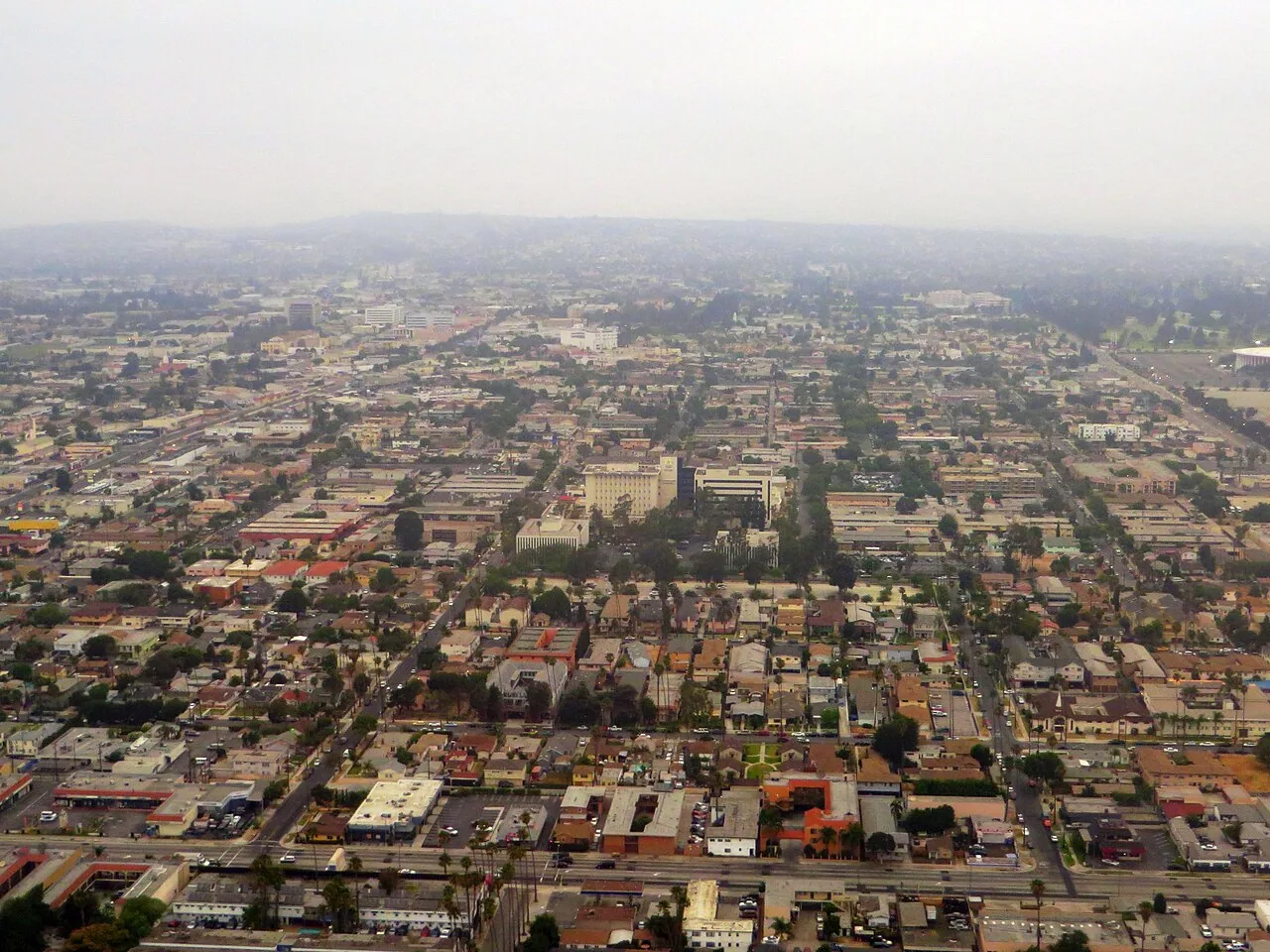
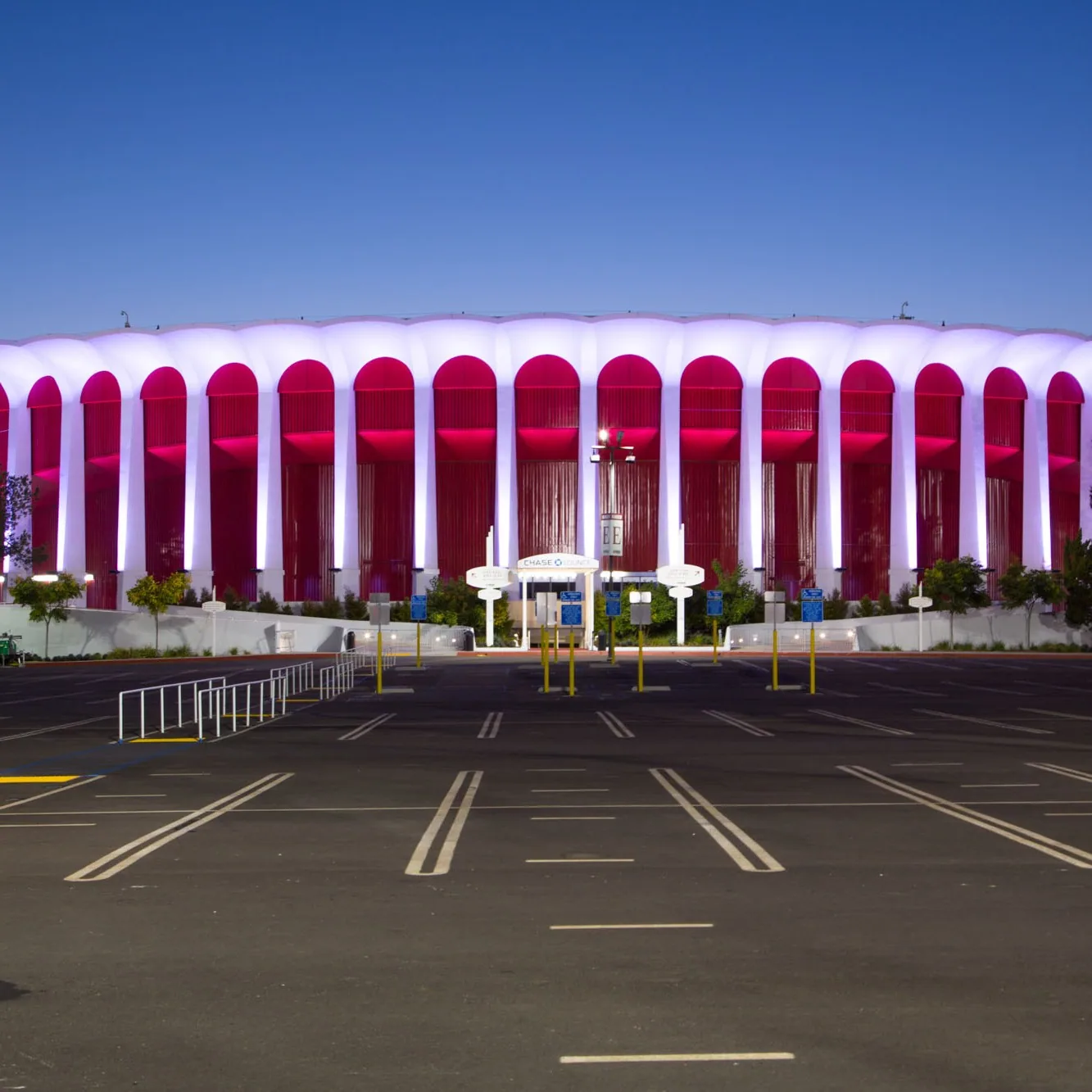
A post-closing schedule should reserve time for the permit path as well as the roof work. In Inglewood, Building Safety is the municipal point for plan review, permit issuance, and inspections. We list the proposed alteration and ask ownership to confirm the applicable route before setting a mobilization date. A survey documents roof condition; it does not certify code compliance.
For the buyer, the useful distinction is roof-specific: a measured edge repair, an unverified deck, and an access restriction create different budget questions. We list each one by roof section, then identify who can confirm it and by when. That avoids rolling a visible defect, a test opening, and a permit question into one vague contingency.
Century Boulevard, Manchester Boulevard, and Prairie Avenue are Inglewood routes. For this roof, the facility contact confirms the entry gate, construction access, and tenant conditions. A transaction can include parcels with different jurisdictions, access rules, and roof assemblies. We label each municipality and building separately so a neighboring property's service history never becomes evidence about the subject roof. We confirm whether Inglewood reviews the proposed scope, then verify the entry gate, roof access, and staging limits with the property contact before the buyer compares bids.
When the transaction calendar limits access, the survey lists areas not reached and records still needed. A locked roof hatch, active tenant operation, or weather can leave a question open. We identify the specific follow-up, such as a return walk, a test cut, or review of a closeout drawing, so the buyer can decide whether to complete it before closing or carry it as a post-close action. The limitation stays tied to the roof area rather than buried in a broad disclaimer.
Questions the survey should settle
The buyer should leave with a short answer to the roof questions that can change the transaction: what failed, where the repair boundary sits, what remains serviceable, what should be opened, and which scope options are ready to price. We include photographs, assembly notes, access limits, and a list of documents that were unavailable. When a limitation affects the conclusion, it stays in the report so the next decision is not built on a silent assumption.
Share the roof plan, inspection history, reported leaks, repair invoices, building use, access instructions, and transaction deadline. We walk the accessible areas, document findings, and distinguish immediate exposure from future capital work. A capital planning review can use the survey to compare near-term repair with larger replacement needs. If several buildings are included, a multi-property review can coordinate records while preserving a separate condition file for each roof.
Related Roofing Work