
Record what changed
Start with the conditions staff observed: wind direction if known, when water appeared, which room or equipment was affected, and whether the mark grew after the rain stopped. Those details help us select roof areas to inspect. We photograph displaced edge metal, lifted flashing, open seams, punctures, and loose rooftop items without treating a visual clue as a complete diagnosis. The work record names each location and keeps the original symptom separate from the repair recommendation.
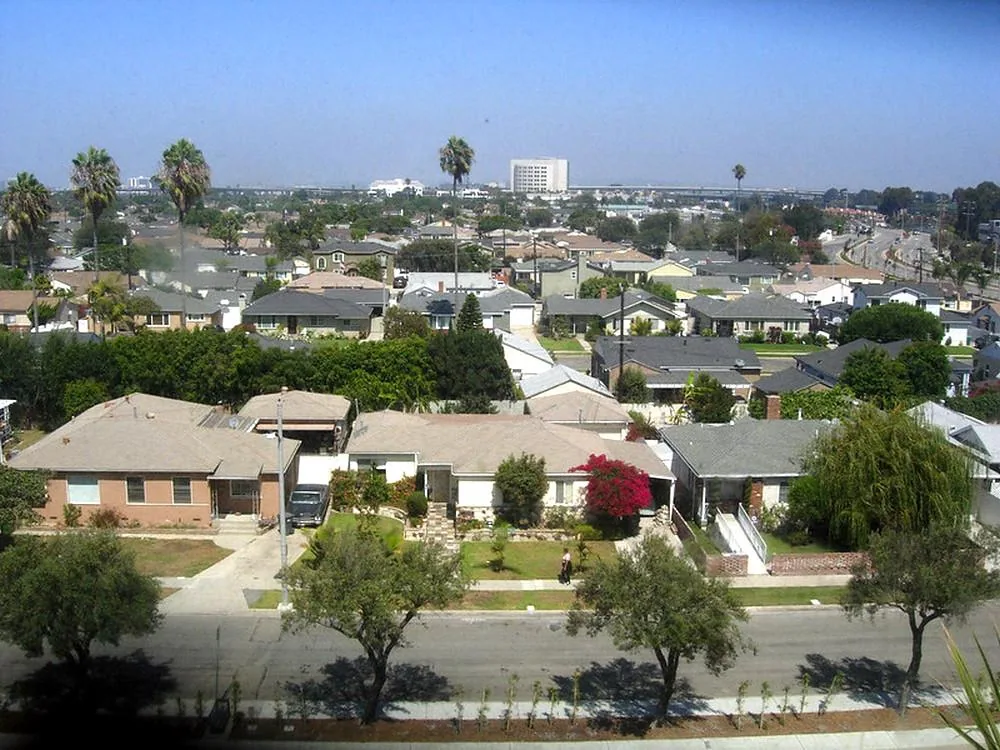
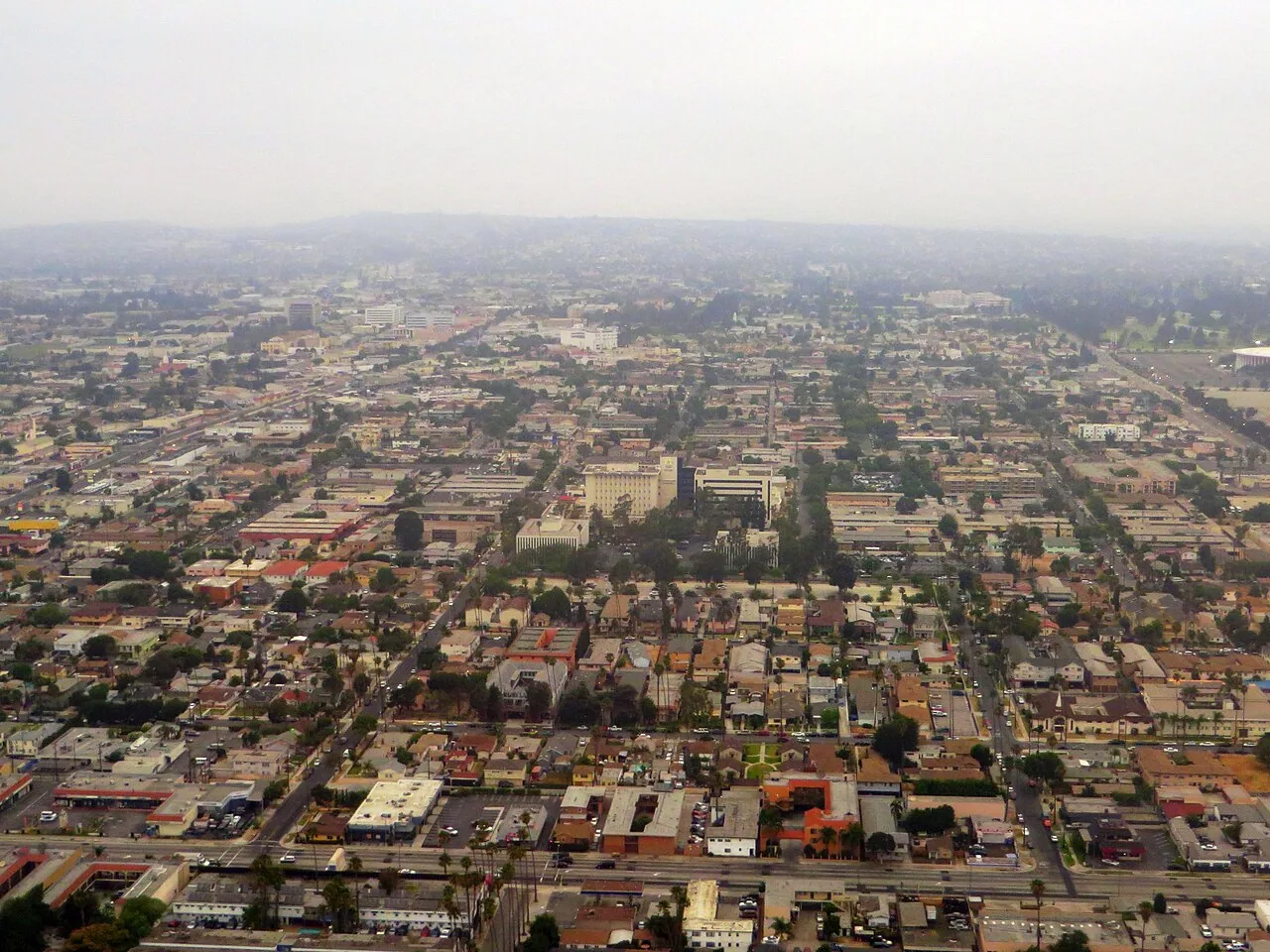
Mild marine conditions and short-distance weather differences mark the coastal plain, while the airport-area rain pattern is concentrated in winter. Century Boulevard Commercial Corridor is Inglewood’s connection to LAX. We use the building’s report, roof details, and visible condition to choose repair, moisture testing, or a further opening. A roof condition report can keep those photographs and observations together.
Trace entry to the source
Water can travel along insulation, a deck flute, a seam, or a pipe before it reaches the ceiling. We inspect the likely area above the symptom and then expand to transitions that could feed it: parapets, drains, curbs, skylights, and penetrations. A roof surface that looks dry during the visit does not erase the reported leak. We compare the interior location, roof geometry, and drainage direction, then mark any uncertain section for a closer check.
If a wet area appears broad, thermal imaging may help locate places for selective openings, but it cannot identify every layer on its own. A test cut can show whether insulation is saturated or whether a membrane defect is localized. The opening is photographed and closed with an appropriate repair. If seams remain the concern, compare the detail work in seam failure repair and commercial leak repair. A roof walk in Hawthorne may face a similar weather report, but its assembly and water route must be checked independently. Two coastal-plain roofs can have different assemblies and water paths, so we inspect each location separately.
Control water safely
Before permanent work begins, staff may need to move contents, isolate electrical equipment, or place a safe catch beneath an interior drip. Roof access depends on the condition of the ladder, hatch, parapet, and walking surface. We confirm whether the affected area can be reached without crossing unsafe material. Temporary protection should not block a drain or create a trip hazard. If a roof cannot be accessed safely, we discuss what can be documented from below and what must wait for a safe inspection.
When you contact intake, describe the timing and active conditions so current availability and safe access can be confirmed. The repair scope still depends on inspection. We identify whether a temporary cover, localized patch, or larger opening is appropriate and what limitations remain after that step. A tarp is not a permanent membrane repair, and a sealant bead cannot substitute for a correctly tied flashing. If water threatens a sensitive room, the owner should protect occupants and equipment first, then coordinate the roof work with the building contact.
Set the repair boundary
Storm repair can range from replacing a loose termination to rebuilding wet insulation and a section of deck. We identify the boundary that the evidence supports, list materials to remove, and describe how new work ties into the existing assembly. If concealed damage changes the quantity, we pause, photograph it, and explain the added work before proceeding. This is easier to evaluate when confirmed damage is separated from possible damage that needs an opening.
The property owner should confirm the City’s construction-review steps before an assembly change. Inglewood Building Safety handles local plan review, permit issuance, and inspections. California’s 2025 code has applied since January 1, 2026; the filing date and repair scope determine which provisions need review. A storm photograph alone cannot settle a code question. The proposal explains the repair method, affected area, protection plan, and any inspection or permit question that remains. For a recover-versus-removal decision, a roof recover evaluation can compare layer limits with the observed damage.
Document the completed repair
After repair, the owner needs to know where work stopped and what conditions deserve another look. We record the replaced material, seam or flashing detail, drainage condition, and any area excluded from the scope. A photo should show the repair in relation to a roof landmark so maintenance staff can find it. If the incident affected more than one zone, each repair gets its own reference rather than a single broad label.
The Inglewood International Business Park plan includes industrial and commercial uses, while TechTown is planned for mixed-use development. At either location, the property contact sets access and operating limits. For a Culver City roof, we start with the building’s assembly and maintenance record. When the report points to multiple roof zones, we sketch the route between them and list what remains uncertain. That makes the next repair meeting specific: the owner can review one documented area, approve an opening, or hold a broader replacement decision until more evidence is available. When multiple repairs repeat, preventive roof maintenance can put drain, edge, and seam checks on a consistent schedule. If a larger scope is necessary, replacement planning should state removal limits and how the building stays protected.
A temporary cover needs a defined attachment point, drainage path, inspection interval, and removal or permanent-repair decision. We mark the protected area and tell the property contact what nearby detail remains exposed. If conditions make roof access unsafe, we record what can be seen from a safe position and return when the surface and route permit inspection.
Related Roofing Work