Set the access path
Before a crew is scheduled, the installation contact should define entry, escort rules, approved vehicle and material routes, tool controls, and areas that remain off limits. Those requirements can change the work order. A roof hatch may be reachable from a service road, while a lift route or staging area needs separate review. We build the sequence around the access actually granted and keep the crew inside that boundary.
Los Angeles Air Force Base supports Space Systems Command and administrative functions, with office and administrative space. Our walk records the assigned building’s membrane, penetrations, rooftop equipment, and authorized access before the work plan is set. A government or support-building roof review starts with the actual structure and the site contact’s directions.
Fit the work window
Mission schedules set the usable work window, but the roof condition sets the stopping point. A crew may pause for a building function, secure a temporary tie-in, and resume when the site contact releases the area. We sequence noisy removal, lifts, permitted hot work, and equipment shutdowns against the approved schedule. The owner identifies activities that cannot be interrupted; the roofing scope names the affected zone and the next safe handoff.
JFTB Los Alamitos combines National Guard training with Army Reserve sustainment and other Department of Defense roles. The California Guard describes installation-level sustainment and a mix of training and support functions there. Its facilities include logistics, maintenance, billeting, and an airfield with hangars. That mix calls for checking each building’s use and access window instead of assuming every roof has the same priority. The base is about 20.3 straight-line miles southeast of Inglewood.
For buildings that remain occupied, the work plan can divide a large roof into zones that close each shift. Each zone needs a secure edge, a known tie-in, and a decision point if deck damage appears. We can coordinate a phased occupied-building reroof when staff or tenants work below. If the window changes, we protect the current opening before moving elsewhere.
Check the roof assembly
Military roofing criteria do not replace a survey of the roof in front of us. We identify the membrane or metal profile, insulation, cover board, attachment, edges, penetrations, drainage, and prior repairs. A recover may be possible where the existing layers and moisture condition allow it. Wet insulation, failed seams, weak attachment, or a deteriorated deck can change the decision toward selective replacement or a full tear-off. The written scope should show what the inspection confirmed and what remains concealed.
The Unified Facilities Criteria provide design and construction criteria for Department of Defense facilities, including roofing requirements in the applicable documents. The project team determines which edition, amendments, performance criteria, submittals, testing, and approval path govern the work. We can align the proposed assembly and details with the project documents, then identify questions that need direction from the designer or contracting office. Submittals identify the specified assembly, fastening or adhesive requirements, testing, and review points before procurement.
Drain bowls, scuppers, curbs, and wall transitions deserve close review. A roof can shed water in the field yet retain it at a low point or admit it where flashing turns up. We trace the water path and mark the repair boundary before recommending a patch or larger replacement. A drain and scupper check or edge-metal review can clarify those details. For an existing assembly, a commercial roof inspection records visible conditions before scope is set.
Keep weather and records in view
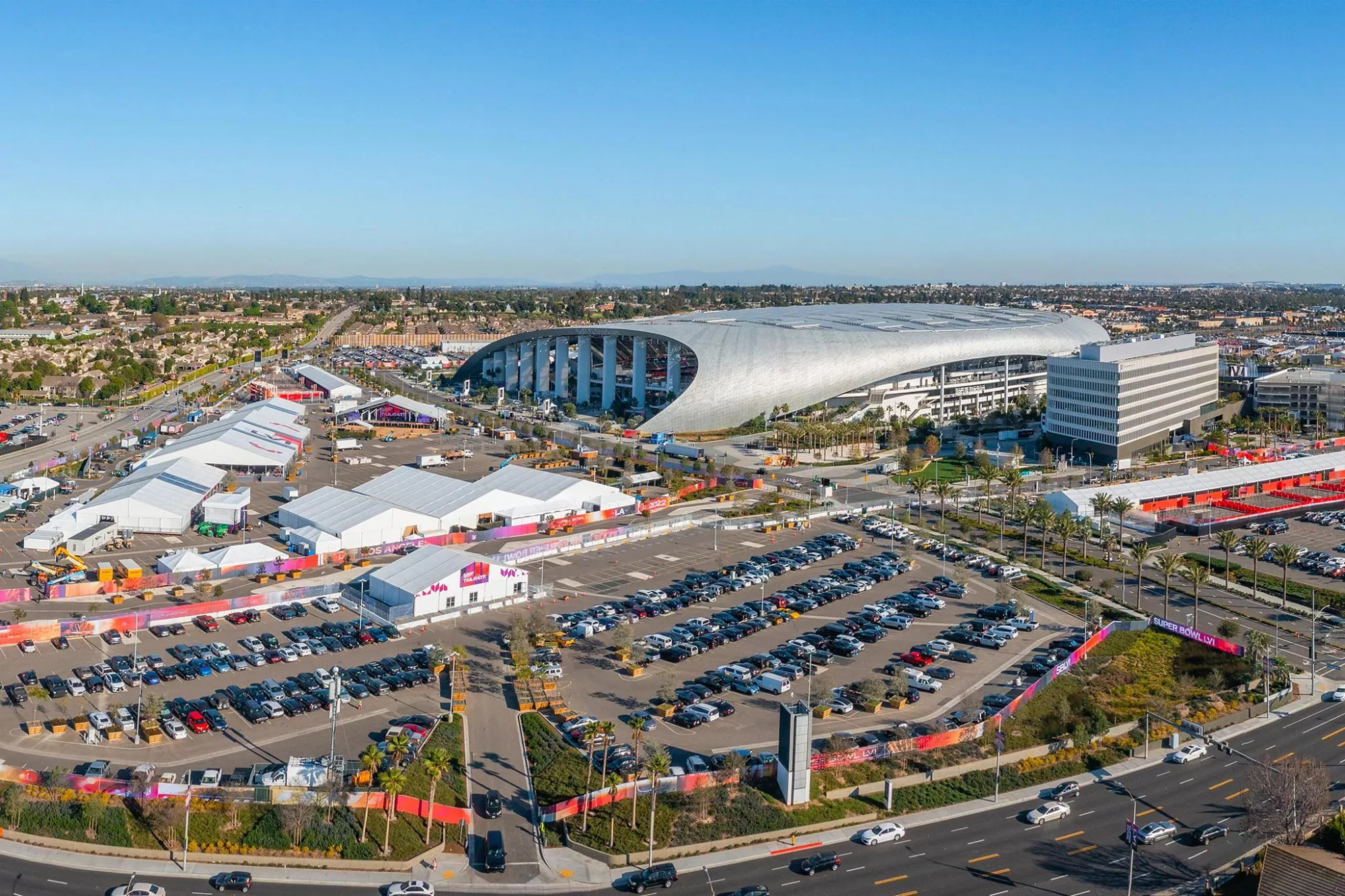
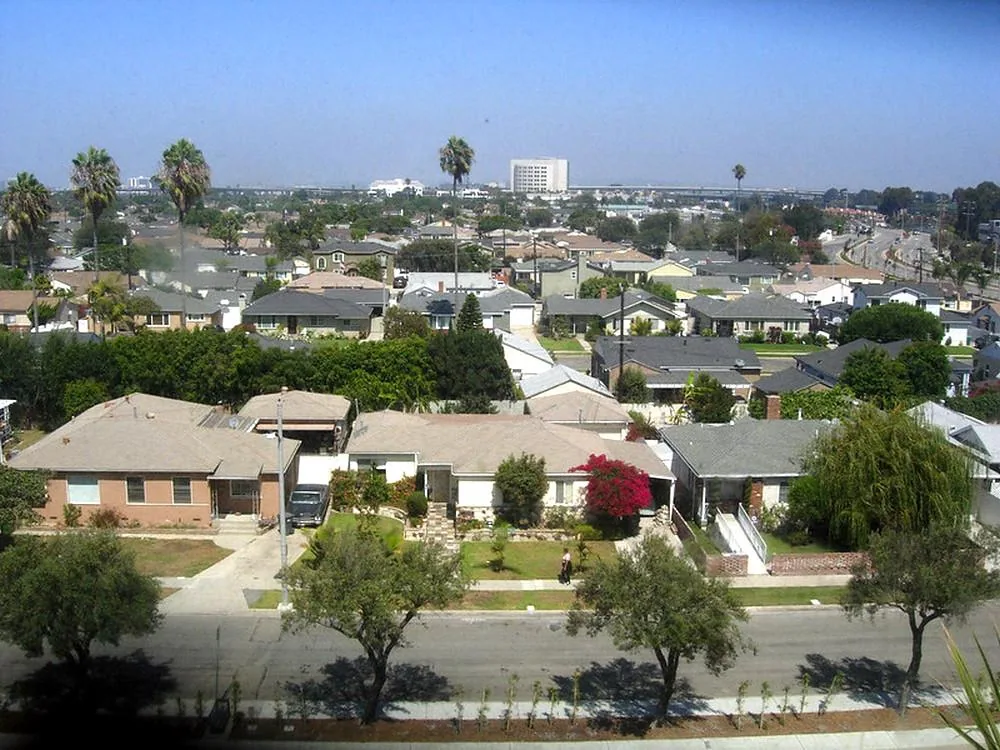
Inglewood sits on the Los Angeles coastal plain. Nearby LAX observations describe marine air, low cloud, and winter rain. That seasonal pattern makes drainage, seam condition, and dry-in timing useful inspection points. Before exposing material, we check the surface, substrate, and workday conditions. If moisture is present under a membrane, a moisture survey may help map areas for confirmation; the method and limits belong in the inspection record.
Naval Weapons Station Seal Beach supports Pacific Fleet operations through weapons storage, loading, maintenance, and assessment. On a storage or maintenance building, we identify equipment and work areas that must remain available. The installation contact designates the escort, approved route, and daily roof-access window before mobilization. The scope should separate confirmed conditions from areas the crew could not enter.
We keep a photo record of the roof field, details, concealed conditions, and completed tie-ins. The handoff lists the work area, material transition, inspection or testing steps, and items reserved for the owner’s review. A condition report carries those observations into the next inspection. commercial roof in El Segundo, we verify the assembly and building access before defining the repair or replacement scope.
Close the scope cleanly
Before mobilization, agree who can release a work area, approve a concealed-condition change, accept a temporary tie-in, and sign off on completed zones. The scope identifies the roof system, sequence, protection, access assumptions, required submittals, and closeout record. If UFC criteria or government forms apply, those requirements belong in the project documents and approved review path.
At the end of each shift, we check the active edge, drains, curbs, and temporary protection. The crew records what is closed, what remains protected, and what access is needed next. If a mechanical, electrical, or security trade must finish a connection, the roof boundary stays visible until that handoff is complete.
Bring the building name, known assembly, active symptom, access contact, and schedule limits to the first discussion. We can identify roof areas for a walk and explain whether the next step is repair, selective opening, replacement review, or maintenance. That starting record helps the facility contact compare the scope with site requirements before crews arrive.
Related Roofing Work