Keep public service available
A library, administrative office, maintenance building, or community facility may have different access controls and public hours. We ask which rooms must remain open, where visitors enter, and when staff can escort a roof inspection. If water is active, the first scope may protect the interior and close a visible opening. A broader moisture question remains separate until the roof is opened or tested. A government-building roof review can note public access, interior protection, and the route for crew movement.
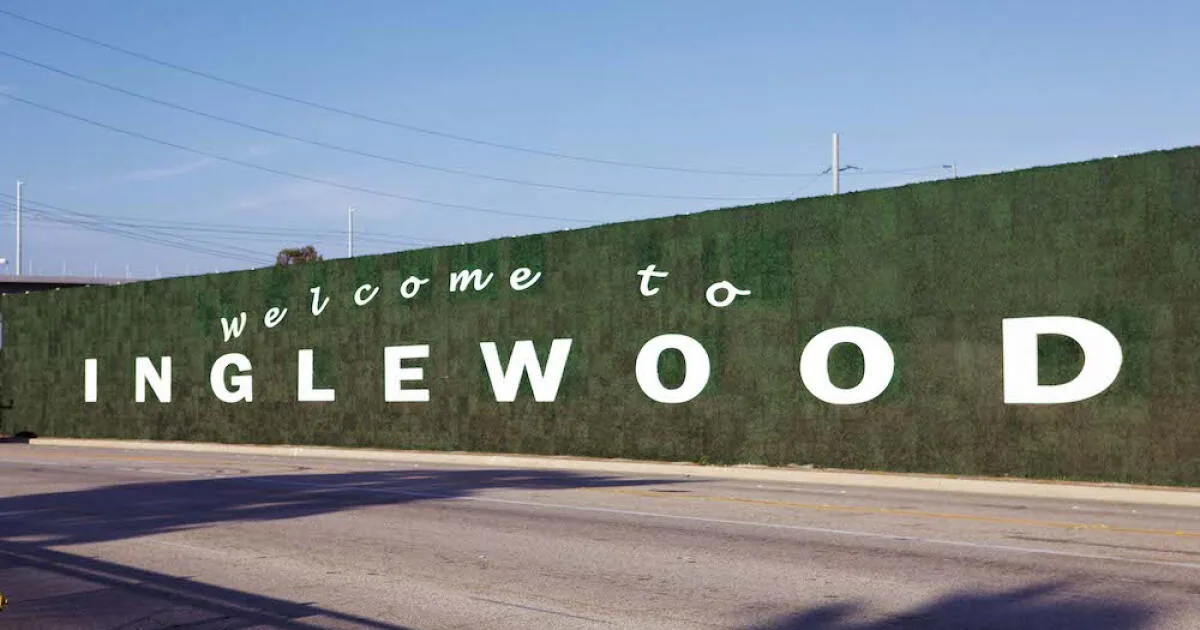
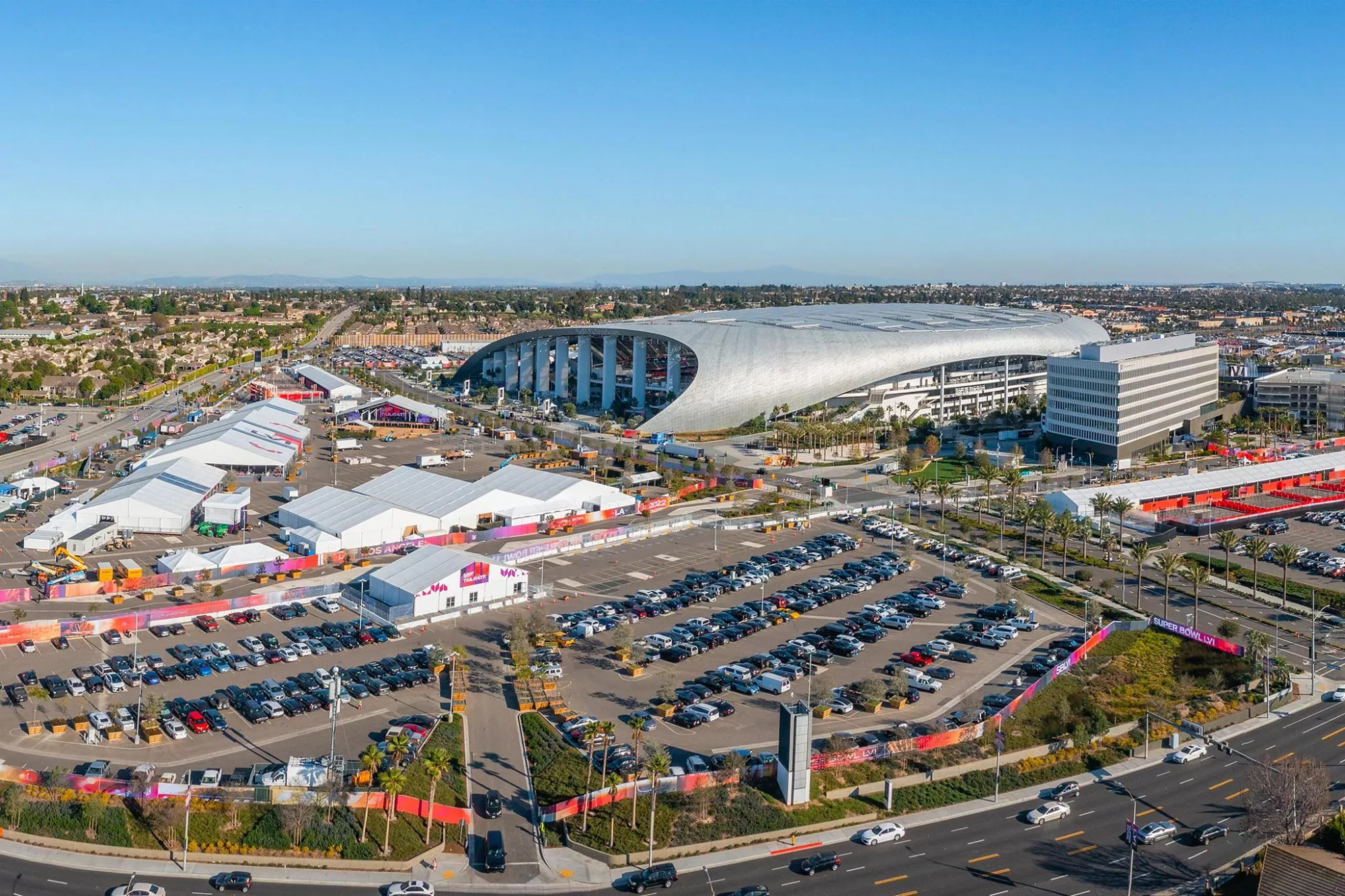
Civic Center and Historic Downtown are named districts in the Downtown Inglewood Transit-Oriented District. For an agency roof visit in either area, the property contact sets the visitor entrance, security process, and hours that construction can affect. For a roof above an agency office or community facility in Downtown Inglewood, property staff sets the visitor entrance, security process, and work hours. We confirm building use and roof access before mobilization.
Document what the roof shows
We inspect membrane seams, flashings, penetrations, drains, edge metal, and parapet transitions around the reported symptom. Photos identify the roof zone and the detail, so facilities can distinguish a local split from a wider failure. If a survey or test cut is needed to confirm wet insulation, the report says which question it addresses. The roof inspection produces a repair boundary that maintenance can compare with earlier service records.
Ahead of Inglewood's rainy season, we check each drain bowl, scupper, and seam for blockage or an open detail. The record notes the outlet condition and any standing water observed on the roof that day. A leak repair scope identifies immediate work and the condition that may require a larger opening.
Build a reviewable work package
Public purchasing needs a scope that explains the observed roof condition, work limits, access effect, and cost drivers. We identify how much membrane or flashing is included, where protection is needed, and what concealed condition could change the quantity. When several buildings are involved, each address keeps its own photos, assembly notes, and recommendation. A photo-based condition record gives facilities, procurement, and program staff a shared basis for review.
Bid line items should separate inspection, preparation, roof work, flashing, and disposal so reviewers can compare equivalent tasks. Include roof areas, access assumptions, protection, and any alternates. For phased work, identify the dry-in point and inspection hold for each phase. A clear record helps staff compare schedule and cost without treating an allowance as field authorization.
Before publishing a construction calendar, the agency's project lead should check the permit path and applicable code provisions with the City. Project scope and application date guide that review; our roof record gives the team a defined work description for it. We record the roof scope and the review questions separately. A capital work schedule can connect condition, procurement milestones, public notices, budget approval, and the building window while keeping each authorization step distinct. We list access prerequisites, temporary protection, work hours, disposal routing, and the inspection point for each phase. If a project changes from repair to replacement after opening the roof, the revised scope records what was found and which added approvals are needed before the crew continues.
Set access and work controls
A public building may require escort, sign-in, background checks, room notices, or limits on staging. We gather those rules before the inspection and confirm the roof hatch, ladder, and safe path. The work plan identifies public areas below the roof, the access routes that must stay open, and who can approve a field change. If another department or trade uses the roof, we arrange the sequence before opening membrane near its equipment. The agency can identify any records needed for visitor entry, work-hour approval, noise limits, and temporary closure of a public path. We capture those requirements in the scope so the crew and building contact share the same expectations. Where a roof hatch opens above a secure office or records room, we coordinate access with the staff member responsible for that area.
Century Boulevard Commercial Corridor is a major commercial route tied to LAX. Crenshaw/Imperial Transit-Oriented District is separately identified in the City's planning materials. Those geographies provide local context, while agency staff confirms deliveries and public entry at the property. A occupied-building work sequence can record daily dry-in points and temporary barriers, so the building manager can tell staff which rooms or paths are affected.
Choose repair or capital work
A single failed seal may call for a limited repair; repeated seam problems or broad moisture indications may require restoration or replacement analysis. We compare what the inspection confirms and state which additional test could change the choice. Cost and timing depend on wet insulation, deck condition, roof access, edge metal, equipment handling, disposal, and public operations. A replacement assessment can show the project boundary and the work stages that need agency approval.
Public owners can coordinate with their school facilities team when educational sites share the same capital calendar. A separate managed-property record can help if the agency oversees leased buildings. We keep each roof finding with its address and work approval. After the repair, the photo record identifies the completed scope, open conditions, and next inspection point. If the finding needs a test cut, the scope states where the opening will be made, how the roof will be made watertight at the end of the shift, and who will receive the result. This lets procurement and facilities review a documented change before additional work proceeds. The closeout can also carry the warranty records supplied for the installed assembly and the next maintenance visit, without extending the manufacturer's terms.
Related Roofing Work