
Record the roof as it stands
We begin with the reported symptom and inspect the roof field, seams, penetrations, drains, edge metal, and wall transitions around it. Photos show the detail, location, and surrounding area. If the roof has older repairs or a condition unrelated to the reported event, we identify it separately when visible. The record states which zones were accessible and where concealed layers remain unknown. A commercial roof inspection gives the owner and adjuster a consistent view of the observed condition.
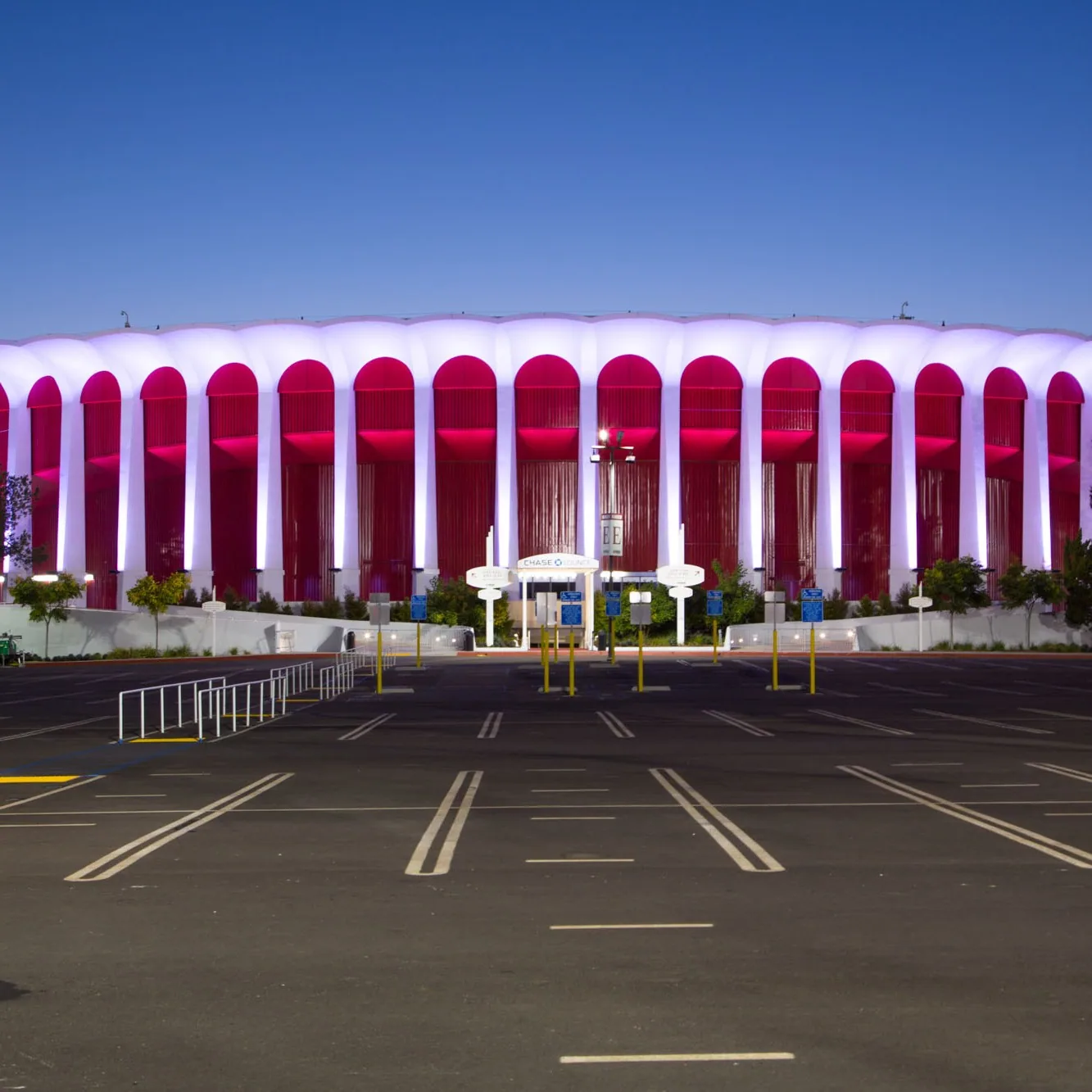
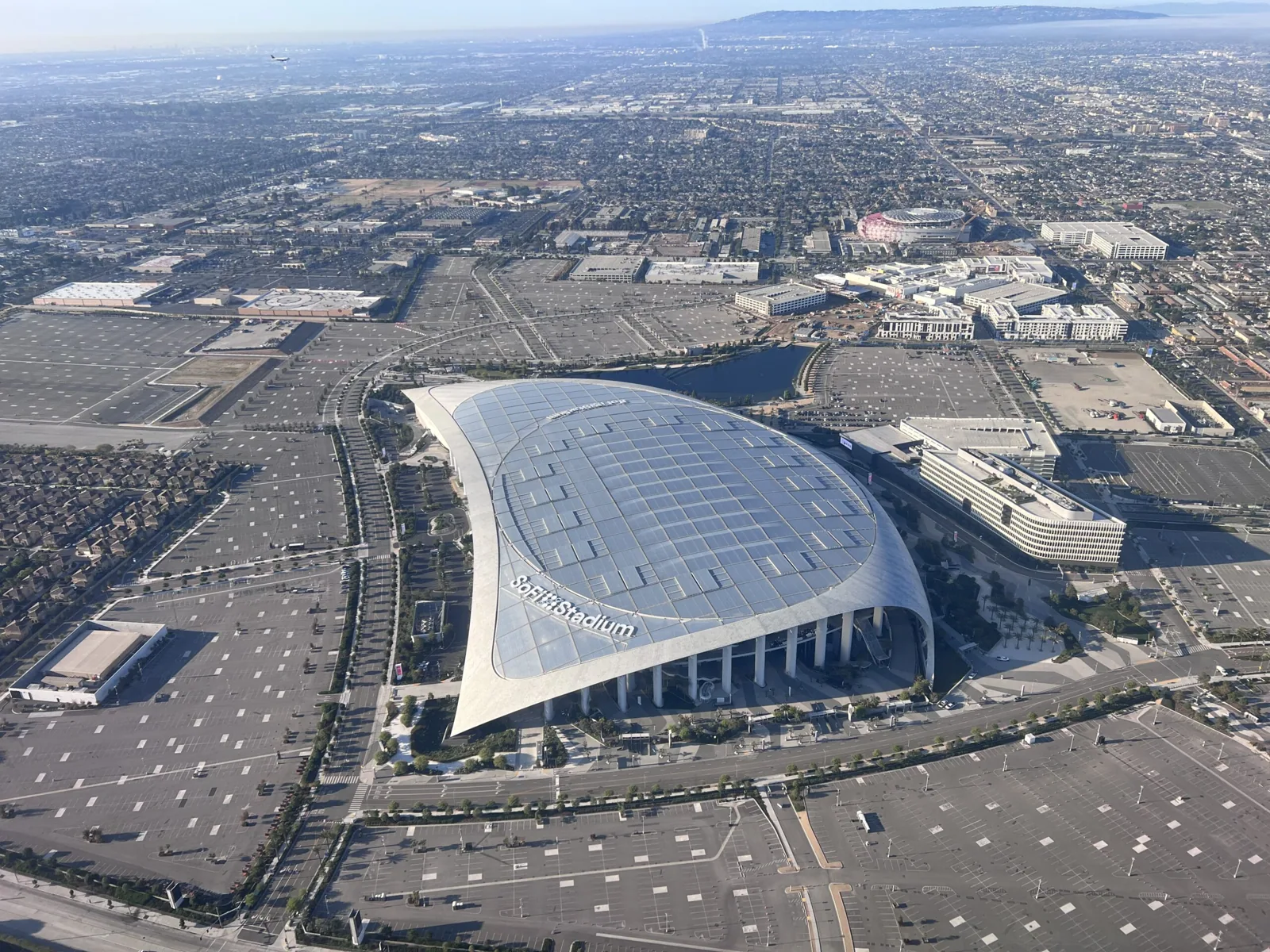
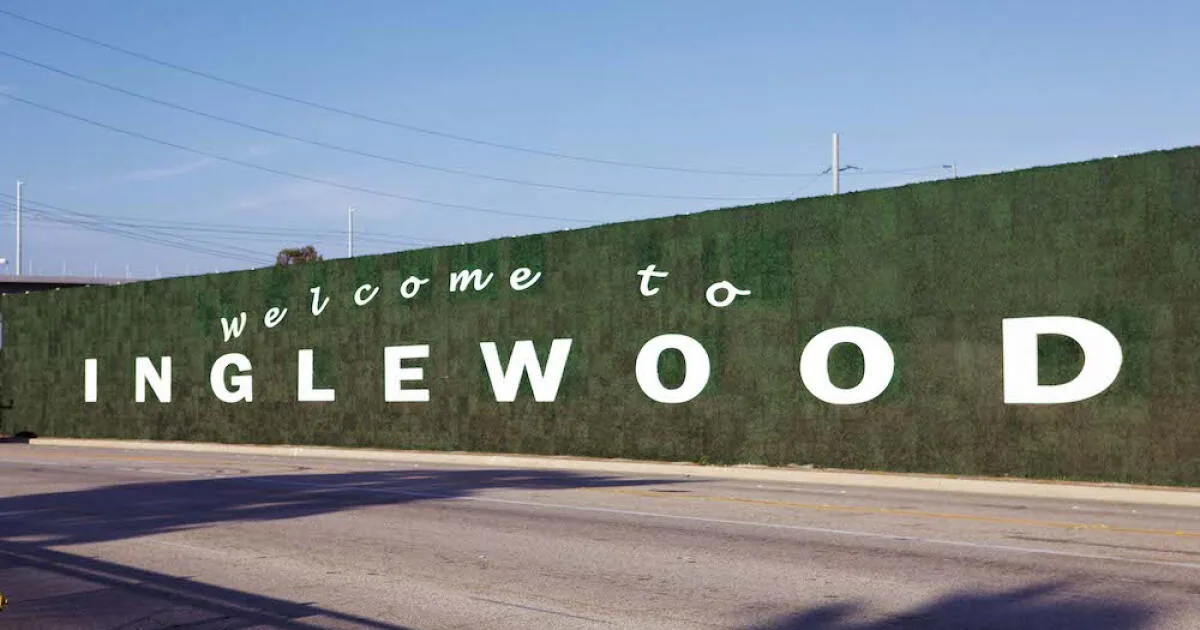
At a property in the Inglewood International Business Park, the claim file should identify the roof address, assembly, reported leak location, and contact who can confirm access before an inspection. In the Downtown Inglewood Transit-Oriented District, we confirm the building address, roof access, and assembly before setting a visit.
Separate the repair from the open question
A puncture, split seam, displaced edge, or failed flashing can have a defined repair boundary. Moisture that continues beyond the visible opening may call for a survey or test cut before full quantities are known. We state which work is supported by the inspection and what further step would confirm a broader area. A storm damage repair scope can identify the observed detail and immediate protection without presenting an unverified area as damaged.
At LAX, measurable rain is concentrated from late October through early April. If an opening is active during rain, the first step may be temporary protection followed by a permanent repair when conditions allow. We note the roof material, the affected transition, and any interior symptom supplied by the owner. Where moisture below the surface remains uncertain, an infrared survey can direct selective verification, but the chosen test opening and result should be recorded separately from the visible roof condition.
Build a useful photo record
One close-up cannot show where a defect sits on the building. We take an overview, a location view, and detail photos that identify the seam, drain, curb, or edge at issue. We number the images by roof zone and carry that same label into the scope and closeout. Captions carry the date and roof area, while the written finding describes the condition and repair boundary. If interior photos are available, we label them as reported conditions and compare their location with the roof path. The condition report preserves those observations for review and later comparison.
Documentation should make the next question easier to answer. For a claim timeline, we distinguish the first reported leak, temporary protection, inspection, and permanent repair so each record remains tied to its date and roof area. If a test cut reveals wet insulation, we show the opening, affected material, and limits of what was removed. If the inspection finds a failed flashing but dry material around it, we say that is what was visible at the time. We do not infer hidden damage from a ceiling stain alone. The owner can share the same dated record with the adjuster, restoration contractor, and building manager without changing the description for each audience.
Explain the proposed roofing work
A repair estimate should list the location, labor scope, material system, access needs, temporary protection, and any condition that could change after opening. We describe whether the work is a local patch, a broader membrane repair, restoration, or replacement analysis. Cost drivers may include wet insulation, deck work, edge metal, equipment removal, disposal, and protection below. The claim documentation service can organize roof photos and repair findings for the owner's review and discussion with the carrier.
If the repair becomes a permitted alteration, the owner and design lead should check the current City review steps and state code provisions for the filing date. Inglewood processes plan review and inspections locally. Our estimate records the roofing scope and identifies the approval point before a construction date is set. We identify the roofing work and its assumptions. Coverage, causation, and payment decisions remain with the insurer and policyholder.
Coordinate the repair on an occupied site
Restoration work may take place while a tenant, staff, or customers remain in the building. We confirm roof access, interior protection, noisy work periods, staging, and the contact who can approve a field change. If emergency protection precedes permanent work, the record identifies what was installed and which follow-up remains. An occupied-building work plan can coordinate the roof zone with the building's operating hours.
When a general contractor or restoration company manages the overall project, we agree on who receives the roof record, who coordinates other trades at penetrations, and when inspection photos are due. A GC coordination review can align the roofing scope with access and closeout. A property manager can carry the dated photos and tenant notes through a managed-building handoff. In every case, the roof evidence remains tied to the correct address and observed condition.
Related Roofing Work