
Protect rooms and shared spaces
A leak above a guest room, lobby, restaurant, meeting room, or service corridor needs an operating plan as well as a roof repair. We ask which space is affected, whether bookings can be moved, and when staff can provide access. The roof inspection checks the reported zone and adjacent transitions for an open seam, failed flashing, drain issue, or moisture evidence. If a temporary closure is needed, the scope identifies the area and the work milestone for returning it to service.
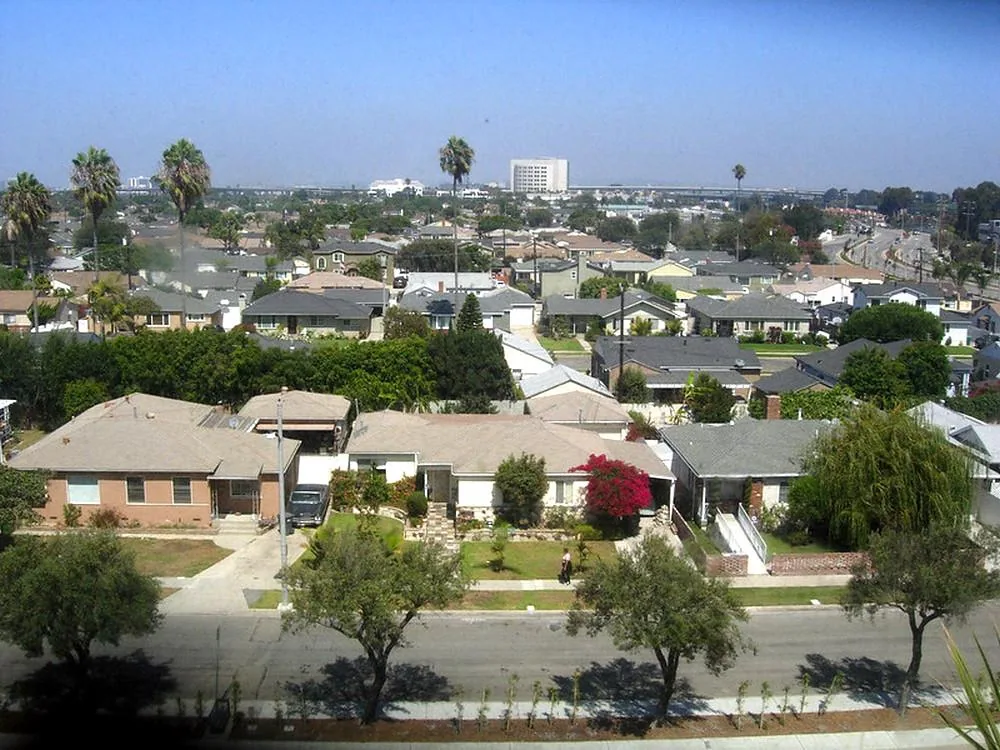
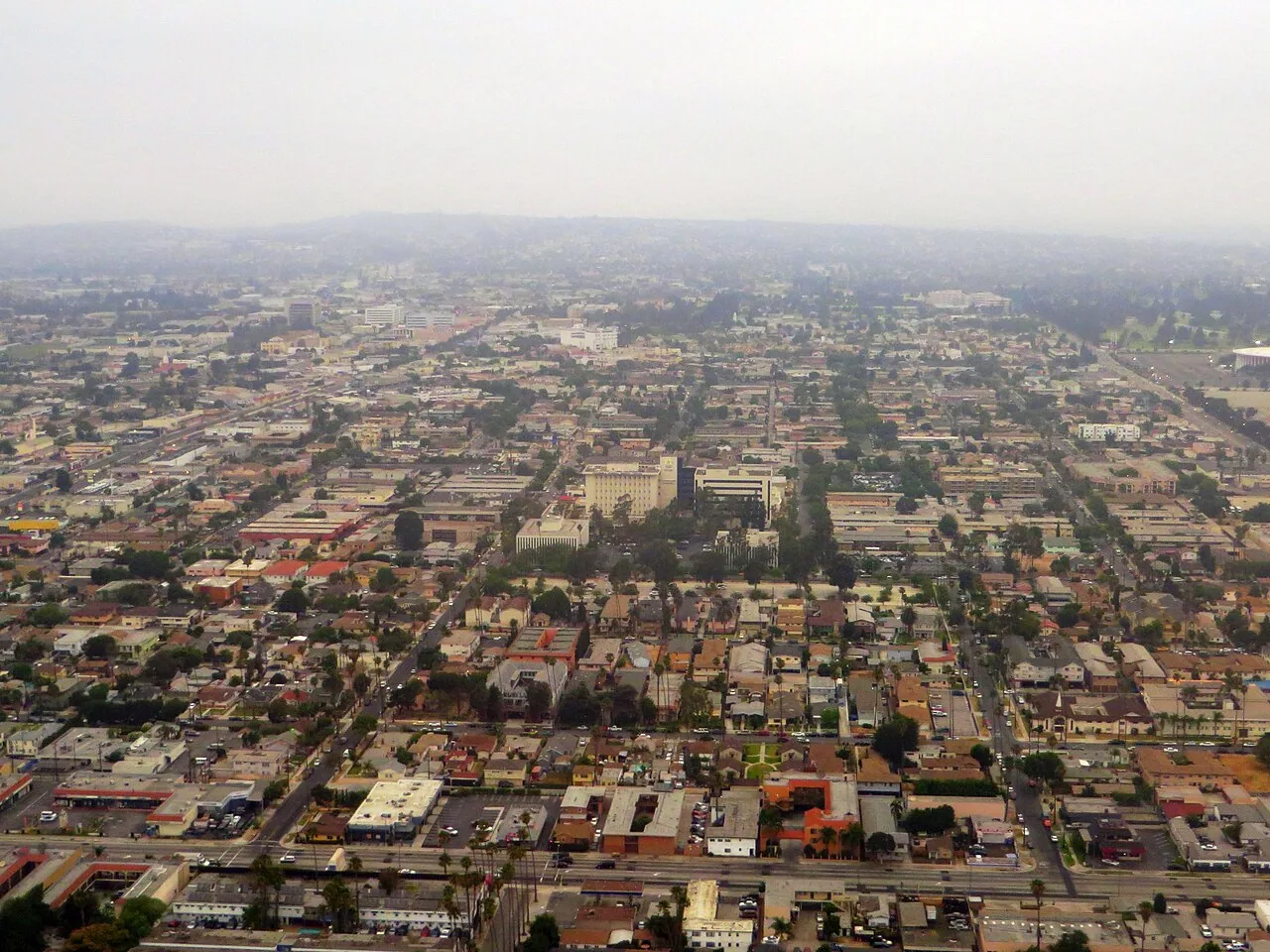
Century Boulevard is a local commercial corridor that reaches LAX. A Century Boulevard site review can help orient a regional visit, while the property team confirms its own guest entrance and receiving rules. Inglewood recorded $333.911 million in accommodation and food-services sales in 2022. That citywide measure provides economic context, not a count of hotels or a description of any roof. We confirm the property's own operating calendar and service entrance. A hotel roof assessment can include guest-area protection, kitchen exhaust, mechanical routes, and roof access in one building-specific record.
Trace the entry point
Water may travel along a deck or insulation before showing inside a room. We inspect the membrane field, seams, pipe boots, equipment curbs, parapet edges, and drains around the reported area. A clear opening can support a targeted repair. If the moisture pattern extends past that detail, we identify where an opening or survey could establish the extent. The leak repair plan defines the repair boundary and marks conditions that could expand the scope.
In Inglewood's coastal-plain climate, measurable rain is more frequent from late October into early April than in midsummer. Before that period, we check drain bowls, scuppers, and visible flow paths on the actual roof. A dry day can expose debris or separated joints, though it cannot demonstrate performance during a storm. A moisture survey may help select a verification area if interior symptoms suggest wet insulation. The written finding explains what has been confirmed and what still needs testing before a larger recommendation is made.
Work around hotel equipment
Kitchen exhaust, cooling equipment, plumbing vents, and antenna supports bring repeated transitions through a hotel roof. We photograph each relevant curb and flashing, note service clearances, and coordinate with engineering staff if another trade will touch the area. A roofing repair should close the water path while leaving the equipment safe to operate and service. If a unit shutdown is needed, the engineering contact sets the window before the membrane is opened.
The curb and penetration review can record visible flashing and attachment details. At the perimeter, edge metal and gutters need their own check where joints move or discharge is restricted. A roof-edge inspection identifies those transitions without treating every wet room as a perimeter leak. The hotel can use the photos to coordinate roofing with HVAC, kitchen, and building-maintenance work.
Set work between arrivals
Hotel work windows follow occupancy, check-in, conferences, dining periods, and deliveries. We gather those constraints before choosing which roof zone to open. The plan states material staging, noisy work, temporary protection, expected daily dry-in, and the staff contact for changes. A small repair may fit between lower-demand hours; a reroof may need a floor-by-floor or wing-by-wing sequence. An occupied-hotel work sequence gives the operator a practical view of those stages.
TechTown and Beach Avenue are districts within the broader Downtown Inglewood area. Those locations help orient the market but do not establish a hotel's address or current use. We verify the parcel and its access route. A hospitality group with several properties can schedule compatible visits together, while keeping guest calendars and roof records separate at each address. The property manager can provide room-block dates and equipment restrictions before we confirm the work window.
Choose the right level of work
A failed flashing at one curb may need a local repair. Repeated seam splits, wide moisture evidence, or an assembly that cannot support the remaining operating plan may justify restoration or replacement review. We compare the visible condition and explain cost drivers such as insulation, deck repair, equipment handling, edge details, disposal, and protection below. A replacement assessment can show the likely sequence and the conditions that would change it after opening.
A hotel portfolio can carry one record per address through a property management handoff. Ownership teams can review larger timing and reserves with a capital planning record. Before a hotel publishes a closure notice, its project lead should confirm the permit and energy-review steps for the proposed scope. The state code cycle changed in 2026, and the application date can affect which requirements apply. We keep that checkpoint visible in the work calendar.
Related Roofing Work