Inspect the foam before the coating
SPF can create a lightweight, contoured layer over a prepared roof, but the foam must bond to the substrate and remain protected from exposure. We look for cracks, gouges, soft spots, exposed cells, blistered coating, and areas where water has entered. A small damaged area may be rebuilt after the source is corrected. Widespread debonding or wet substrate changes the repair boundary. We distinguish foam deterioration from coating wear because each calls for a different material and preparation.
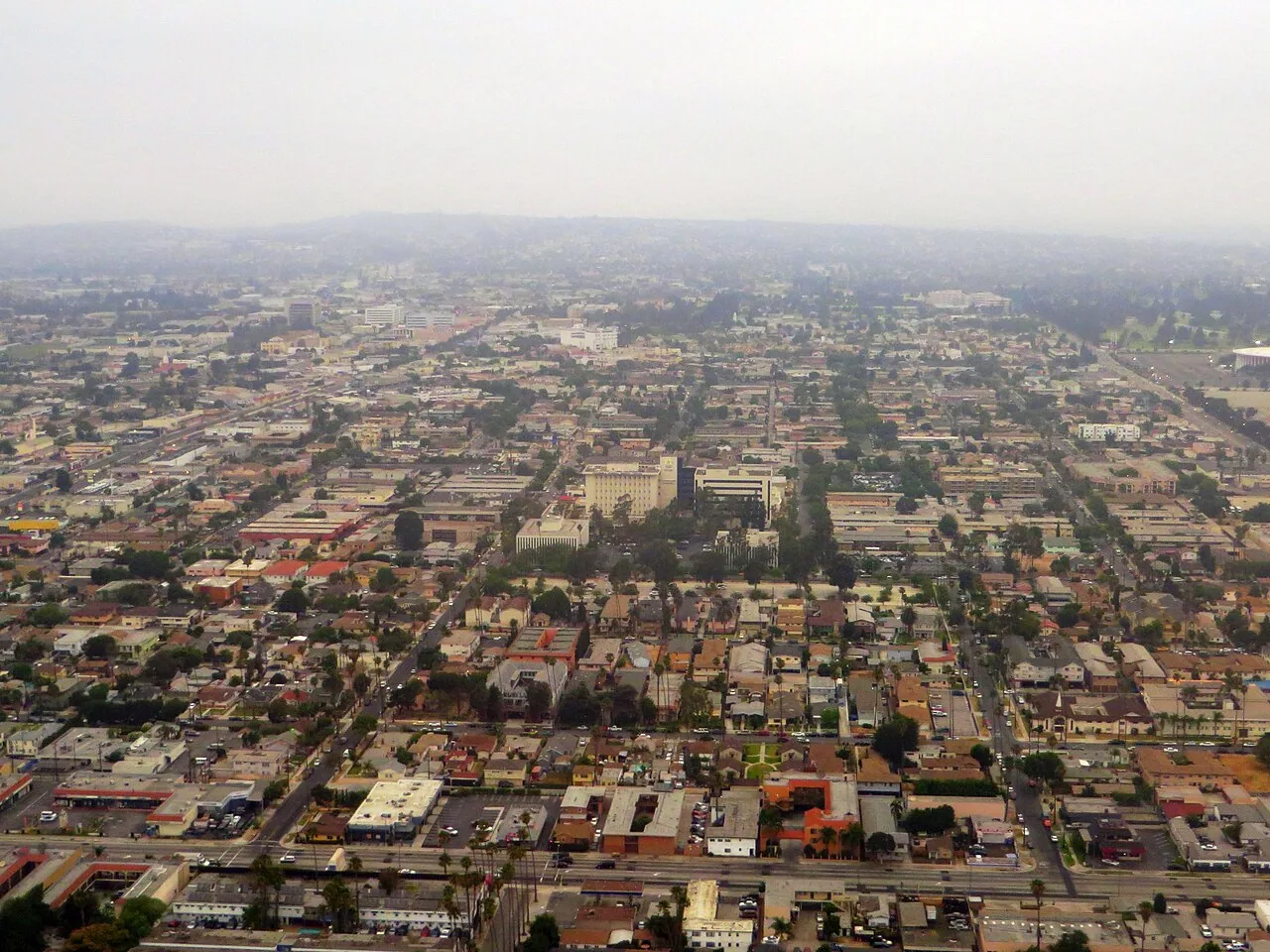
Inglewood's General Plan maps commercial, industrial, public, and mixed-use categories. We confirm the roof type and access conditions at the property before setting work. A roof inspection record can show where coating has thinned and where a test may be needed. If an existing membrane is below the foam, the EPDM assembly must be considered when checking adhesion and moisture.
Restore the weathering surface
The protective coating limits weather exposure and must cover the foam continuously at the specified thickness and detail locations. We check for worn paths, pinholes, cracking, poor adhesion, and coating that has pulled away at vertical transitions. Before recoating, the surface needs cleaning and repairs to the foam and flashings. Applying new material over loose coating can leave the weak layer underneath. We test adhesion where the existing coating history or substrate is uncertain and repair damage before covering it.
At LAX, spring and summer daily temperature ranges are usually below 15°F, while cloud and moisture can vary over short distances. Before spraying or coating, we check the roof surface and the product’s application requirements. A silicone coating may suit some SPF surfaces, while an acrylic coating has different water and application considerations. The selected product must match the existing foam and drainage.
Correct the water path first
Foam can be shaped to guide water, but coating does not correct an outlet that is blocked or a roof that has settled. We check slope, low spots, scuppers, drain bowls, and transitions where the foam meets a curb or wall. Repeated ponding can point to a substrate or drainage problem that needs separate correction. We trace water staining inside against roof features and inspect the foam around each likely entry. The work plan shows which water path is addressed and which remains outside scope.
Near LAX, measurable rainfall is concentrated from late autumn through early spring, with summer often limited to traces. Before the wet season, we inspect the roof’s drain path and document standing water. If the outlet is part of the issue, drain and scupper work can precede new foam or coating. A persistent low spot requires a drainage or slope correction before the protective surface is renewed.
Match the repair to the damage
A gouge through the coating but not the foam may need surface preparation and a coating repair. A cut or soft area in the foam needs removal to sound material, dry substrate, and a rebuilt section before recoating. Cracks at a curb may require flashing work and reinforcement rather than foam alone. We cut back only as far as the damage requires, inspect each layer, and leave the repair edge tied to the existing assembly. The repair record notes material used and the area covered.
A broad SPF restoration can change more than the weathering surface, so we check the proposed alteration against Title 24 before work is priced. The 2025 California standards generally apply to permit filings from January 1, 2026, subject to local dates. We confirm the review with Inglewood Building Safety before pricing a broad restoration. For a roof that may need a full replacement instead, we compare the existing layer, insulation, and deck with a new assembly. On an occupied building, a phased work plan sets safe access and daily closure points. A property in Hawthorne requires the same direct review at its own site.
Control access during application
Spray foam work depends on substrate preparation, dry conditions, equipment setup, and protection of nearby surfaces. We mask sensitive equipment and openings, set ventilation and access limits, and apply foam in controlled passes. The coating follows only after the foam has cured and the surface is ready. We build flashing and penetration details with compatible materials and confirm that drains remain open. Weather and product cure requirements shape the daily work area, so open sections are limited and protected.
Roof access near Century Boulevard may involve loading constraints, while another Inglewood property has a different delivery and staging route. We confirm the actual path with the facility contact and keep workers away from occupied areas below where possible. A photo record shows preparation, foam repair, coating coverage, and completed transitions. If rooftop equipment requires isolation or temporary movement, curb and support coordination belongs in the schedule before application.
Related Roofing Work