
Start at the reported room
A ceiling mark starts the investigation, but it may sit away from the roof opening. Moisture can follow a deck flute, insulation joint, pipe, or framing before it reaches the room. We ask when the mark appeared and compare that account with seams, drain bowls, curb corners, fasteners, and edge metal. The walk should find a defect that explains the symptom and define its limits. A stain photo cannot show whether insulation is wet or whether a patch will hold.
We record the affected roof area before recommending work. A short split in otherwise sound membrane may call for a bounded commercial roof repair. Open transitions or moisture below the surface may require testing or a wider scope. We explain what can be corrected now and what evidence would support more work, so one interior mark does not become an unsupported replacement recommendation.
Follow water to its exit
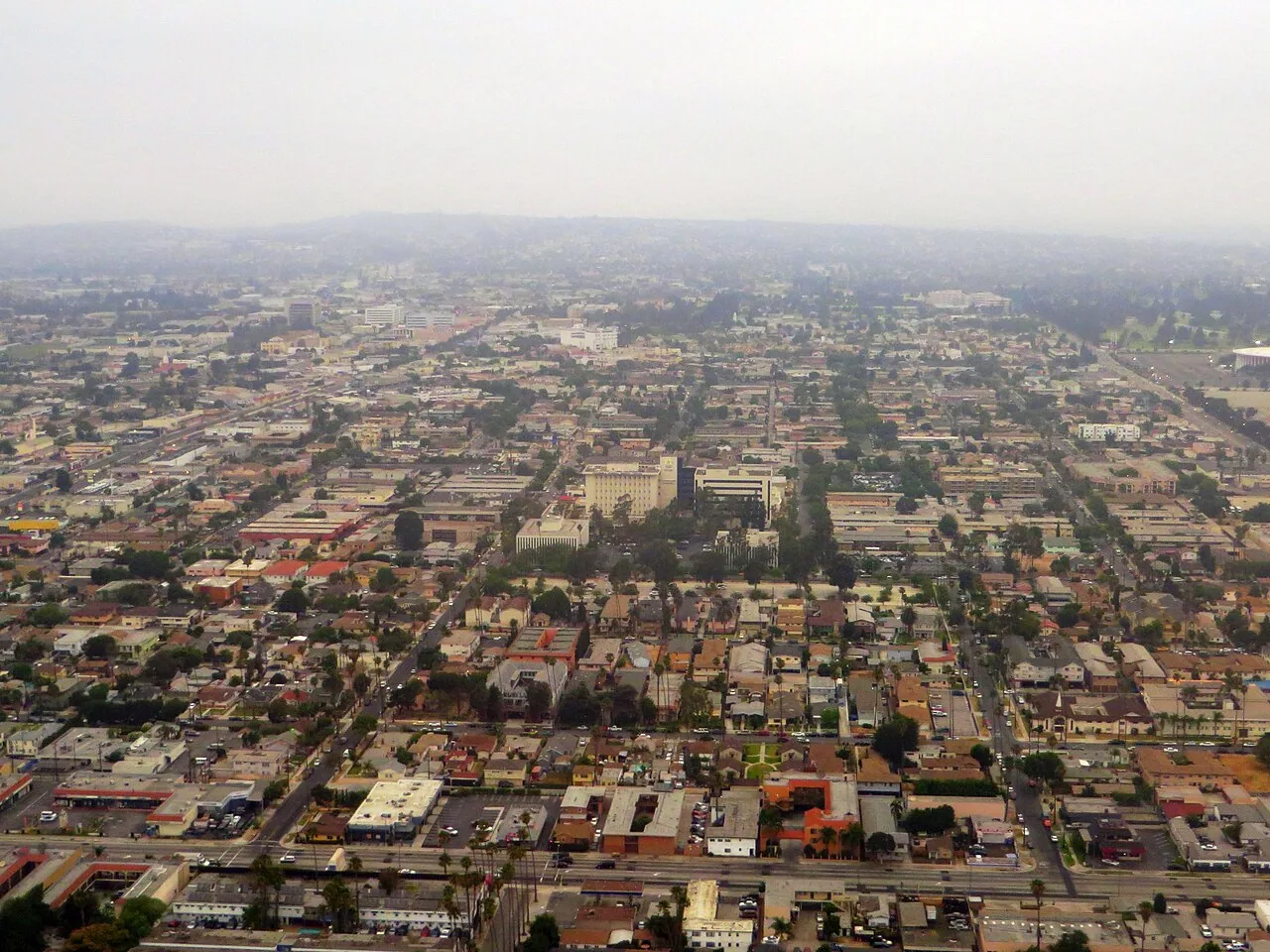
We inspect each drain bowl, membrane termination, nearby seam, and curb corner for obstruction or movement. Debris, loose flashing, and low areas can interrupt the path to an outlet. The nearby Los Angeles International Airport station records marine air, low cloud, mild coastal conditions, and winter rain. That regional pattern helps frame seasonal inspection timing; the roof, owner records, and observed water path set the scope in Compton.
When a drain or scupper is involved, we photograph the connection between the roof field and outlet before proposing work. A drain and scupper repair may address a blocked path, loose flashing, or a damaged termination. If the assembly needs broader work, we compare the existing condition with a compatible TPO system or another option. The roof condition sets that choice.
Set the scope before the crew arrives
A repair scope names the defect, material to remove, and tie-in point on sound roofing. We check the membrane, seam direction, flashing height, and nearby penetrations. A patch over loose or wet material may hide the symptom. If the surface does not reveal the assembly, we describe what a test cut or moisture survey would confirm. The owner receives photos, marked limits, and a choice between correction and further investigation.
Replacement is a separate decision. Before comparing recover with tear-off, we review the assembly, insulation, deck, drainage, edges, and rooftop equipment. The replacement scope should show why repair no longer fits. A warehouse roof plan may need coordination with receiving or equipment below, based on the site walk and owner information. Separate roof zones should not be collapsed into one broad recommendation.
Protect the work window
Before mobilization, we confirm roof access, staging, owner-supplied loading limits, restricted areas, and periods to avoid. We coordinate open-flame limits, odor-sensitive areas, and noisy work with the facility contact. If urgent protection precedes a permanent repair, we keep the temporary work distinct and state its limits.
Adhesives, fasteners, welding, and coatings each have surface and weather requirements. We will not coat a damp roof or install outside product conditions. A recover also depends on the existing layers, insulation, and drainage. The work sequence should set the area, access plan, and stage contact while keeping tenant operations in view.
Keep the evidence usable
A roof report should let another manager understand the condition without repeating the walk. We photograph the leak area, transitions, drains, seams, penetrations, and visible deterioration. Each image gets a location and note. We separate confirmed defects from areas that need testing or monitoring. The condition report records repair limits and the next decision.
On a multi-building property, we keep zones tied to their own access point and owner label. A portfolio that also includes roofs in Lynwood and Carson needs separate records; one building’s condition does not diagnose another. The owner can compare each roof at the next inspection. Drone or infrared surveys can flag areas for review, while a roof walk confirms the defect. We can also organize photos and scope notes for an insurance file; the insurer decides coverage.
Related Roofing Work