Trace the drip without guessing
We begin with the reported aisle or room, when the water appeared, and whether it followed rain or refrigeration service. The nearest ceiling mark is a clue, not proof of the entry point. Above it, we check seams, drain bowls, equipment curbs, wall edges, and penetrations. Water may move across insulation or deck before reaching the interior, so the inspection follows the path rather than sealing the first nearby joint.
Refrigeration and ventilation equipment create roof details that need compatible flashing and room for future service. We look for cracked sealant, loose metal, open seams, disturbed membrane, or signs of repeated foot traffic. If insulation may be wet, we explain whether a moisture survey or small test opening would resolve the question. The store receives a photo record with roof zones and the condition that supports each recommendation.
For a defined opening, commercial leak repair can address the point of entry. If several details are involved, a broader roof inspection can map the affected area and establish what should be monitored. We note the limit of the visible inspection and the next test when hidden layers could change the work.
Protect drains and cold-room transitions
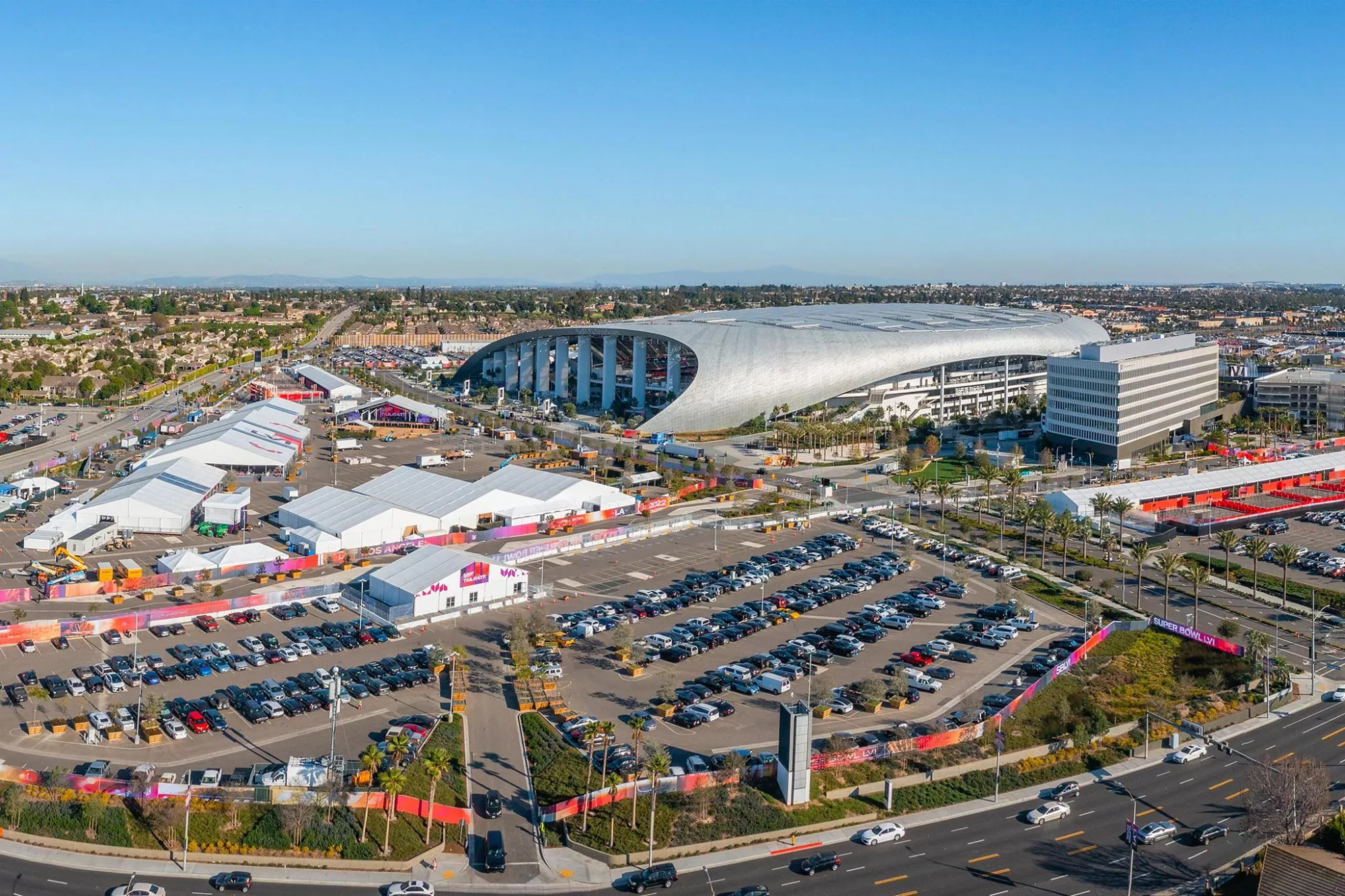
Inglewood's coastal plain has marine air, low cloud, and mild conditions that can vary over short distances. Those regional conditions do not forecast how a grocery roof will perform. Rain is more frequent in the cooler part of the year. That makes drain paths and perimeter details worth reviewing before the wetter months.
We inspect strainers, drain bowls, overflow routes, scuppers, and low spots near equipment. A partly blocked outlet can hold water close to a seam or curb. At walls and cooler-related penetrations, we check the membrane termination, flashing corners, and metal joints. We also compare the reported interior spot with roof features, since water can travel before it reaches a ceiling.
When an outlet is involved, drain and scupper service may be part of the repair. The existing assembly determines material choices. We identify the membrane and flashing before selecting a patch or coating. TPO roofing and other single-ply systems have seams and details that require compatible materials and workmanship. No coating can correct saturated insulation or a failed substrate, so those conditions are checked first.
Schedule around receiving and food service
Grocery operations have delivery windows, customer traffic, refrigeration service, and food preparation to protect. The store contact identifies the routes that must stay open and any time that a brief restriction is possible. We coordinate roof access, lifts, material staging, and debris movement before starting. If work is above a stocked or temperature-controlled area, the phasing plan identifies the zone and the steps for temporary protection.
A reroof can be separated into sections to reduce the size of the roof opened at one time. Each daily phase has a stopping line and weather closure. If a test opening reveals wet insulation or damaged deck, we protect the opening and review the added area before continuing. The store can then decide whether to keep the existing sequence, change a work window, or extend the scope after seeing the condition.
Inglewood includes commercial and mixed-use areas alongside public, industrial, and residential places. Century Boulevard is a commercial corridor, and Downtown Inglewood includes several districts; the address confirms whether a store sits within either area. We confirm the property and access conditions before planning the work.
Choose the right size of intervention
A repair is appropriate when the defect is limited, surrounding materials are sound, and water has not spread into a larger roof area. Repeated leaks, multiple open seams, saturated insulation, or deteriorated edge metal can call for more than a patch. We label observed defects separately from unconfirmed moisture, then explain what a test opening would add to the decision.
A recover may be evaluated if the existing roof is dry enough, attached, and compatible with another layer. If wet insulation or deck damage is confirmed, removal may be needed to restore a dependable base. Cost and schedule reflect removal depth, insulation, penetrations, rooftop equipment, edge details, disposal, staging, and the need to keep store operations available. Our replacement planning compares field findings with the store calendar. If material and assembly conditions support it, a recover review can be considered before a tear-off scope is set.
Before the roof specification closes, management should verify the permit path with the City’s Building Safety office. California’s new standards apply according to filing date and the work being proposed. We check that transition against this scope instead of carrying assumptions from a prior repair forward.
Make follow-up checks repeatable
We record the building, roof zones, drain locations, curbs, and affected areas so the next visit can return to the same details. Photos show the condition and repair boundary. The report notes whether a seam was repaired, a drain cleared, or an area needs a test opening. Store maintenance staff can compare a new report with the prior record instead of searching the entire roof after each interior complaint. A separate El Segundo grocery roof needs its own condition and access review.
Drone imagery can help orient a large roof, and infrared surveying may indicate where further checks belong. Neither determines every hidden layer or substitutes for a hands-on review of the actual assembly. We state the limits and the next useful step. In Hawthorne, the service plan starts with a store’s access and operating constraints. We also review restaurant roofs and shopping center roofs, where food service or tenant circulation changes the work sequence.
Related Roofing Work