
Follow the water above the room
A stain near a stage, classroom, or office is a report, not a roof diagnosis. We compare its location with seams, drains, scuppers, wall edges, rooftop equipment, and any change between a low-slope area and a sloped roof. Water may travel under a membrane before appearing indoors. We look for a lifted lap, split flashing, a loose edge, or a drain bowl that holds debris. Photos connect the interior report to the roof details we examined, so the repair does not stop at the easiest visible mark.
Worship schedules make the work window part of the repair. A crew moving tools above a sanctuary during a service can create noise and access conflicts. The building contact can identify weekday programs, gatherings, kitchen use, and the route that must stay clear. We agree on when roof access begins and which door or hallway remains open. If the work requires a temporary opening, we explain the closure sequence before the crew starts. A commercial roof inspection can document conditions across separate wings before a larger scope is scheduled.
Check where roof sections meet
Older worship properties may have additions that meet the original building at different heights. The joint between those sections deserves close attention. We inspect wall flashing, counterflashing, metal edges, valleys, and the membrane termination where a newer low-slope roof meets another surface. A sealant bead can hide a loose or poorly supported transition. We check the metal and membrane as a connected detail, then show where movement or water entry begins. If a repair needs new edge metal or compatible flashing, we describe that work separately from a field patch.
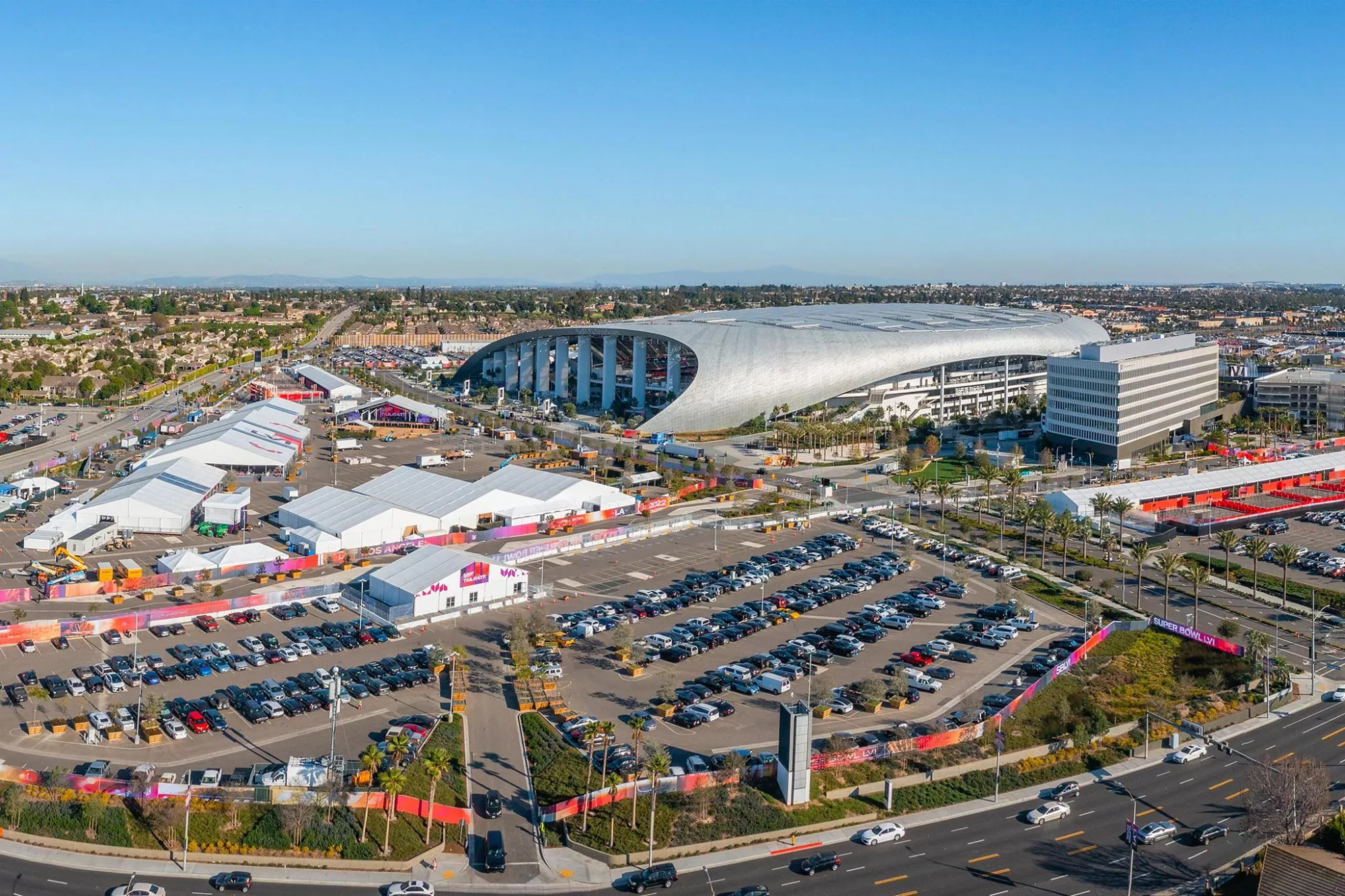
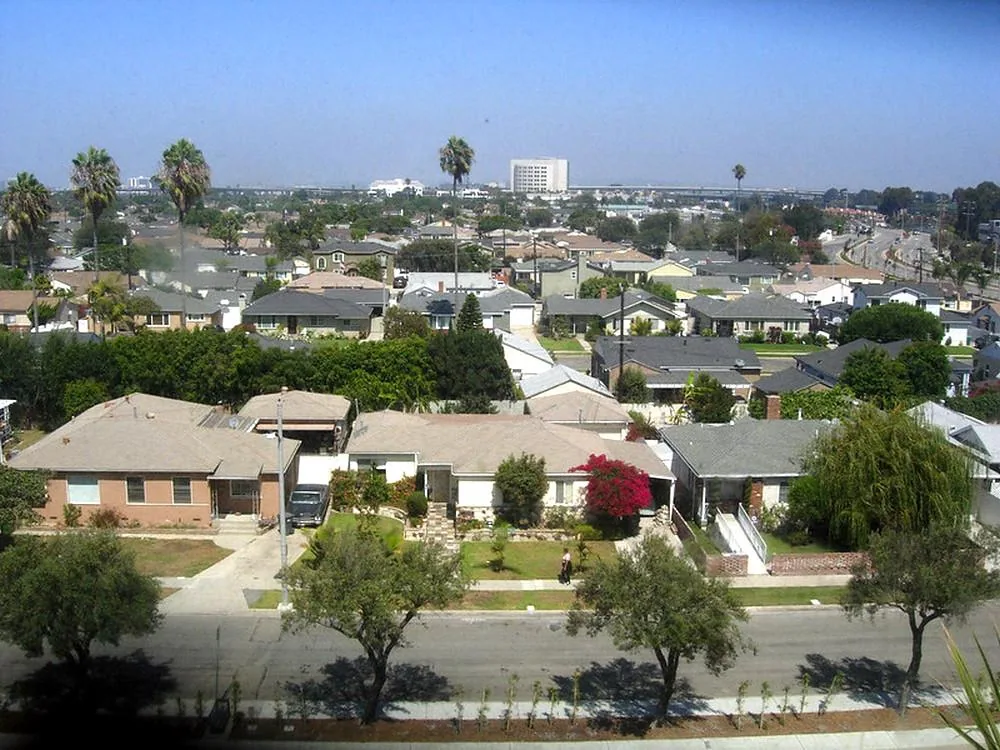
Inglewood's General Plan map shows public and semi-public uses alongside residential, medical, commercial, and mixed-use areas. It also labels routes such as Century Boulevard and Crenshaw Boulevard. The street and land-use context helps us plan arrival; on site, we identify the church’s roof assembly and entry route. At a campus with classrooms and a sanctuary, the work sequence may differ from the approach for a school building roof or a medical property, because the room use, access, and schedule set different limits.
Choose a repair that fits the assembly
A compatible repair starts with identifying the existing system and the condition around the failure. We check whether the membrane is sound, brittle, wet, or covered by earlier patches. TPO, PVC, EPDM, modified bitumen, and built-up roofs require different preparation and repair materials. A patch over damp insulation can trap a condition rather than resolve it. We mark what can be repaired locally and where more investigation is needed. If the roof has repeated failures or widespread moisture, a recover or replacement estimate may be more useful than another isolated repair.
Coatings are not a shortcut for every roof. The surface must be suitable, and the drains, seams, and flashing still need attention. We explain preparation, reinforcement, and closure details before recommending a restoration. If the assembly is TPO, we inspect the seams and transitions that make the system weather-tight, then coordinate the repair with that material. Our TPO roofing work follows the roof's actual condition. When a storm opens the roof unexpectedly, emergency roof repair can address active entry while the permanent scope is defined.
Keep gatherings and roof work apart
Before staging materials, we confirm roof access, interior protection, and the areas used by staff or visitors. If a classroom or kitchen sits below the work zone, we discuss dust, noise, and any ceiling tile or finish that must be protected. The building contact can identify deliveries, scheduled services, and rooms that cannot be blocked. We sequence noisy work in a practical window and keep the access route separate from congregation movement where possible. Rain can change the order, so we explain how an open section will be closed before leaving the roof.
The nearby LAX station describes marine air, low cloud, and a cooler-season rain pattern on the coastal plain. Before the wet months, we check the church roof’s drains, seams, and edges, then set the repair boundary from visible conditions. A drainage and ponding review can distinguish a blocked bowl from a low area or a broader slope issue. For nearby Culver City properties, we confirm the building location and access route before setting the same kind of work window.
Leave a clear repair record
After the visit, the property contact should know what was inspected, what was repaired, and what remains. We provide photos of the affected detail and the repair boundary. If we could not open an area or verify a hidden condition, we identify that limit and the next inspection step. This record supports maintenance planning and helps staff compare a later leak report with the roof location. For buildings with several additions, we label the areas separately rather than calling every surface one roof system.
A reroof or alteration in Inglewood needs its permit path checked with Building Safety before the scope is scheduled. We coordinate that review and keep the property contact informed. When a church needs capital planning, a roof condition report can separate active repairs from work that needs a budget and schedule. The report can note access constraints and the best next inspection window. Our commercial roof repair can address a defined failure, while a wider condition calls for a separate comparison of repair, recover, coating, or replacement.
Related Roofing Work